


Straight hair and a burst fade are one of the sharpest combinations in modern barbering. The smooth, uniform texture of straight strands makes every curve of the fade visible, which is exactly why this cut has become a go to request in barbershops right now. If you want a haircut that looks clean on day one and still holds shape two weeks later, a burst fade built for straight hair delivers that balance.
This guide breaks down what a burst fade straight hair actually is, how the low, mid, and high versions differ, and 15 specific styles you can bring to your next appointment. You will also find barber talking points, a styling routine made for straight hair, a realistic maintenance schedule, and fixes for the mistakes that make a fade look messy instead of sharp.
What Is a Burst Fade for Straight Hair
A burst fade is a haircut where the hair tapers in a rounded, half moon shape around the ear instead of cutting straight down the side of the head. The fade “bursts” outward behind the ear, blending into the neckline while leaving the rest of the perimeter, especially at the back, a bit longer or untouched.
On straight hair, this burst fade straight hair shape reads more clearly than it does on curly or coily textures. Straight strands lie flat and smooth, so the transition from skin to short to longer hair shows up as a crisp, visible line rather than a blurred one. That clarity is the main reason barbers describe burst fades on straight hair as looking sharper and more architectural.
A few defining traits of this cut include:
- A curved fade line that wraps around the ear rather than running straight across the temple
- A gradual blend from skin or near skin length up into the top section
- A top length that can range from a short buzzed crop to longer flowing layers
- A back section that often stays slightly longer, giving the fade its rounded burst shape instead of a straight horizontal line
Because straight hair holds a shape without much natural volume, the top usually needs a bit of texture, whether from a scissor cut, a light perm, or the right styling product, so the silhouette does not look flat against the sharpness of the fade.
Low vs Mid vs High Burst Fade on Straight Hair
The height at which the fade begins changes the entire personality of the haircut. Choosing between low, mid, and high comes down to how much contrast you want between the sides and the top.
Low burst fade straight hair starts just above the ear and stays close to the hairline. It is the most subtle option, offering:
- A soft, natural transition that works well in professional settings
- An easier grow out period since less hair is removed
- A gentler look for first timers who are not ready for a dramatic fade
Mid burst fade straight hair begins around temple level, roughly midway up the side of the head. It delivers:
- A balanced contrast that suits nearly every face shape
- The most flexibility, pairing well with both short textured tops and longer styles
- A middle ground for people who want a noticeable fade without going extreme
High burst fade straight hair starts near the parietal ridge, closer to the crown area. It produces:
- Maximum contrast between the skin and the top length
- A bold, modern look that draws immediate attention
- The strongest option for anyone who wants the fade itself to be the focal point of the haircut
There is also a long burst fade, which is less about fade height and more about top length. It keeps the fade tight while letting the top grow out into flowing, layered, or curtain style hair, which we cover later in this list.
If you are unsure which one fits, ask your barber to evaluate your hairline, face shape, and how much daily styling time you actually want to spend. A low fade needs almost no upkeep between visits, while a high fade will need more frequent touch ups to stay crisp.
Read More : Blowout Low Taper Fade Curly Hair: 2026 Barber Guide For Curls
15 Burst Fade Straight Hair Styles
1. Low Burst Fade Straight Hair with Textured Crop
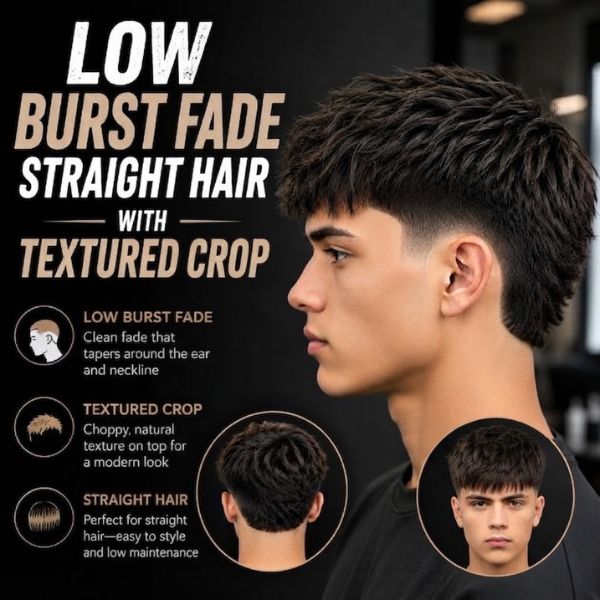
This style keeps the fade subtle while the top gets a short, choppy texture cut with scissors or a texturizing razor. It is a low maintenance option that still looks intentional, ideal for office settings or anyone easing into their first fade.
2. Mid Burst Fade Straight Hair with Textured Fringe
A mid height fade pairs with a longer fringe swept forward over the forehead. The texture in the fringe adds movement, breaking up the flatness that straight hair can sometimes have on top.
3. High Burst Fade Straight Hair with Messy Top
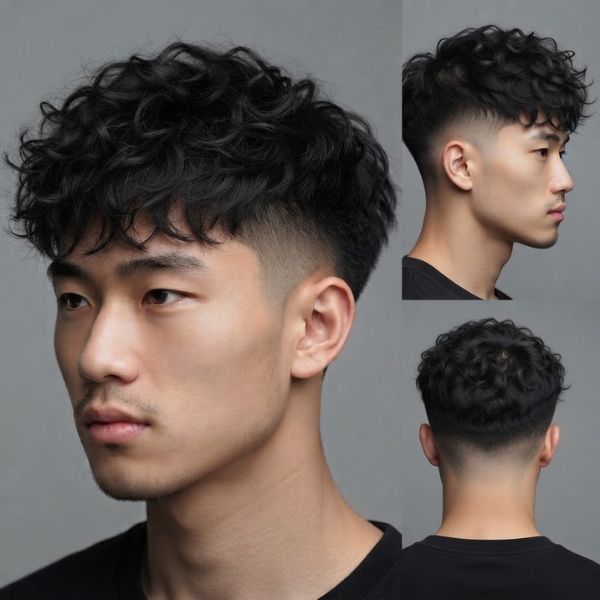
The dramatic contrast of a high fade meets a deliberately tousled top for a modern, undone finish. A matte clay or texture powder helps hold the messy shape without adding shine.
4. Low Burst Fade Straight Hair Short Buzz Top
A short, even buzz on top keeps this style ultra clean and practically maintenance free. The low fade blends gently, so there is barely any styling required each morning.
5. Mid Burst Fade Straight Hair Short Spiky Texture
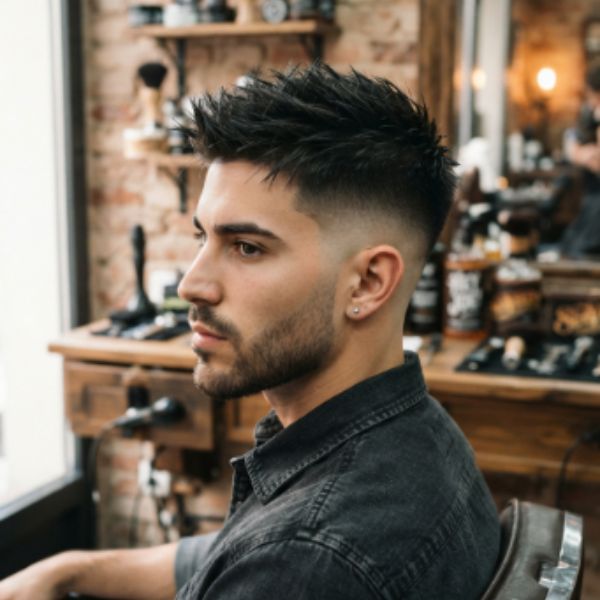
Short spikes styled upward with a strong hold pomade create a sharp, energetic look. The mid fade gives enough contrast to make the spikes stand out without overwhelming the face.
6. High Burst Fade Straight Hair Short Brush Up
Hair on top is brushed straight up and slightly forward, a style that works especially well on straight strands since they hold the upward direction cleanly. The high fade underneath sharpens the entire silhouette.
7. Mid Burst Fade Straight Hair Side Sweep
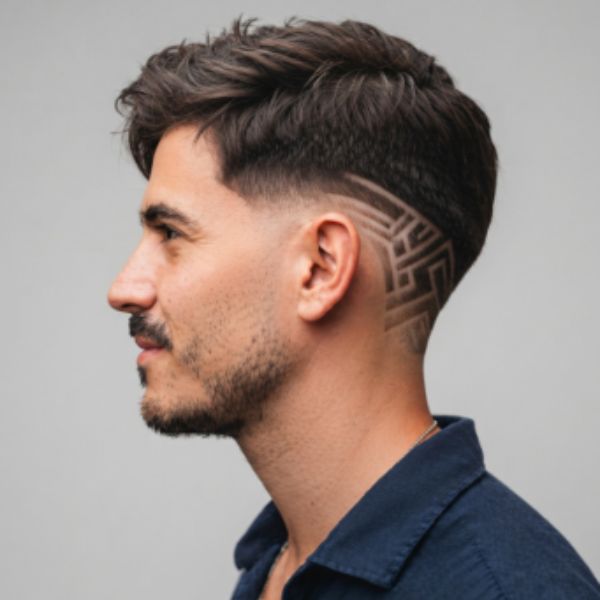
The top is grown out just enough to sweep across the forehead to one side. This is a versatile, semi formal option that transitions easily from casual to dressed up occasions.
8. Low Burst Fade Straight Hair Side Part
A crisp, defined side part combined with a low fade gives a classic, polished appearance. It is one of the more traditional takes on the burst fade family and suits formal environments.
9. Mid Burst Fade Straight Hair Slick Back
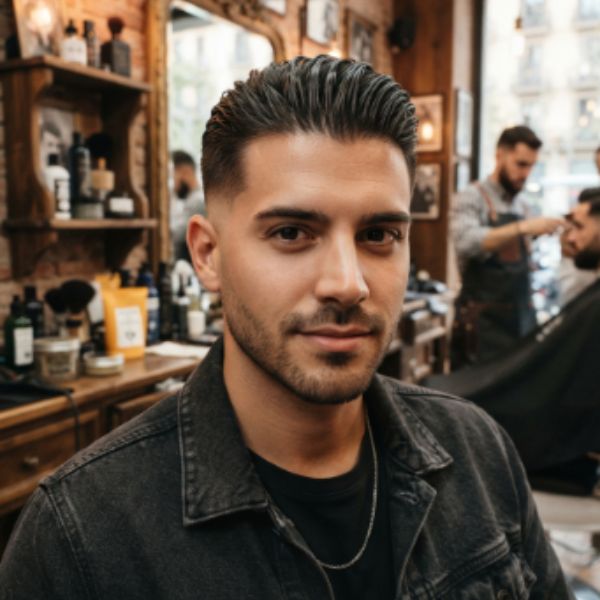
All the top hair is combed straight back using a pomade with medium shine. The mid fade adds just enough edge to keep the slick back from looking too conservative.
10. High Burst Fade Straight Hair Quiff
The quiff is lifted and pushed back at the front for height and volume, then paired with a high fade for maximum drama. This combination is popular for special occasions or anyone who wants a statement look.
11. Long Burst Fade Straight Hair Layered Top
The top is left long and cut into soft layers that add movement without bulk. The tight fade at the sides keeps the overall shape controlled despite the length on top.
12. Long Burst Fade Straight Hair Flow Back
Longer hair is styled to flow backward off the face, often using a light blow dry and a working cream. This look pairs surfer inspired length with the structure of a clean fade underneath.
13. Long Burst Fade Straight Hair Curtains

Curtains part in the center and fall on either side of the face, framing it with soft, straight strands. The burst fade at the sides keeps the style from looking shaggy or unfinished.
14. Mid Burst Fade Straight Hair with Mullet
A modern mullet keeps some length at the back while the sides get a clean mid burst fade. Straight hair helps the back length flow smoothly instead of curling or flipping out.
15. High Burst Fade Straight Hair with Mohawk
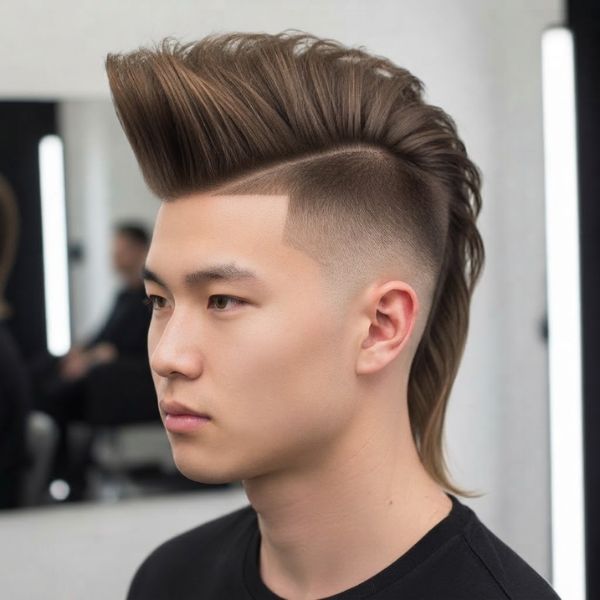
An edgier choice where the sides are cut close in a high fade and the center strip on top is left longer, often styled upward. This is one of the boldest styles on the list and works best for those comfortable with attention.
What to Tell Your Barber
Walking into a barbershop with clear, specific language gets you a far better result than a vague description. Here is what to communicate before the clippers start:
- Show a reference photo of the exact style, including the fade height and top length
- Specify low, mid, or high burst fade, and mention that you want the fade to curve around the ear rather than run straight down
- Ask for texture on top if your hair tends to sit flat, since straight hair often needs scissor work or a razor to avoid a helmet like appearance
- Mention your face shape if you know it, since a good barber will adjust fade height and top volume to balance your features
- Ask how the style will grow out, especially for mid and high fades, so you know what to expect between appointments
Bringing up maintenance expectations during the consultation also helps. A barber can tell you upfront whether your chosen style needs a touch up every two weeks or can stretch closer to a month.
How to Style Straight Hair So the Burst Fade Pops
Straight hair is smooth and reflects light easily, which is an advantage, but it can also fall flat without the right product and technique. Follow this basic routine to keep the top looking full and the fade looking crisp:
- Start with slightly damp hair, either fresh from a shower or lightly misted with water
- Apply a small amount of texture powder, matte clay, or a light pomade depending on the finish you want, working it evenly through the roots first
- Use a blow dryer on a low or medium setting to lift the roots while brushing or combing the top in the direction you want it to sit
- Shape the top using your fingers or a comb, whether that means pushing it back, sweeping it to one side, or leaving it deliberately textured
- Finish with a light hold spray if you need the style to last through a long day, especially for quiffs or brushed up looks
For low maintenance styles like the buzz top or textured crop, a small amount of product rubbed between the palms and pressed into the hair is usually enough.
Maintenance Schedule
How often you need a trim depends heavily on the fade height you chose. Use this general timeline as a starting point, and adjust based on how fast your hair grows.
- Low burst fade: Every 3 to 4 weeks, since the fade line sits close to the hairline and grows out gradually
- Mid burst fade: Every 2 to 3 weeks to keep the blend looking sharp and prevent the line from softening too much
- High burst fade: Every 1 to 2 weeks, as the higher contrast makes regrowth more noticeable, especially near the temples
- Long or layered top styles: Trim the top every 6 to 8 weeks while keeping the fade on the same schedule as its height category
Between visits, keep the hairline clean with a trimmer if you are comfortable doing light touch ups yourself, but leave the actual fade blending to your barber to avoid uneven lines.
Read More : 20 Modern High Burst Fade Haircuts for Men in 2026
Common Mistakes and Quick Fixes
Even a well cut burst fade can look off if a few small details are ignored. Here are the most frequent issues and how to correct them.
- Flat, lifeless top: This happens when straight hair is styled without any texture or lift. Fix it by asking for a textured cut on top and using a lightweight volumizing product rather than heavy pomade.
- Fade line looks patchy or uneven: Usually a sign of an inexperienced cut or too much time between trims. Book with an experienced barber and stick closer to the recommended maintenance schedule.
- Fade grows out awkwardly: High fades in particular can look messy around week two. Ask your barber about a gradual grow out plan or consider stepping down to a mid fade if you prefer longer stretches between visits.
- Too much product buildup: Overusing pomade or gel can weigh straight hair down and create a greasy look. Use a small, dime sized amount and add more only if needed.
- Fade does not match face shape: A high fade on a narrower face can look too severe, just as a low fade on a rounder face may not add enough contrast. Discuss face shape with your barber before committing to a fade height.
Frequently Asked Questions
Does a burst fade work well on straight hair?
Yes, straight hair actually shows off the curved fade line more clearly than curly or coily textures, which is why it is a popular pairing.
How often should I get a burst fade touched up?
Low fades typically need a trim every 3 to 4 weeks, mid fades every 2 to 3 weeks, and high fades every 1 to 2 weeks.
What products work best for styling a burst fade with straight hair?
Lightweight options like texture powder, matte clay, or a light pomade help add volume and texture without weighing straight hair down.
Can I grow out a burst fade into a longer style?
Yes, many people transition from a low or mid fade into longer top styles like curtains or layers while keeping the fade tight at the sides.
Is a burst fade the same as a regular skin fade?
No, a burst fade curves around the ear in a rounded shape, while a standard fade or skin fade typically runs in a straighter line down the side of the head.
Read More : Mid Fade Crew Cut Hairstyle: Sharp, Simple, Modern
Conclusion
A burst fade on straight hair gives you one of the sharpest, most adaptable haircuts available right now, whether you want something understated for the office or bold enough to turn heads. The key is matching the fade height to your face shape and lifestyle, keeping the top textured so it never falls flat, and sticking to a realistic maintenance schedule based on how high the fade sits. With 15 styles to choose from and clear talking points for your next barber visit, you have everything you need to walk out with a burst fade that looks clean, sharp, and completely intentional.

Zaria Rhodes is the lead editor and content curator at Lyrinexa, passionate about music, storytelling, and lyrical expression. With a deep love for discovering the meaning behind songs, she brings clarity, creativity, and accuracy to every post. Zaria is dedicated to providing readers with authentic lyrics, thoughtful interpretations, and a seamless music-exploration experience.

1 thought on “Burst Fade Straight Hair: 15 Trendy Styles That Look Sharp”