


The modren mullet is no longer a throwback joke. In 2026, it’s one of the most requested cuts in barbershops around the world, and it looks nothing like the version your uncle wore in 1987. Today’s modern mullet trades harsh, choppy edges for clean fades, soft blending, and deliberate texture, making it a genuinely flattering hairstyle rather than a nostalgia act.
If you’re curious about which modren mullet variation suits your hair type, face shape, and lifestyle, this guide breaks down 29 trending Modren mullet styles, explains how the cut has evolved, and shows you exactly how to style one at home.
Trending Types of Mullet Hairstyles (Modern Mullet)
Every modren mullet shares the same basic idea: shorter hair up front and on the sides, with length left at the back. What changes between styles is the fade, the texture, and how much attitude you want the cut to carry. Here are the versions dominating men’s hairstyle trends this year.
Long Mullet

This is the boldest take on the cut, pairing short, tapered sides with a back section left to grow well past the collar. It works best on men who already have some length to spare and want maximum contrast between the front and back.
Mullet Taper Fade
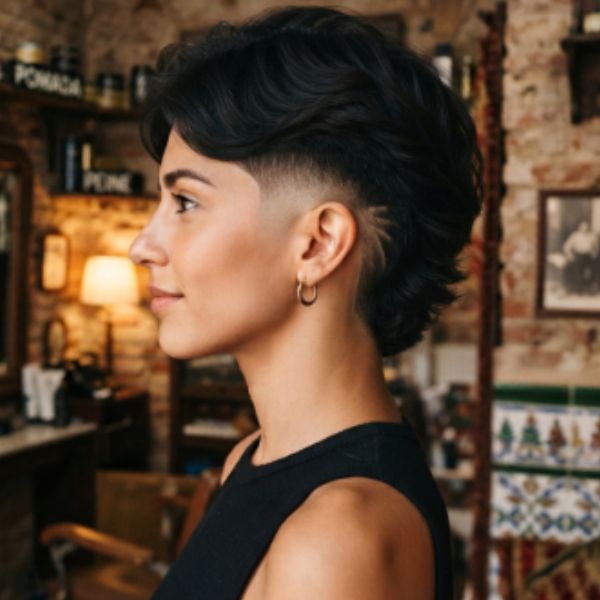
A taper fade keeps the sides gradually shorter without going skin tight, which gives the mullet a softer, more polished finish. It’s a low maintenance option that suits office environments while still keeping the length at the nape.
Mohawk Mullet

Combining a raised center strip with mullet length at the back, this style is one of the edgier variations on the list. The sides are usually shaved or faded tight to make the mohawk section and the flowing back stand out even more.
Short Mullet

For men who want the mullet silhouette without a dramatic length difference, the short mullet keeps everything close to the head except for a subtle tail at the nape. It’s an easy entry point if you’re trying the trend for the first time.
Read More : Medium Messy Mens Curly Hairstyles: 15 Easy Looks
Burst Fade Mullet
The burst fade curves around the ear instead of running in a straight line, which adds a rounded, sculpted look to the sides. Paired with mullet length at the back, it creates one of the most technically detailed cuts on this list.
Curly Mullet

Natural curls add volume and texture that a straight mullet simply can’t match without extra styling. This version leans into the curl pattern instead of fighting it, giving the back section a lived-in, voluminous shape.
Modren Mullet Fade
A broader category than the taper fade, this style can range from a low fade to a high skin fade on the sides, always finishing with longer, less structured hair at the back. It’s the most customizable version of the modern mullet.
Shaggy Mullet
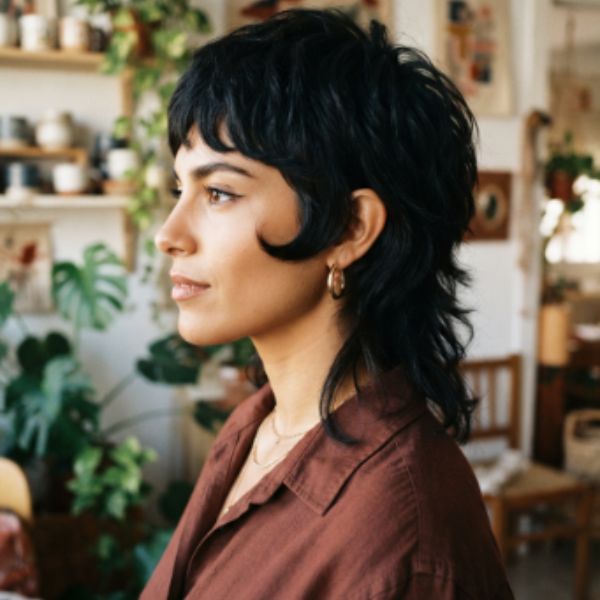
Loose layers throughout the top and back give this style a relaxed, effortless feel. It suits men who prefer minimal daily styling and like their hair to move naturally rather than sit in place.
Two Block Mullet
Borrowed from Korean hairstyling, the two block mullet pairs a clearly defined shorter section on the sides and back with noticeably longer hair on top and at the nape. The sharp line between the two lengths is the defining feature.
Trendy Short Mullet with Low Taper Fade
This combination keeps the sides subtle with a low taper while trimming the back to a shorter, more manageable length. It’s one of the most versatile modern mullet styles because it reads as a regular haircut from the front.
Mullet Faux Hawk
A faux hawk adds lift and shape through the center of the top section, then tapers into mullet length at the back. Styling cream or paste is essential here to hold the raised center in place through the day.
Temp Fade Mullet
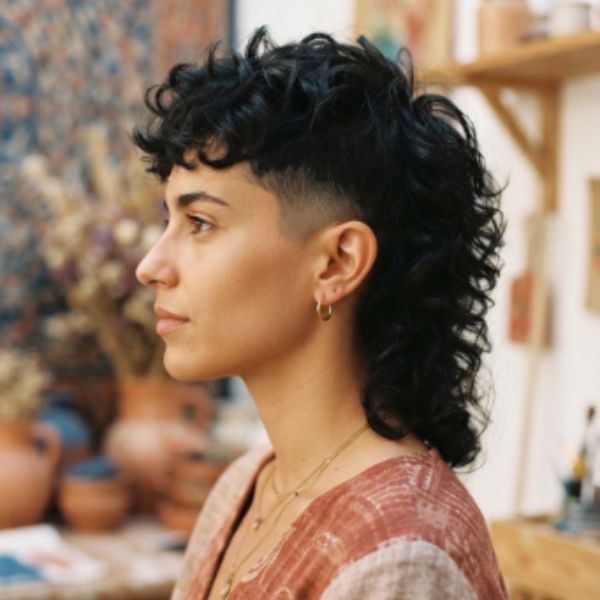
Also called a temple fade, this version fades the hair specifically around the temples and hairline while leaving the rest of the top and back longer. It’s a subtle detail that sharpens the overall shape of the cut.
Faded Mullet with Fringe
A fringe or forehead-skimming section at the front balances out the length left at the back. This style works particularly well for men with straight or slightly wavy hair who want a face-framing element.
Fluffy Mullet
Blow-dried for volume and finished with a lightweight texture product, the fluffy mullet emphasizes softness and lift rather than sharp lines. It photographs well and suits medium to thick hair densities.
Sexy, Modern Mullet From The Back
Viewed from behind, a well-cut modern mullet shows off layered, flowing strands that taper naturally rather than ending in a blunt line. This angle is often what barbers use to judge whether the blend between sections is working.
Messy Mullet with Texture

Deliberately undone and full of texture, this look is meant to appear effortless even though it takes a skilled cut to pull off. Minimal styling is required, and it suits nearly every hair type.
Edgy Mullet with Beard
Pairing the mullet with a full or stubbled beard adds structure to the face and balances the length at the back. This combination is popular among men who want a rugged, masculine aesthetic.
Classy Mullet

A cleaner, more refined take on the cut, the classy mullet uses tight fades and a neat back section to keep things professional. It proves the mullet can work in formal settings without losing its identity.
Quiff Mullet Fade
A lifted front section paired with a mullet at the back gives this style volume and structure in equal measure. It works for both casual and smart occasions and suits men who want lift without going too dramatic.
Permed Mullet Taper
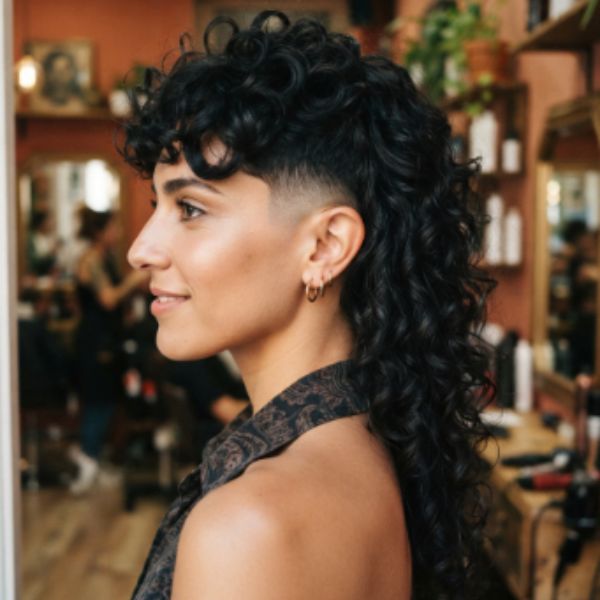
A perm adds curl and body to straight hair, which pairs especially well with a taper fade on the sides. This is one of the highest maintenance options, but it delivers volume that’s hard to achieve otherwise.
Medium Mullet
Sitting between the short and long variations, the medium mullet offers noticeable length at the back without requiring months of growth. It’s a practical middle ground for men easing into the trend.
Spiky Mullet
Styled with gel or wax for texture and hold, the spiky mullet adds sharp, piecey definition to the top section while keeping the mullet length behind. It leans into the rebellious energy the cut is known for.
Choppy Mullet Taper Fade
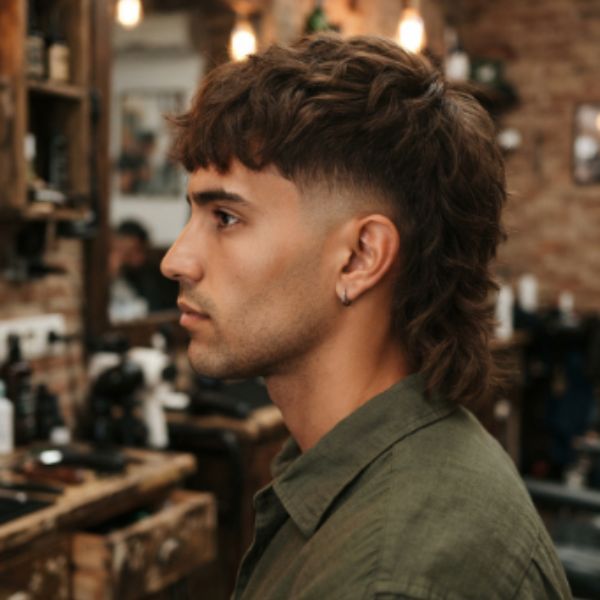
Choppy, uneven layers throughout the top and back give this style a deliberately rough texture, while the taper fade on the sides keeps it grounded. It’s a favorite for thick or coarse hair types.
Read More : Modern Crew Cut: 27 Trendy Haircut Variations for Men
Flowing Mullet
No harsh lines here. The flowing mullet lets hair move naturally from front to back, which works especially well if you already have medium to long length growing out.
Thick Mullet
Density does a lot of the work in this style, giving the back section natural volume and body without much product. Thick hair also holds a fade cleaner on the sides, making the contrast more defined.
Wavy Mullet
Natural waves add texture and movement, softening the overall shape of the cut. A light sea salt spray enhances the wave pattern without weighing the hair down.
Wolf Cut Mullet

A stylish mix of shaggy layers and a tapered mullet shape, the wolf cut features a fuller crown with soft layers and a clean drop behind the ears. It’s currently one of the most searched mullet variations among younger men.
Mullet Pompadour

Blending old school charm with a modern edge, the pompadour mullet lifts the front into a defined shape while keeping length at the back. It needs some product to maintain height and structure, but the payoff is a polished, head-turning look.
Mullet Blowout

A blowout adds significant volume and height across the top, creating a dramatic contrast with the tapered or faded sides. Paired with mullet length at the back, it’s one of the boldest, most statement-making versions of the cut.
How To Style A Mullet
Styling a mullet is really a two-part job. The front and sides need shape and control, while the back needs enough freedom to show off the length that makes the cut distinctive in the first place.
Style the Front and Sides First
Start with damp hair and work a small amount of texture cream, matte pomade, or styling clay through the top and sides. Use a blow dryer on a medium setting to lift the roots, then shape the front with your fingers or a comb depending on whether you want a quiff, faux hawk, or simple textured finish.
Finish the Back with Texture or Flow
Once the front is set, apply a lighter product, such as sea salt spray or a texture powder, to the back section. Scrunch curly or wavy hair to encourage natural movement, or comb straight hair so it lies flat and flows past the collar without looking flat or greasy.
What Is A Mullet Haircut?
A mullet haircut is a style defined by short hair on the top and sides paired with longer hair left at the back. The classic description, business in the front and party in the back, still applies, but the modern version relies on clean fades and intentional blending rather than a sudden, choppy change in length. The result is a haircut that looks deliberate and tailored instead of simply grown out.
The Evolution of the Mullet Haircut
The mullet’s roots go back much further than most people assume. Long back sections cut short at the front have appeared throughout history, from ancient Roman descriptions of Hunnic warriors to Celtic fighters of the Iron Age, largely for a practical reason: length at the back protected the neck, while a shorter front kept hair out of the eyes during work or combat.
The cut as we know it today took shape in the 1970s and exploded in the 1980s, worn by musicians, athletes, and rebels who used it as a symbol of individuality. By the mid 1990s, tastes shifted and the mullet became a punchline rather than a fashion statement, associated with outdated style rather than confidence.
That changed in the late 2010s. Fashion disruptors, social media, and a wave of nostalgia for 80s and 90s aesthetics brought the cut back into barbershops, this time with a major upgrade. Skin fades, textured tops, and precise blending replaced the abrupt lines of the original, turning the mullet into a genuinely modern hairstyle rather than a retro costume.
Modern Mullet Haircut Tutorial
Getting a clean modern mullet starts with a conversation with your barber, not just a photo. Explain that you want short, faded sides, a textured top, and length preserved at the back, and be specific about how dramatic you want the contrast between sections to be.
- Wash and dry the hair so your barber can see its natural texture and how it falls.
- Decide on your fade type first, whether that’s a low taper, burst fade, or skin fade, since this sets the overall structure of the cut.
- Have the top cut into layers that match your preferred styling, whether that’s a quiff, textured crop, or fluffy finish.
- Leave the back section trimmed to your desired length, either straight across or shaped into a soft V for a more tailored edge.
- Blend the transition points between the top, sides, and back so there’s no harsh line where one section meets another.
- Book a trim every three to four weeks to keep the fade sharp, even while letting the back continue to grow.
Bring reference photos to your appointment. Even experienced barbers benefit from seeing exactly which variation, whether it’s a burst fade mullet or a shaggy wolf cut, you’re aiming for.
Frequently Asked Questions
Is the mullet still trending in 2026?
Yes, the modern mullet remains one of the biggest men’s hairstyle trends of the year, driven largely by social media and barbershop culture.
How often should I get my mullet trimmed?
Most men trim every three to four weeks to keep the fade or taper clean while letting the back continue to grow.
Does a mullet work with curly hair?
Absolutely. Curly and permed mullets are among the most popular variations since curls add natural volume at the back.
Is a mullet appropriate for the office?
A low taper or classy mullet with subtle blending can look polished enough for most professional settings.
How long does it take to grow out a mullet?
Depending on your starting length and desired contrast, growing enough length at the back typically takes three to six months.
What products work best for styling a mullet?
Matte pomade, texture clay, and sea salt spray cover most needs, depending on whether you want hold, texture, or natural shine.
Read More : 25 Straight Hair Burst Fade Haircuts Every Man Should Try in 2026
Conclusion
The modern mullet haircut for men in 2026 has earned its place as a genuine style choice rather than a passing trend. With so many variations, from a clean mullet taper fade to a bold mullet blowout, there’s a version that fits nearly every hair type, face shape, and personality. Whether you want something office-appropriate or a look that turns heads on the weekend, the key is clear communication with your barber and a fade that blends naturally into the length at the back. Pick the style that matches your lifestyle, commit to regular trims, and the mullet will do the rest.

Zaria Rhodes is the lead editor and content curator at Lyrinexa, passionate about music, storytelling, and lyrical expression. With a deep love for discovering the meaning behind songs, she brings clarity, creativity, and accuracy to every post. Zaria is dedicated to providing readers with authentic lyrics, thoughtful interpretations, and a seamless music-exploration experience.

1 thought on “Modern Mullet Haircut: The Best Styles for Men in 2026”