


The boys mullet haircut has moved far past its old reputation and turned into one of the most requested kids’ cuts in barbershops today. Short on top and sides, longer at the back, it gives boys a look that feels bold without breaking school dress codes or a parent’s morning schedule.
This guide walks through what a modern mullet actually is, how to pick the right version for your son’s hair type and age, and twelve standout variations barbers are shaping in 2026. You’ll also find a quick care routine, styling steps a child can manage alone, and the exact phrases to use in the chair so the cut turns out right the first time.
What Is a Boys Modern Mullet
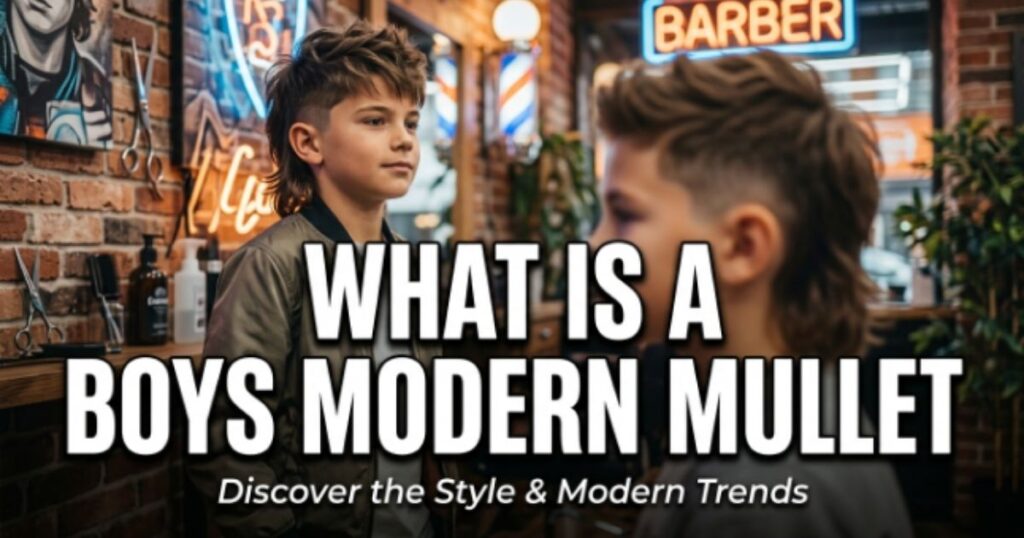
A boys modern mullet is a haircut with short, tidy sides and top that gradually give way to noticeably longer hair at the back and crown. Unlike the sharp, choppy mullets from decades past, today’s version relies on blending. Barbers use tapers, skin fades, and soft layering so the transition from short to long looks smooth rather than abrupt.
That blending is the real difference between a modern mullet and the retro cut most people picture. The front and sides stay clean enough for a classroom or a family photo, while the back carries the personality and texture that makes the style stand out. It also happens to work across nearly every hair type, from pin straight to tightly curled, which is a big reason it has become a go to request for parents booking their son’s next haircut.
Read More: Jenny Popach Age: How Old Is She in 2026?
How to Choose the Right Version
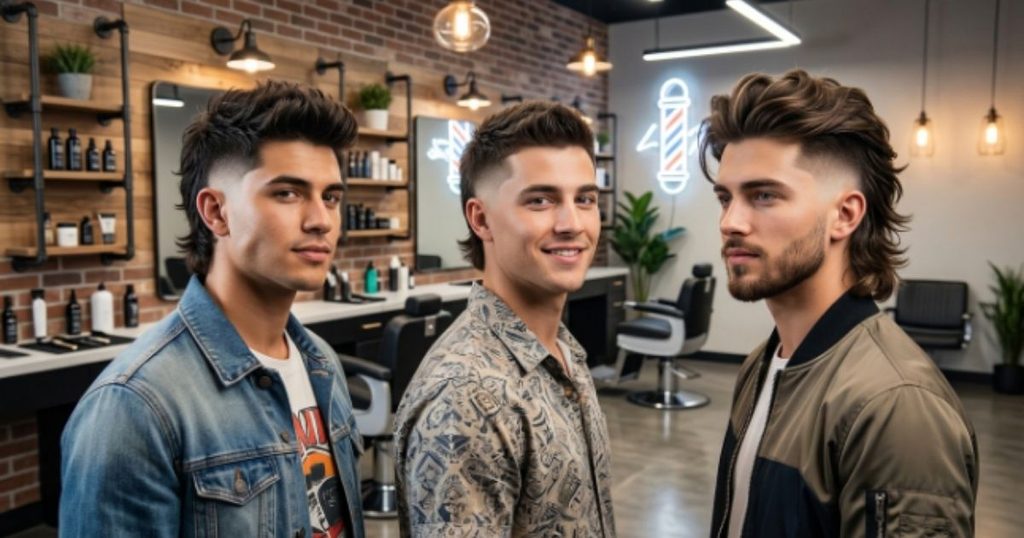
Picking a mullet variation comes down to three practical factors: hair texture, age, and lifestyle.
- Hair texture. Curly and wavy hair naturally hides growth and adds texture on its own, so a shag style or burst fade tends to look great with minimal styling. Straight hair shows clean lines more clearly, so a tapered or fade based mullet usually holds its shape longer between trims.
- Age. Younger boys, roughly five to eight years old, generally do better with a shorter, neater version that’s easy to maintain. Tweens and teens can handle bolder choices, including sharper fades and more dramatic length at the back.
- Lifestyle. Active kids who play sports need a version that stays out of the eyes and under a helmet without fuss, such as a short mullet or a burst fade. Kids who don’t mind a styling routine can go for a shaggier, more textured look that needs a bit more daily attention.
School policy is worth checking too. Some schools restrict shaved patterns or extreme length, so a softer taper mullet is usually the safer choice over a high contrast fade.
The Best Boys Mullet Haircut Variations

Here are twelve of the most popular takes on the boys mullet haircut for 2026, each suited to a different hair type, age, or personality.
1) Classic Boys Mullet
The classic version keeps things simple: short sides, a little length on top, and a back that sits just past the collar. It’s the easiest style to describe to a barber, and it grows out cleanly, which makes it a low risk starting point for a first mullet.
2) Boys Mullet Fade
Adding a fade to the sides sharpens the whole look. The skin or fade gradually blends into the longer top and back, giving the cut more contrast and a cleaner, more deliberate finish than a plain taper.
3) Short Mullet Haircut Boy
For families who want the idea of a mullet without a long commitment, this version trims the back down to a subtle flick instead of a full tail. It’s practical for swimming and sports since there’s less hair to manage.
4) Curly Boys Modern Mullet
Curly hair does most of the styling work on its own here. A barber shapes the sides with a taper or fade while leaving the curls at the crown and back untouched, letting natural volume define the silhouette.
5) Boys Modern Mullet Straight Hair
Straight strands show off clean lines beautifully, so this version leans on a sharp fade or taper up front to create definition, since the back tends to lie flat without a fade to contrast it against.
6) Tapered Modern Mullet Haircut Boy
A taper blends the sides into the length gradually instead of using a hard fade line. It’s a softer, more classic silhouette that grows out gracefully, which appeals to parents who want fewer trips to the barber.
7) Burst Fade Boys Mullet Haircut
Instead of a straight fade line, the burst fade curves around the ear in a circular shape. It’s a favorite among tweens and teens who want their mullet to look sharp and current rather than traditional.
8) Sporty Medium Mullet
Built for kids who never sit still, this version uses medium length hair that stays out of the eyes during recess, practice, or games. It’s practical first and stylish second, though it manages both well.
9) Wavy Surfer Mullet for Boys
Relaxed and beachy, this style channels natural wave patterns through the top and back. A little sea salt spray helps define the texture, and the cut looks effortless even with minimal daily styling.
10) Fringe Mullet
This version adds bangs across the forehead while keeping the long back intact. The fringe softens the front of the cut and gives it a fresh, more textured feel compared to a swept back top.
11) Low Fade Modern Mullet
For a more understated look, a low fade keeps the fade line closer to the ear instead of climbing high on the head. It’s a subtle option that still reads as intentional and modern.
12) Longer Back, School Safe
This variation keeps the fade soft and the overall silhouette conservative, with just enough length at the back to count as a mullet. It’s designed specifically to satisfy stricter school dress codes while still giving a boy the style he wants.
Quick Age and Care Guide
| Age Group | Recommended Style | Trim Frequency |
| Toddlers (2 to 4) | Short, soft taper mullet | Every 6 to 8 weeks |
| Younger kids (5 to 8) | Classic mullet or low fade | Every 4 to 6 weeks |
| Tweens (9 to 12) | Burst fade or tapered mullet | Every 3 to 5 weeks |
| Teens (13+) | Fade mullet, fringe mullet, or shaggy mullet | Every 3 to 4 weeks |
Most barbers agree there’s no strict minimum age for a mullet. Once a toddler’s hair has grown in thick enough to hold a shape, usually around age two or three, the cut can work. Fades and sharper contrast styles need more frequent trims since the fade line grows out fastest, while softer tapers and shag based mullets can comfortably stretch between visits.
Daily Styling That Kids Can Do
One advantage of the boys mullet haircut is that most versions can be styled by the child themselves within a few tries. A simple morning routine looks like this:
- Start with slightly damp hair rather than fully dry or soaking wet.
- Apply a small amount of lightweight product, such as a texturizing spray or a pea sized bit of styling cream, to the top section.
- Style the top forward, back, or to the side depending on the look.
- Leave the back mostly alone, since natural length and layering usually fall into place without extra work.
- Finish with fingers or a wide tooth comb rather than heavy brushing, which can flatten texture.
The whole process takes a few minutes at most, which is exactly why the style has become popular with parents managing busy school mornings.
Read More: Tesehki Age: What 30 Years Tell About Her Rise to Fame
Care and Upkeep
Keeping a boys mullet haircut looking sharp between barber visits comes down to a few consistent habits.
- Wash hair two to three times a week instead of daily. Washing too often strips natural oils that keep the longer back section healthy.
- Use a gentle, sulfate-free shampoo, and condition from the mid-lengths to the ends where the hair is oldest and driest.
- Stick to lightweight products like texturizing spray, sea salt spray, or curl defining cream. Heavy gels and waxes tend to weigh down kids’ finer hair.
- Brush or finger style daily with a soft brush or wide-tooth comb to prevent tangles, especially in the longer back section.
- Book trims on a regular schedule based on the style. Fades and sharp tapers need attention every three to four weeks, while softer, shaggier cuts can often go five to six weeks.
- Let hair air dry when possible. Frequent heat styling on young hair and scalp can cause unnecessary damage over time.
Barber Talk That Works

Walking into a barbershop without the right words can end with a haircut nobody asked for. These phrases help communicate exactly what a boys mullet haircut should look like:
- “Short taper on the sides, please keep the back long and layered.”
- “Blend the fade into the length instead of a hard line.”
- “Keep the top textured, not too heavy.”
- “We want it school appropriate, so nothing too dramatic on the sides.”
- “Trim the ends of the back only, don’t shorten the overall length.”
Bringing a reference photo from the front, side, and back is one of the most effective ways to avoid miscommunication. A good barber will also ask about hair type and daily routine before making the first cut, since that shapes how the mullet will hold up over time.
Frequently Asked Questions
What age is right for a boys mullet haircut?
There’s no fixed age. Most barbers say once a toddler’s hair is thick enough to shape, usually around age two or three, the cut can work.
How often should a boys mullet be trimmed?
Fades and tapers need a trim every three to four weeks, while softer or shaggier mullets can often stretch to five or six weeks.
Does a mullet work on curly hair?
Yes. Curly hair often needs the least styling, since natural texture and volume do most of the work at the crown and back.
Is a boys mullet haircut school appropriate?
A softer taper with modest back length is generally considered school friendly, though some schools do restrict shaved sides or extreme length.
What products should be used on a kid’s mullet?
Lightweight options work best, including texturizing spray, sea salt spray, and light styling cream. Heavy gels or waxes tend to weigh the hair down.
Conclusion
The boys mullet haircut earns its popularity in 2026 by being flexible in a way few other cuts manage. It stays neat enough for school, holds up during weekend activities, and adapts to straight, wavy, or curly hair without losing its shape.
Choosing the right version really just means matching the style to your son’s hair type, age, and daily routine, then keeping up with regular trims and the right products. Once that’s dialed in, it’s one of the easiest bold haircuts to live with day to day.

Zaria Rhodes is the lead editor and content curator at Lyrinexa, passionate about music, storytelling, and lyrical expression. With a deep love for discovering the meaning behind songs, she brings clarity, creativity, and accuracy to every post. Zaria is dedicated to providing readers with authentic lyrics, thoughtful interpretations, and a seamless music-exploration experience.
