


A straight hair burst fade is a sharp, modern haircut that combines naturally straight hair with a curved fade around the ears. Unlike a traditional fade that moves more evenly along the sides, the burst fade creates a rounded transition around the ear while preserving more length toward the crown and back.
Straight hair is especially well suited to this haircut because its smooth texture makes the fade’s shape easy to see. At the same time, straight hair can expose uneven blending, excess weight, and poor transitions more quickly than textured hair.
The right cut depends on more than choosing a fade. Your hair thickness, face shape, top length, natural growth pattern, and desired maintenance level all matter. This guide explains the best straight hair burst fade styles, how to choose between low, mid, and high versions, what to tell your barber, and how to keep the haircut looking sharp.
What Is a Straight Hair Burst Fade?
A burst fade is a fade that curves around the ear in a semicircular pattern instead of following a straight vertical path down the side of the head.
With straight hair, this curved transition becomes particularly noticeable because the hair naturally falls in a consistent direction.
The haircut can be combined with many different styles on top, including:
- Textured crop
- Fringe
- Quiff
- Side part
- Slick back
- Brush-up
- Faux hawk
- Mohawk
- Mullet
- Short layered top
The defining feature is the curved fade around the ear, not the length or style of the hair on top.
Why Does a Burst Fade Work With Straight Hair?
Straight hair has a naturally smooth surface, so clean transitions are easy to notice.
That creates two advantages.
First, a professionally blended burst fade can look extremely crisp. Second, the haircut can provide structure to hair that otherwise tends to fall flat.
However, there’s also a downside. Straight hair doesn’t naturally hide blending mistakes with curls or waves. A harsh guideline or uneven transition can therefore become obvious.
For that reason, your barber should pay close attention to:
- Fade symmetry
- Weight removal
- Crown connection
- Hairline
- Ear curve
- Sideburn transition
- Texture on top
A textured finish on top can also help prevent straight hair from looking completely flat.
Read More: Long Crew Cut Hairstyle Men: Clean Length, Easy Control
Low vs Mid vs High Burst Fade for Straight Hair
Choosing the right fade height is one of the most important decisions.
Low Burst Fade
A low burst fade stays close to the ear and lower sideburn.
It preserves more hair on the sides, creating a subtle transition.
Best for:
- First-time burst fade wearers
- Conservative styles
- School or office settings
- Fine straight hair
- People who want an easier grow-out
A low burst fade is also a good choice if you don’t want the sides to dominate your overall haircut.
Mid Burst Fade
A mid burst fade sits higher and creates more visible contrast.
It’s often the safest middle ground if you’re unsure whether you want a subtle or dramatic haircut.
Best for:
- Medium-length tops
- Textured hairstyles
- Side parts
- Quiffs
- Straight hair with moderate density
- Everyday modern styles
Current haircut guides frequently position the mid burst as a balanced option between the softer low version and the more aggressive high version.
High Burst Fade
A high burst fade removes considerably more hair around the sides.
The result is bolder and more noticeable.
Best for:
- Thick straight hair
- Faux hawks
- Mohawks
- Mullet styles
- High-contrast looks
- People who don’t mind frequent maintenance
Be careful if your hair is fine or low density. Taking the fade too high can make the top appear less full.
Best Straight Hair Burst Fade Styles
1. Low Burst Fade With Textured Crop
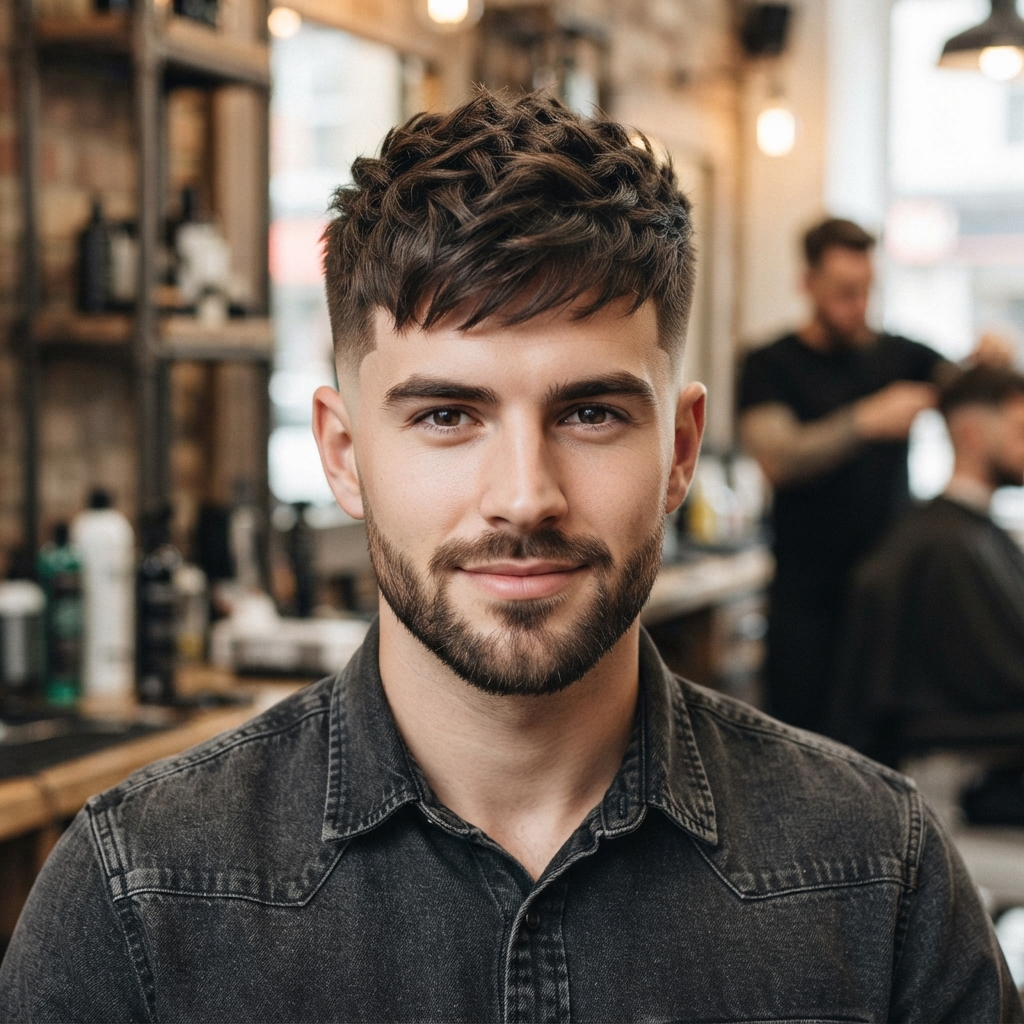
A textured crop is one of the easiest ways to make straight hair look fuller and more dynamic.
Keep the top relatively short and ask your barber for light texture. The low burst keeps the sides neat without creating excessive contrast.
Use a small amount of matte paste for definition.
2. Mid Burst Fade With Textured Fringe
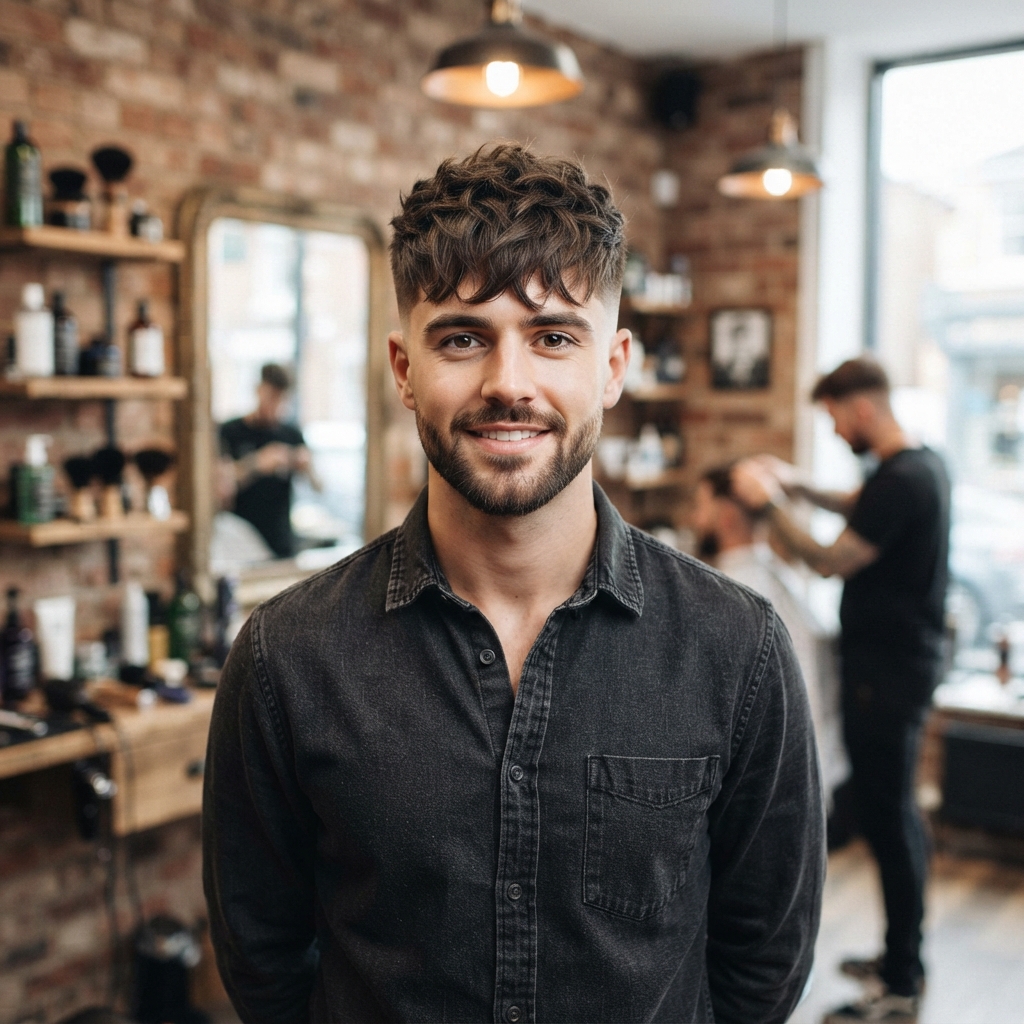
A textured fringe gives straight hair movement without requiring a complicated styling routine.
The mid burst creates enough contrast to make the front and top stand out.
This style can work particularly well if you prefer wearing your hair forward.
3. High Burst Fade With Messy Top
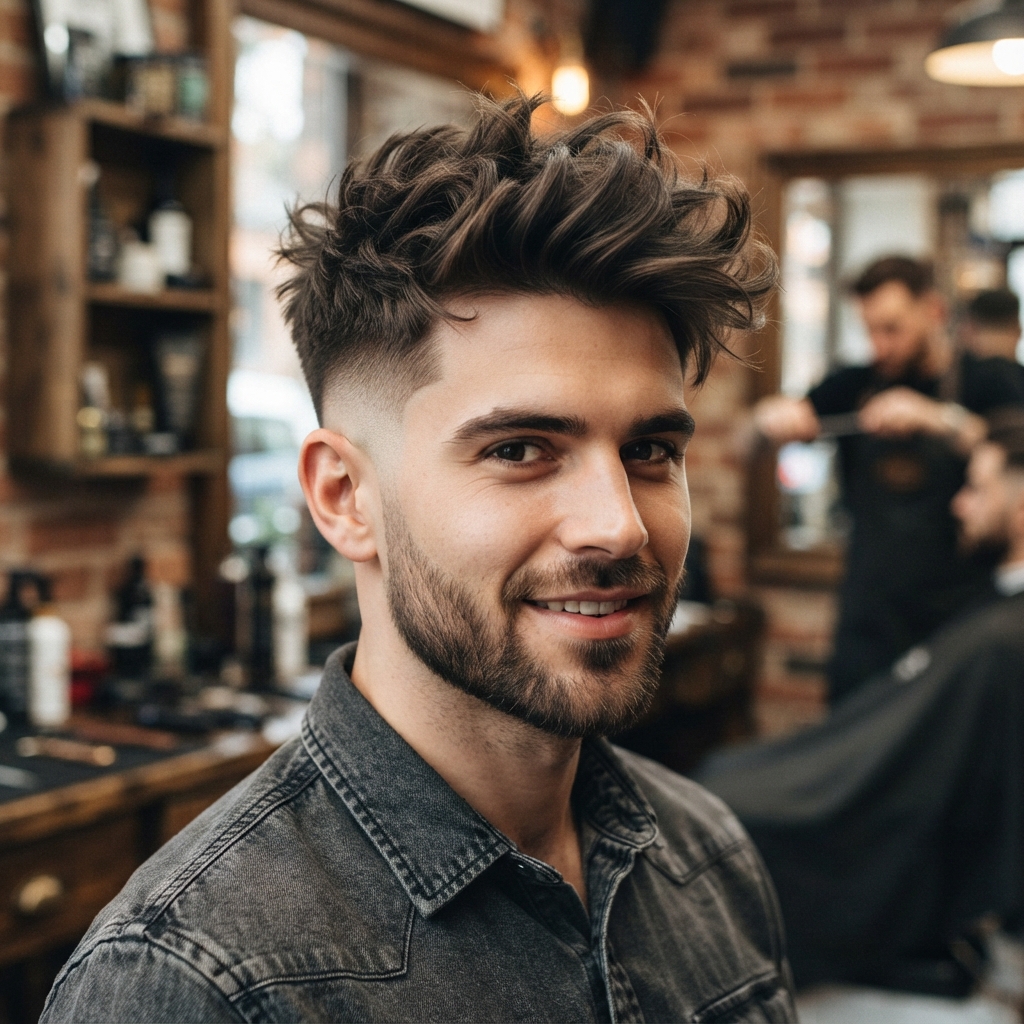
A high burst fade paired with a messy top creates a much stronger contrast.
Ask your barber to preserve enough length on top for texture.
Use matte clay or styling paste rather than a heavy wet-look product.
4. Burst Fade With Short Buzz Top
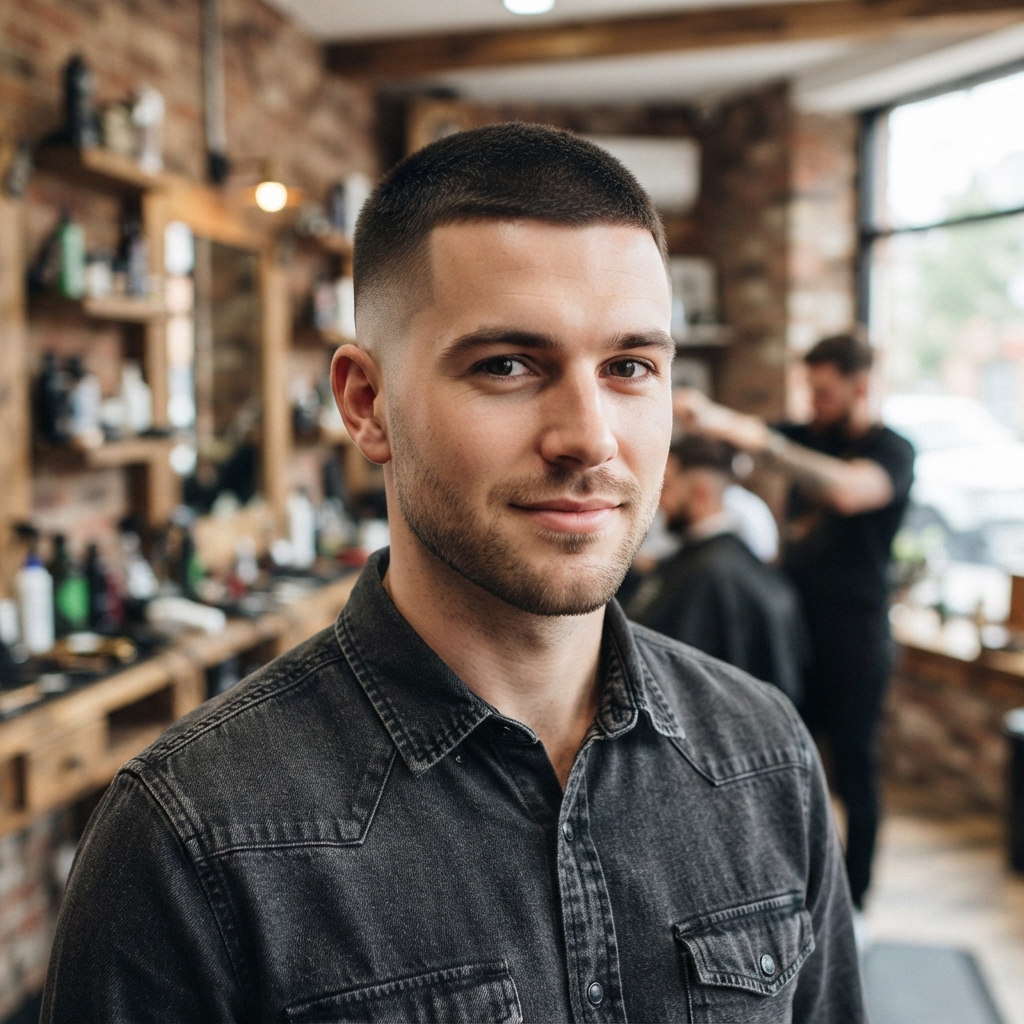
If you want minimal styling, combine the burst fade with a short buzz cut.
This creates a clean, low-maintenance haircut while keeping the curved fade visible.
It’s particularly practical if you don’t want to spend several minutes styling your hair every morning.
5. Straight Hair Burst Fade With Short Spikes
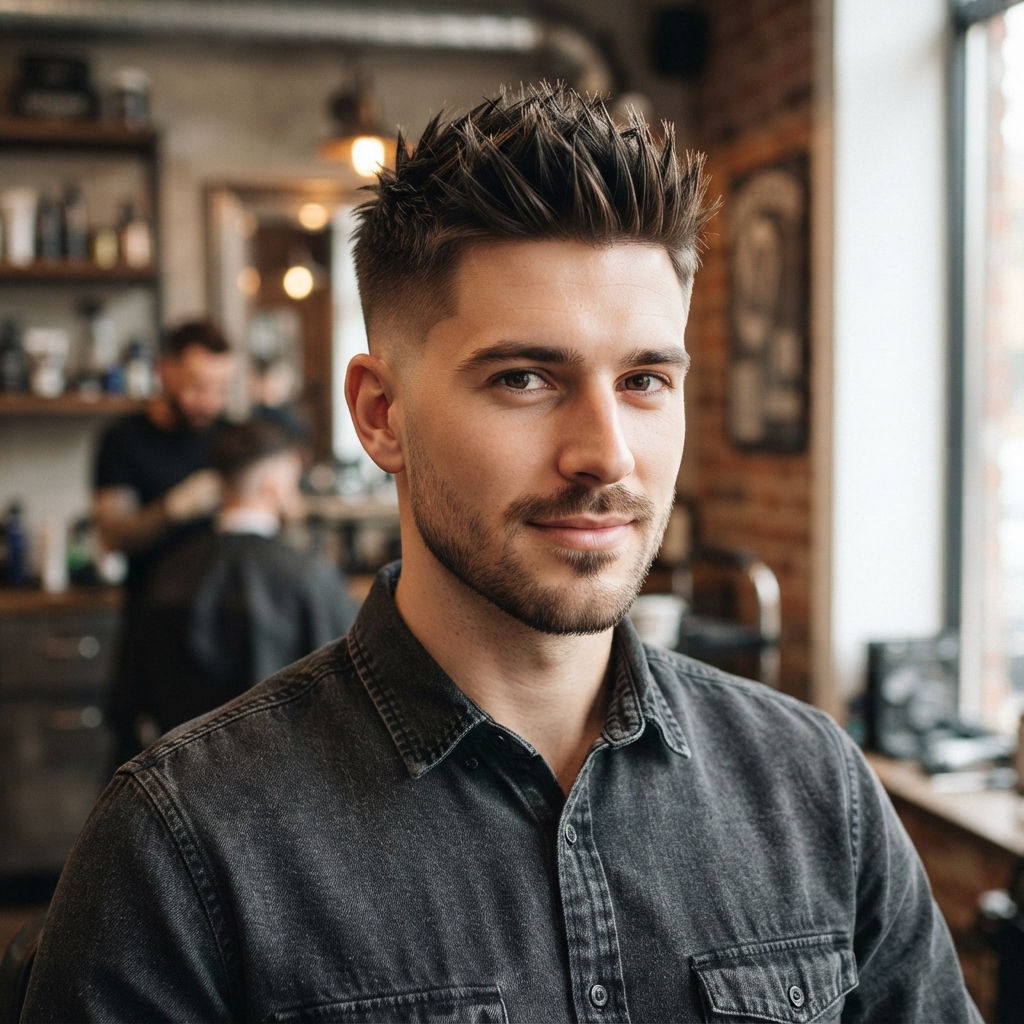
Straight hair can hold short spikes effectively when the top has enough texture.
Keep the spikes relatively natural instead of creating stiff, uniform points.
A matte styling product works better than excessive gel for a modern finish.
6. Burst Fade With Brush-Up
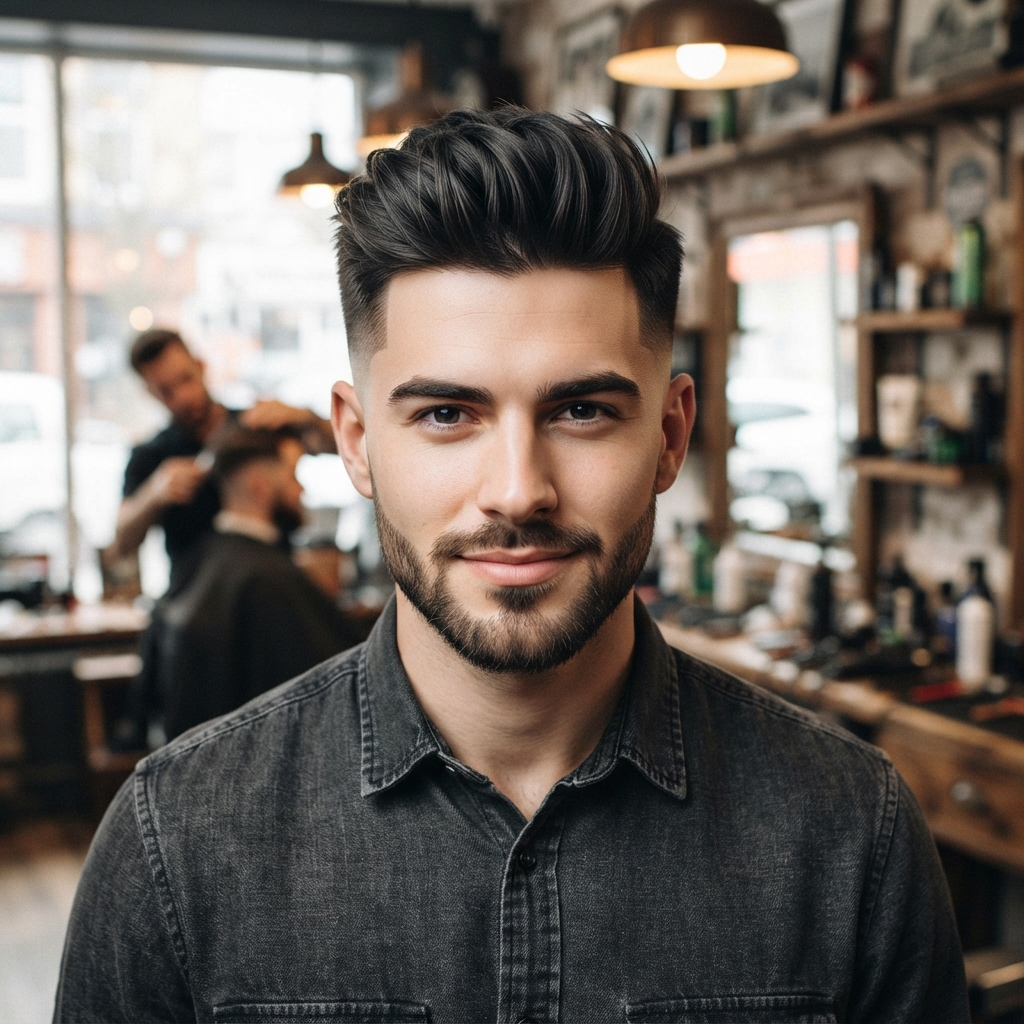
Leave moderate length at the front and brush the hair upward.
This adds vertical height and can help balance a rounder face.
Blow-dry the front upward before applying a small amount of matte paste.
7. Side-Swept Burst Fade
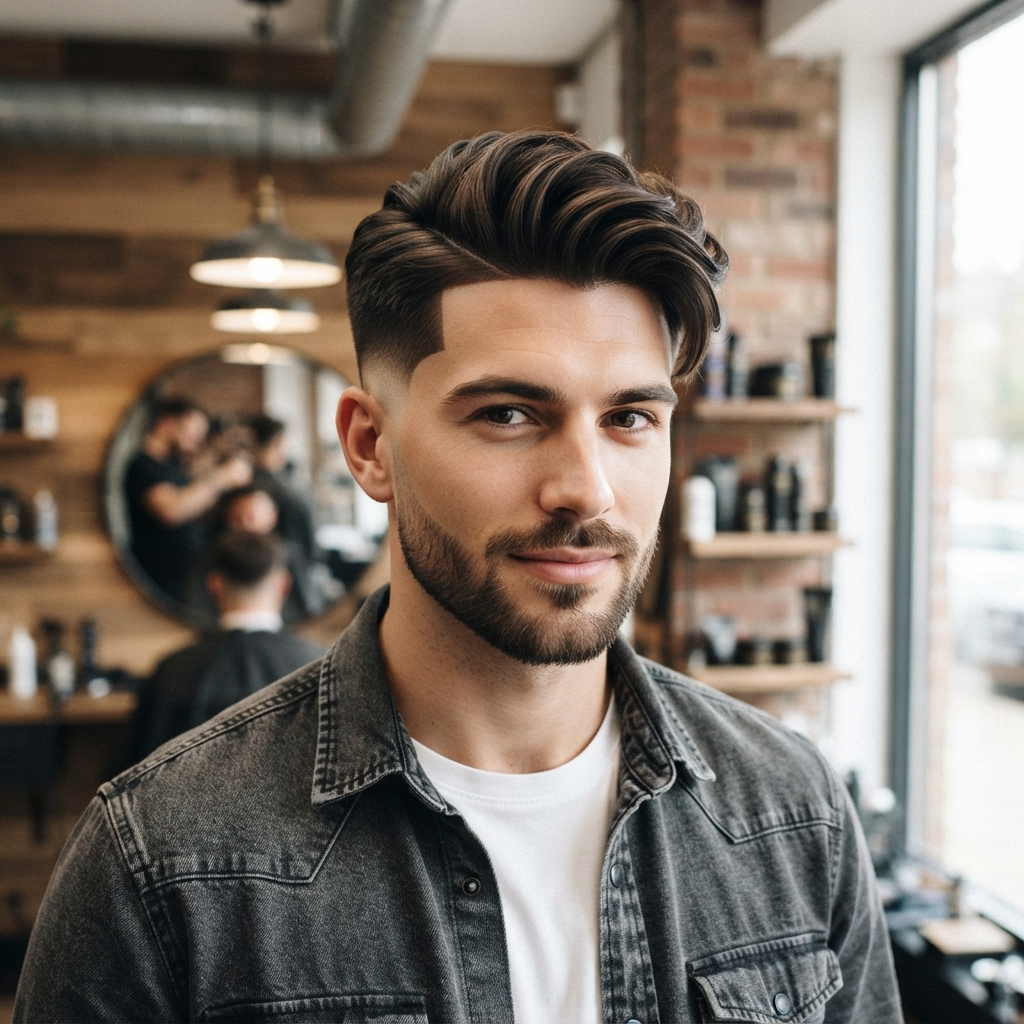
A side sweep is a more understated option.
The sides remain clean while the top moves naturally toward one side.
This is a good choice if you want a burst fade that can work in both casual and professional environments.
8. Side Part With Burst Fade
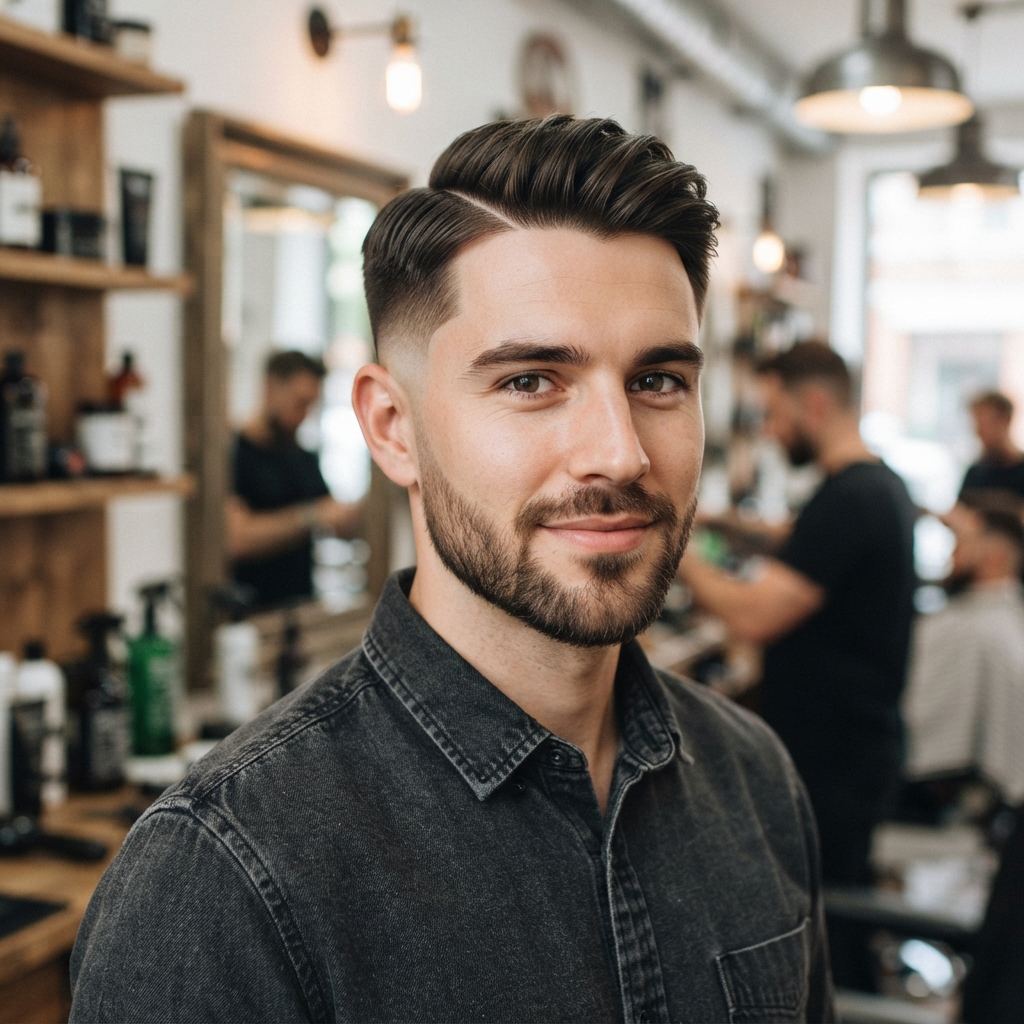
A side part adds a classic element to the modern fade.
Straight hair makes the part relatively easy to define.
You can use a comb for a polished appearance or your fingers for a softer finish.
9. Slick Back Burst Fade
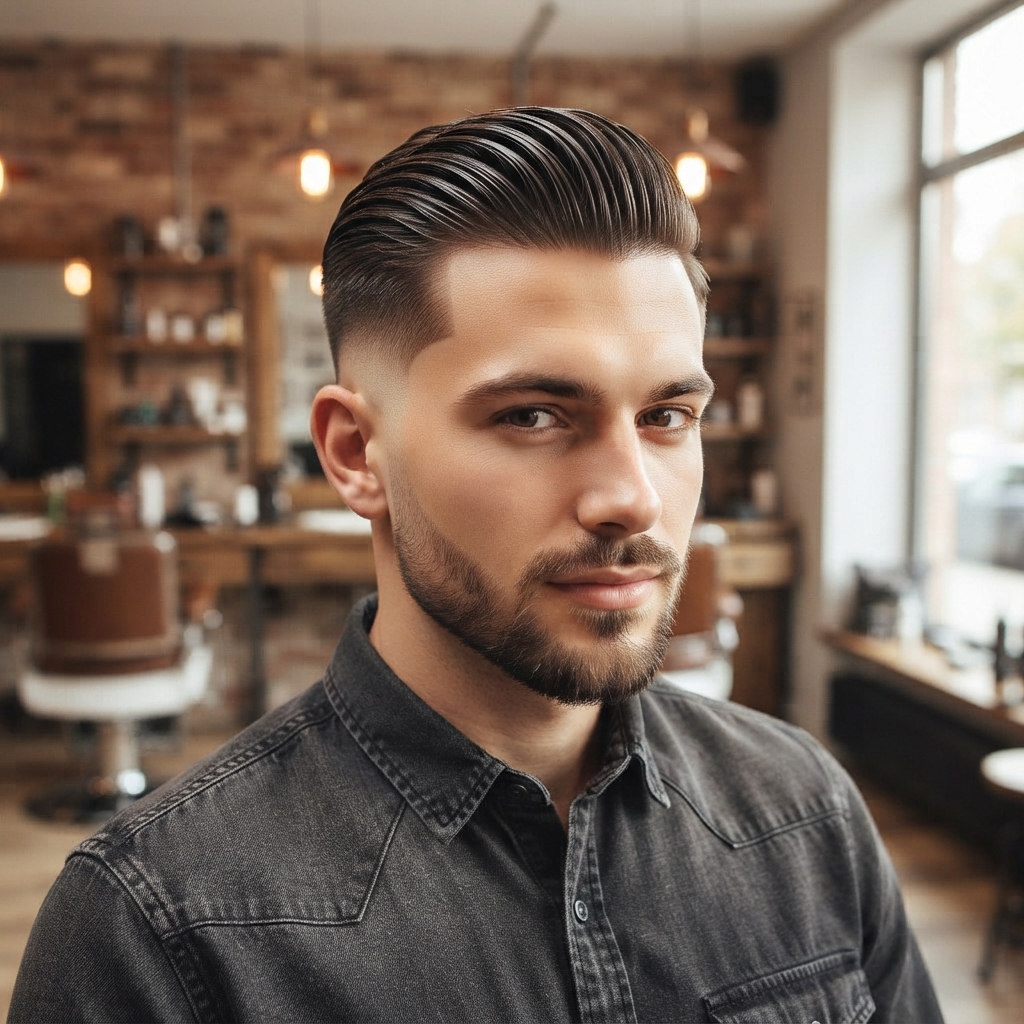
If you have enough length on top, a slick back creates a mature and polished look.
Use a medium-hold product and comb the hair backward.
Avoid using too much product because straight hair can become greasy or weighed down quickly.
10. Straight Hair Burst Fade Quiff
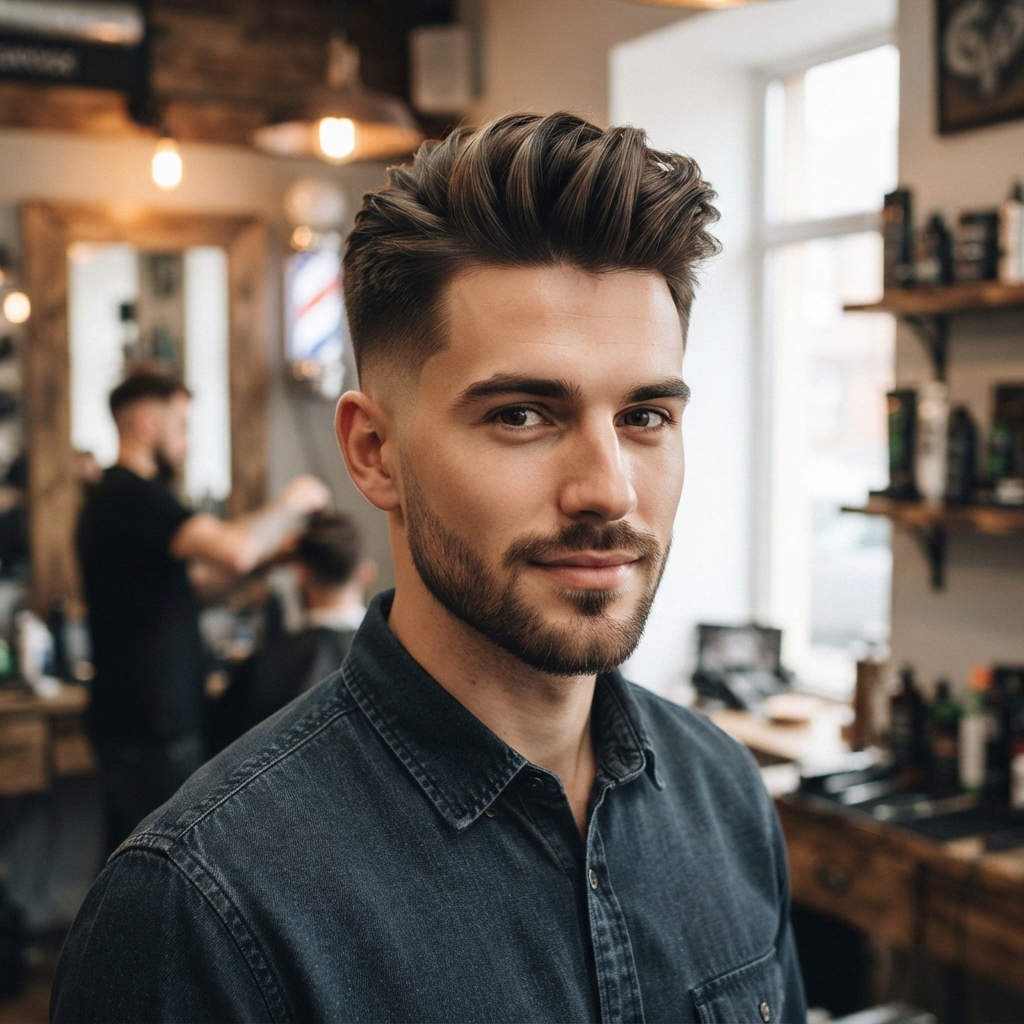
The quiff combines volume at the front with clean sides.
This is especially useful if your straight hair tends to sit flat.
A blow dryer can create most of the required volume before styling product is added.
11. Long Straight Hair Burst Fade
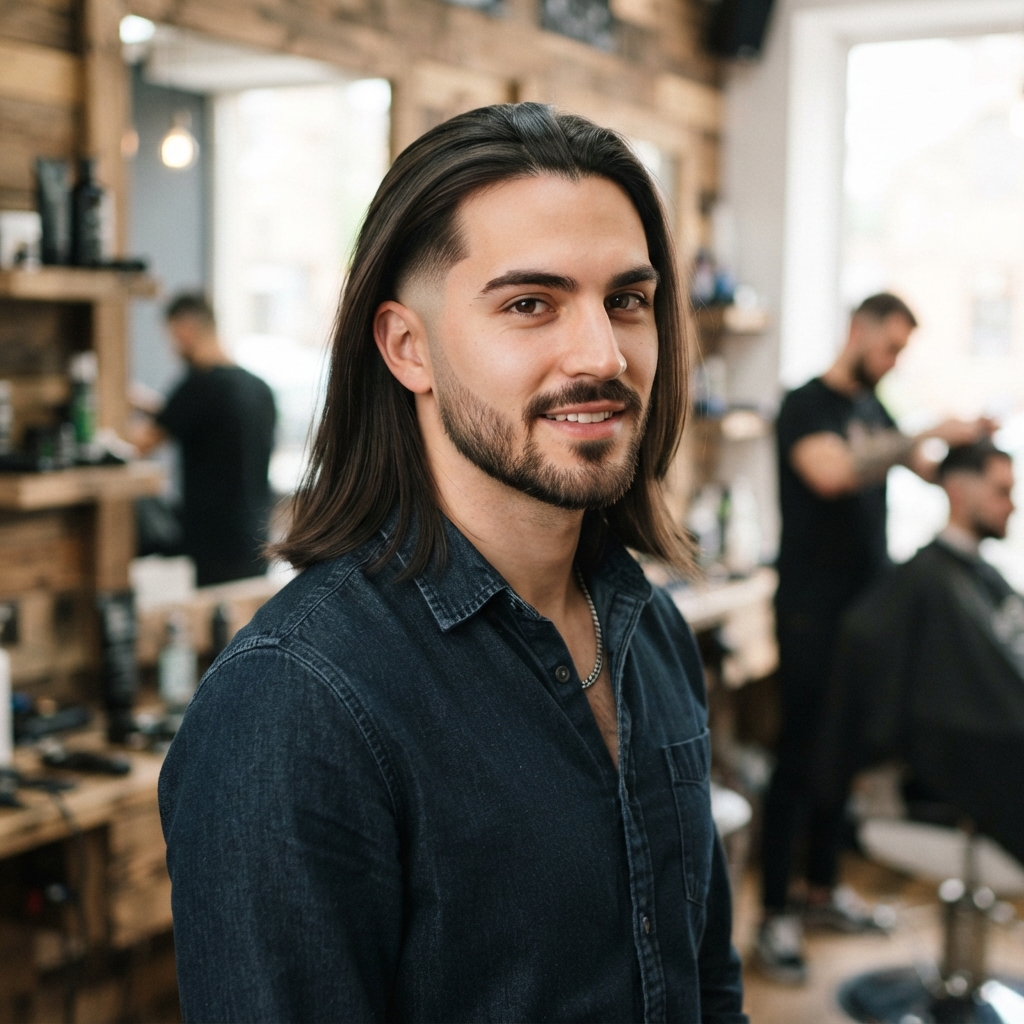
You don’t need extremely short hair to wear a burst fade.
A longer top creates more styling options, including a flow, curtains, slick back, or layered finish.
The fade provides structure while the longer top creates movement.
12. Burst Fade Mullet With Straight Hair
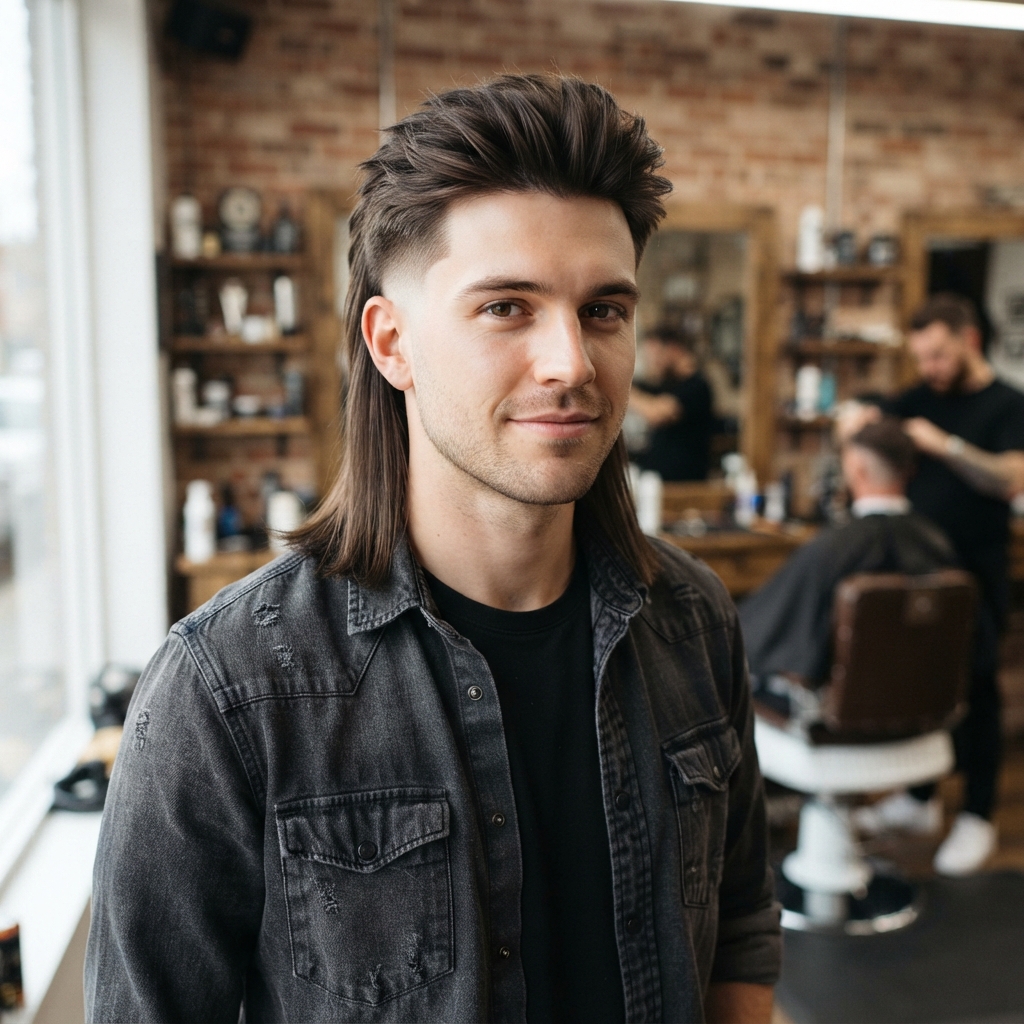
A burst fade mullet is one of the strongest combinations for straight hair.
The sides become tight around the ears while the crown and back remain longer.
The most important detail is maintaining enough hair through the crown to connect the top with the back. Excessive fading can destroy the mullet’s shape.
13. Burst Fade Mohawk
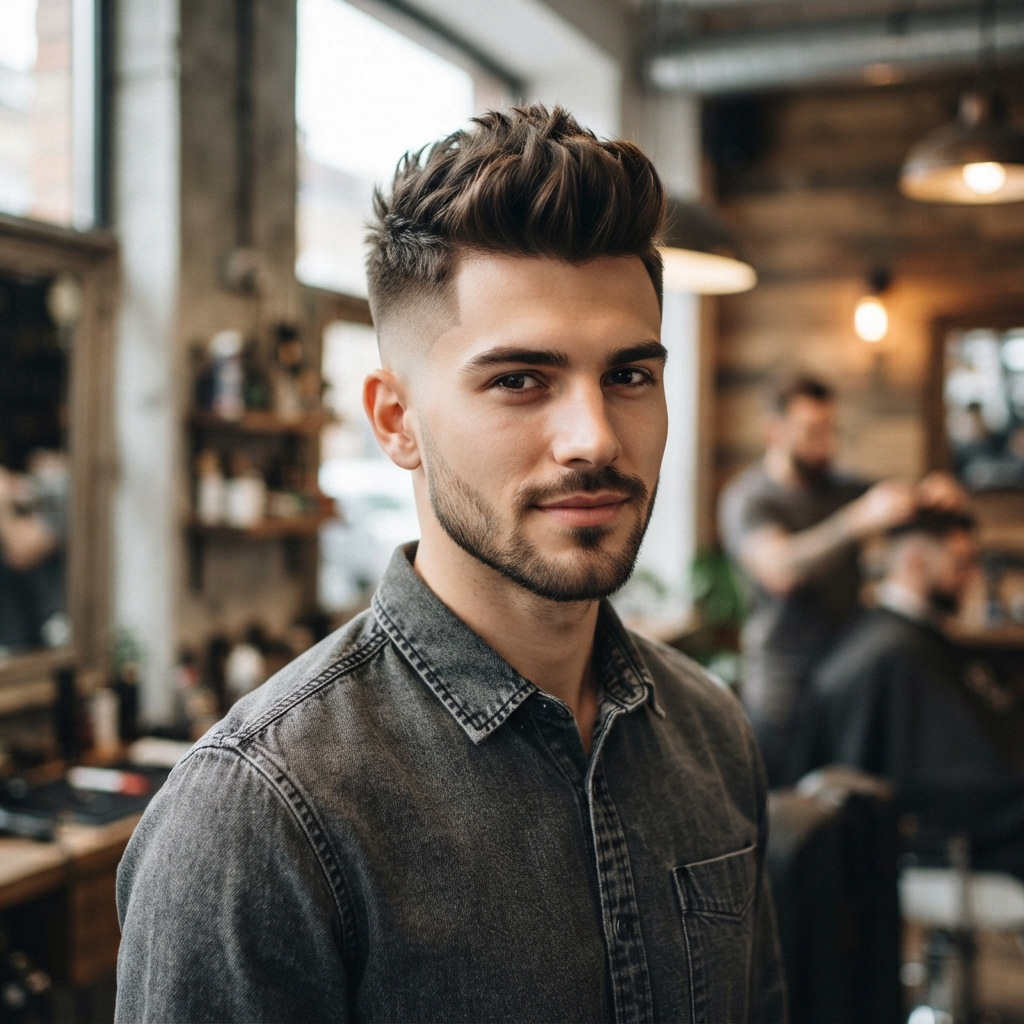
A mohawk keeps more length through the center of the head while the sides are dramatically shortened.
A high burst fade can strengthen this contrast.
This is a statement style rather than a conservative haircut.
14. Low Burst Fade With Short Fringe

If you want something simple, combine a low burst with a short fringe.
The lower fade keeps the haircut understated while the fringe gives the front some character.
15. Mid Burst Fade With Layered Top
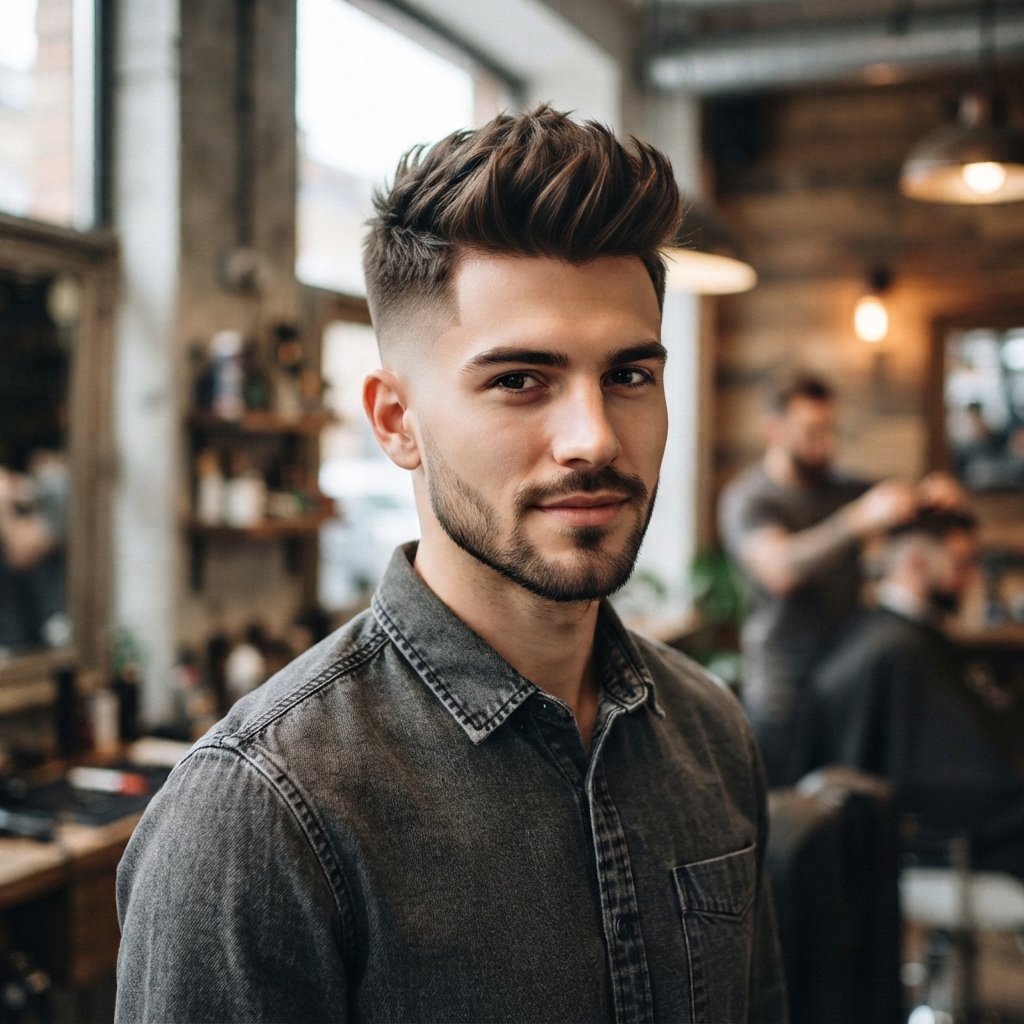
Layers can be particularly useful for thick straight hair.
They remove unnecessary weight while allowing the top to move naturally.
This can prevent the hair from sitting like a solid block above the fade.
Read More: French Crop Haircut: 18 Stylish Variations for Modern Men
Which Burst Fade Is Best for Your Hair Type?
Hair texture alone doesn’t determine the best style. Density and thickness are equally important.
Fine Straight Hair
Keep more weight on top and avoid taking the fade unnecessarily high.
A low burst with a textured crop can create the appearance of greater fullness.
Thick Straight Hair
You have more freedom.
A mid or high burst can remove some side bulk while keeping enough length on top for a quiff, fringe, or textured style.
Coarse Straight Hair
Ask your barber to control the weight rather than simply shortening everything.
Strategic layering and texturing can make the hair easier to manage.
Low-Density Straight Hair
Be conservative with the fade height.
A very high skin fade can expose more scalp and make areas of lower density more noticeable.
A low or mid burst generally gives you more flexibility.
How to Tell Your Barber Exactly What You Want
One of the biggest mistakes is simply saying, “Give me a burst fade.”
That doesn’t tell your barber how high you want the fade or how much hair you want to preserve.
Instead, explain these five details:
- Fade height: low, mid, or high
- Shortest length: skin, zero, or shadow
- Top length: short, medium, or long
- Back: short, natural, or longer
- Texture: smooth, layered, or heavily textured
A useful barber request would be:
“I want a mid burst fade around the ears. Keep the curve clean and blended, leave about three inches on top, and add light texture so my straight hair doesn’t fall flat.”
If you’re getting a mullet, add:
“Keep the crown connected to the back and leave enough length for a layered mullet.”
A reference photo is still the best way to communicate the exact shape you want.
How to Style a Straight Hair Burst Fade
Straight hair usually doesn’t need an elaborate routine.
Step 1: Start With Damp Hair
After washing, gently towel-dry your hair.
Don’t aggressively rub it because excessive friction can create unnecessary frizz and breakage.
Step 2: Add a Lightweight Product
Use a small amount of:
- Matte paste
- Styling cream
- Matte clay
- Texture powder
- Lightweight pomade
Choose the product based on your desired finish.
Step 3: Create Volume
If your hair falls flat, use a blow dryer.
Direct airflow against the natural direction of the hair while lifting the roots with your fingers or a brush.
Step 4: Shape the Top
Use your fingers for a messy appearance.
Use a comb for a side part or slick back.
Step 5: Finish Lightly
Don’t overload straight hair with product.
Too much product can make it look oily, flat, or heavy.
How Often Should You Maintain a Burst Fade?
For a consistently sharp appearance, a 2 to 3 week cleanup is a practical schedule for many people.
You can stretch the haircut longer if you prefer a softer grow-out.
The fade itself becomes less defined as the short sections grow, so people who want extremely crisp edges usually return more frequently.
Current haircut guides commonly recommend approximately two to four weeks depending on how sharp the wearer wants the fade to remain.
Common Straight Hair Burst Fade Mistakes
Taking the Fade Too High
A high burst creates strong contrast. It isn’t automatically better.
Choose the height according to your face shape, hair density, and desired style.
Leaving the Top Completely Flat
Straight hair can naturally collapse against the scalp.
Light texture or controlled volume can make the haircut more dynamic.
Removing Too Much Crown Weight
This is especially important with a burst fade mullet.
The crown needs enough length to connect the top with the back.
Ignoring Hair Density
A haircut that looks excellent on thick hair may not produce the same result on fine or low-density hair.
Making the Ear Curve Uneven
The curve around the ear is the defining feature of the haircut.
An uneven curve can make the entire fade look poorly executed.
Using Too Much Hair Product
Straight hair often shows buildup quickly.
Start with a small amount and add more only if necessary.
Burst Fade vs Drop Fade
These two fades can look similar from certain angles, but their shapes differ.
A burst fade focuses on the curved area around the ear.
A drop fade follows the head’s natural shape and drops lower toward the back of the head.
Choose a burst fade if you specifically want the rounded ear-focused effect.
Choose a drop fade if you want the fade to follow a deeper downward path around the back.
Is a Burst Fade Good for School or Work?
Yes, but the height and top style matter.
A low burst with a short crop or side part looks much more conservative than a high burst with a long mullet.
If you work in a formal environment, tell your barber you want a subtle transition and controlled neckline.
Does Straight Hair Need Texture With a Burst Fade?
Not always, but texture can significantly improve the finished appearance.
Straight hair naturally falls in a uniform direction. Without layering or styling, longer sections can look flat.
Light texturing gives the top more separation and movement.
For fine hair, however, excessive texturing can remove too much visual density. Ask your barber to balance texture with fullness.
Is a Skin Burst Fade Better Than a Tapered Burst Fade?
Neither is universally better.
A skin burst fade creates maximum contrast and requires more frequent maintenance.
A shadow or tapered burst fade produces a softer appearance and generally grows out more naturally.
Choose skin if you want maximum sharpness.
Choose a softer fade if you want easier maintenance.
Frequently Asked Questions:
Is a burst fade good for straight hair?
Yes. Straight hair clearly shows the curved fade and can create a particularly clean, structured result.
What is the best burst fade for straight hair?
A low or mid burst is the most versatile starting point, while a high burst works well for bold styles such as mullets and faux hawks.
Can straight hair get a burst fade mullet?
Yes. Straight hair can create a defined mullet silhouette, especially when the crown and back are layered properly.
Is a burst fade high maintenance?
The haircut itself is moderately high maintenance if you want the fade extremely sharp, with cleanups commonly needed every two to three weeks.
Does a burst fade work with thin straight hair?
Yes, but a lower fade and more preserved weight on top may create a fuller appearance than an aggressive high fade.
What length should the top be?
There is no fixed requirement. Short tops are easier to maintain, while medium and long tops provide more styling options.
Which burst fade is best for a round face?
A mid or high burst with some height on top can help create a more elongated visual profile.
Can I get a burst fade without showing skin?
Yes. Ask for a shadow or longer clipper fade instead of a skin fade.
How long does a burst fade take to grow out?
It depends on your growth rate, but the sharpest definition usually starts softening within a couple of weeks.
What should I tell my barber for a straight hair burst fade?
Specify the fade height, shortest length, top length, back length, and desired texture. A reference photo can remove even more uncertainty.
Conclusion
A straight hair burst fade is a versatile haircut because the curved fade provides structure while the straight top can be styled in many different ways. You can keep it subtle with a low burst, choose a balanced mid fade, or create a dramatic appearance with a high burst.
The most important decision isn’t simply the fade itself. Consider your hair density, face shape, top length, and maintenance routine before choosing the style.
For most first-time wearers, a mid burst fade with a textured top offers a strong balance between definition and versatility. If you prefer a conservative look, start with a low burst. If you’re after a statement haircut, consider a high burst with a mullet, faux hawk, or longer textured top.

Zaria Rhodes is the lead editor and content curator at Lyrinexa, passionate about music, storytelling, and lyrical expression. With a deep love for discovering the meaning behind songs, she brings clarity, creativity, and accuracy to every post. Zaria is dedicated to providing readers with authentic lyrics, thoughtful interpretations, and a seamless music-exploration experience.
