


A low fade crew cut pairs a short, tidy top with a soft blend that starts near the ear and nape. It reads sharp at the office, easy on weekends, and simple to maintain between visits. This guide breaks down who the cut suits, how it works with different face shapes and hair types, and what to say in the chair so your barber nails it the first time. You’ll also find twelve variations to choose from, a quick styling routine, and a script you can read straight to your barber. If you want a haircut that looks intentional without extra effort, this is the one to book next.
What Is a Low Fade Crew Cut
A crew cut keeps the top short, usually between half an inch and one and a half inches, with a slight lift at the front for shape. The sides and back stay short too, but a standard crew cut often uses simple clipper guards with no real blend.
Add a low fade, and the sides transition gradually from skin or a very short guard near the ear up to the length on top. The fade line sits low, roughly at ear level or just above, instead of climbing toward the temple or crown. That placement keeps the contrast subtle. From a distance the cut looks neat and understated. Up close, the blend shows precision and control.
Barbers like this combination because it works on almost any head shape, grows out evenly, and needs less upkeep than a mid or high fade. The low starting point means fewer visible lines as hair grows between appointments, which is one reason the style has stayed popular through 2026.
Who It Suits
This cut favors men who want a low maintenance style that still looks deliberate. It fits students who need something that survives a full school day, office workers who want a polished look without daily styling, and anyone in an active job or the military who needs hair that stays out of the way.
It also works well for:
- Men transitioning from a buzz cut who want more length on top
- First time fade clients who want a subtle blend rather than a bold one
- Anyone who wears hats, helmets, or headsets often, since the short sides sit flat underneath
- Guys who travel a lot and want a cut that still looks sharp after a few weeks without a trim
Because the fade starts low, it suits conservative workplaces and formal settings just as well as casual, everyday wear.
Face Shapes and Hair Types
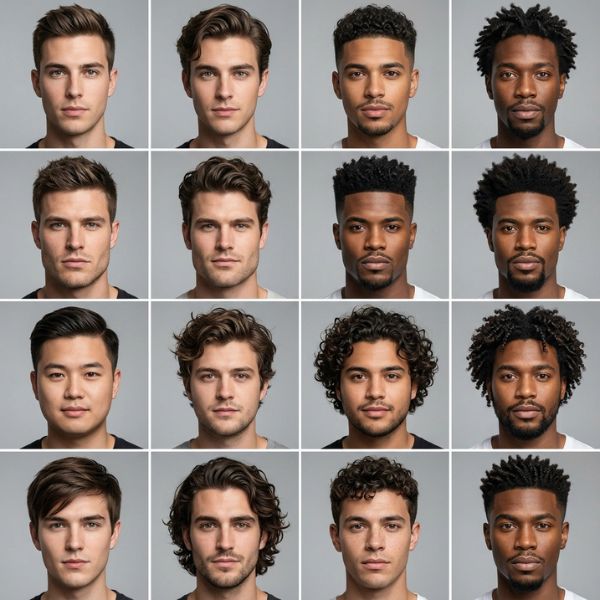
Matching the cut to your face shape and hair texture is what separates an average result from a great one.
Oval face: Almost any top length works here. Add light texture on top for movement without losing the clean shape.
Square face: A low fade softens the temple area while the jaw stays visible, which balances a strong jawline nicely.
Round face: Keep slightly more height on top. That added lift creates the illusion of length and keeps the face from looking wider.
Oblong face: Choose a shorter top paired with a low fade. Extra height only stretches the face further, so a compact silhouette works better.
Hair type matters just as much as face shape:
- Straight hair benefits from light texture on top so it does not sit flat or look one dimensional.
- Wavy hair gets tamed at the sides by the fade, which reduces puffiness and keeps the pattern looking tidy.
- Curly hair looks best with a flatter crown, so curls sit close and stay defined instead of ballooning.
Edges and Details
The finishing touches decide whether a low fade crew cut looks sharp or unfinished. A clean, straight hairline at the front reads classic and professional, while a slightly rounded edge softens the look for a more relaxed finish. Around the ears, a barber should taper closely without leaving a harsh line, since that area is where the fade begins its climb.
At the nape, you have two common choices: a natural rounded neckline or a defined V shape neckline that draws the eye downward and gives the back a sharper finish. Ask for the crown to stay flat rather than bulky, since a flat crown keeps the transition from top to fade looking seamless. Regular trims every two to three weeks keep these edges crisp, especially at the temples and nape where regrowth shows first.
Read more: Burst Fade Mullet 2026: 25 Clean Styles That Look Bold
12 Variations Low Fade Crew Cut Hairstyle
Once you understand the basics, you can pick a version that matches your hair type, lifestyle, and personal style. Here are twelve popular takes on the low fade crew cut.
Classic Low Fade Crew Cut
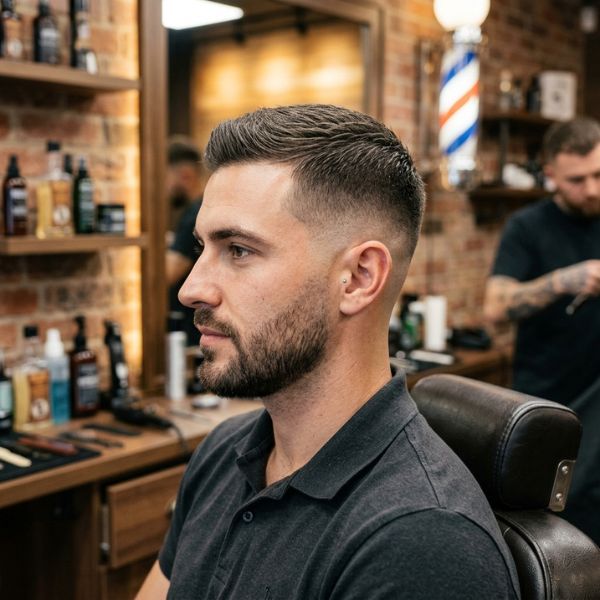
The standard version. Short, even length on top with a gentle low blend at the sides. Simple, timeless, and easy for any barber to replicate.
Textured Low Fade Crew Cut
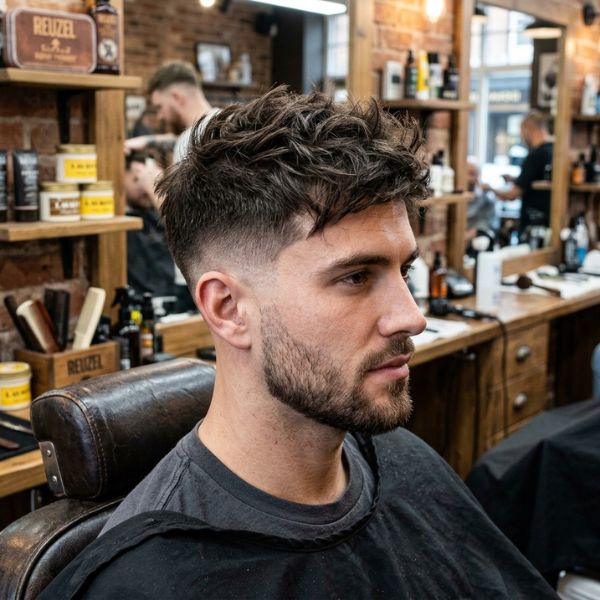
The top is cut with scissors or texturizing shears to add movement and separation. This works especially well on straight or fine hair that tends to look flat.
Messy Low Fade Crew Cut
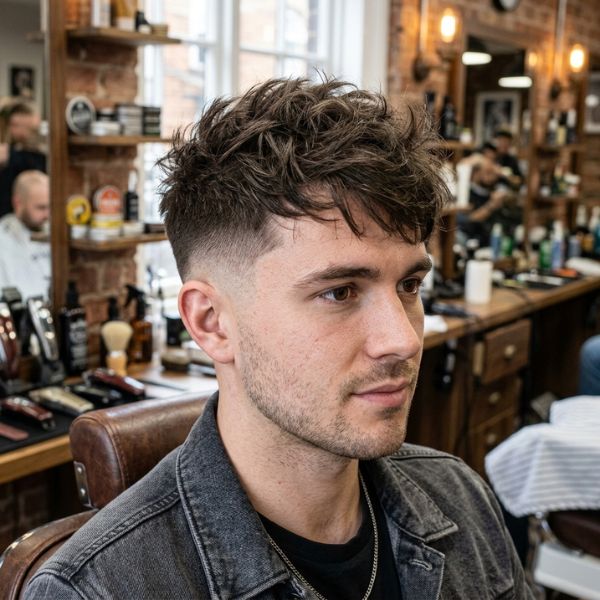
The top stays a touch longer and breaks into soft, natural pieces. It looks relaxed rather than sloppy because the fade and hairline stay sharp underneath the texture.
Skin Low Fade Crew Cut
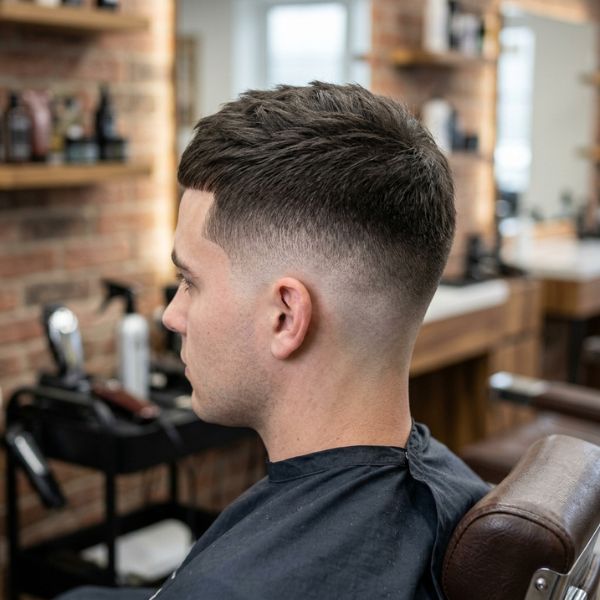
The blend drops all the way to bare skin at the base before fading upward. This version gives the most contrast and the crispest, most photo ready finish.
Drop Low Fade Crew Cut

The fade line dips behind the ear instead of staying level. This keeps the back looking tidy on rounder head shapes and gives a leaner profile from the side.
Buzz Crew Cut Low Fade
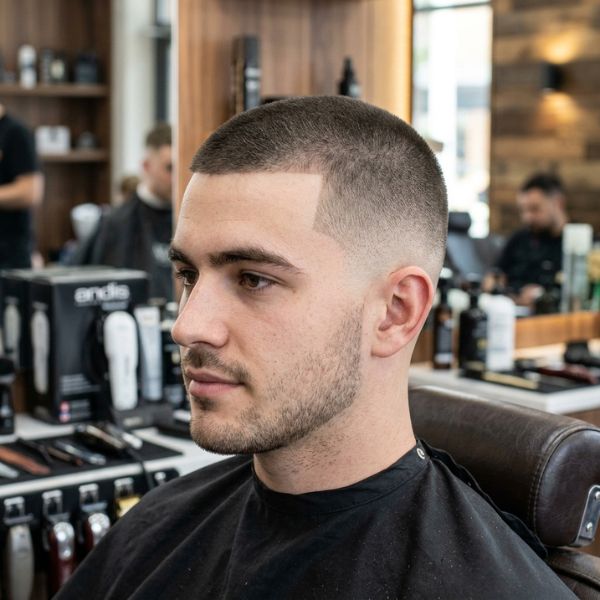
Very short all over, with a close low blend at the sides. This is the lowest maintenance version, ideal for sports, physical jobs, or hot climates.
Low Fade Crew Cut with Beard
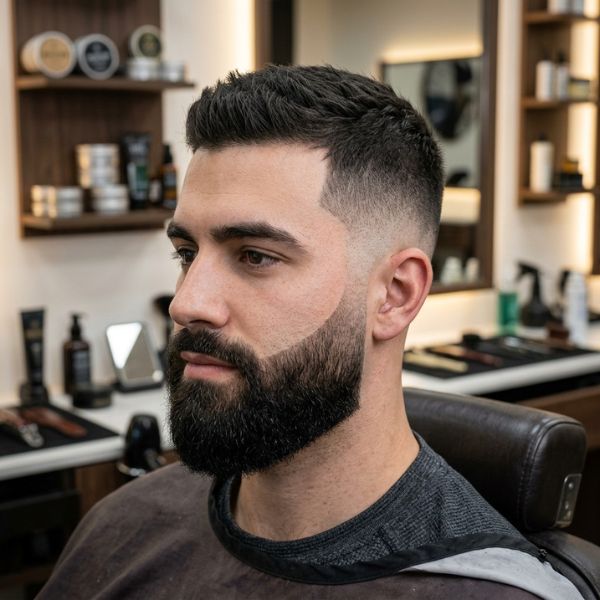
The fade connects into a trimmed beard for a cohesive, well groomed look. Keeping both the beard and the fade sharp at the same time gives the whole style structure.
Read more: Messy French Crop Haircuts: Fast Style, Sharp Results
Low Fade Crew Cut with Line Up
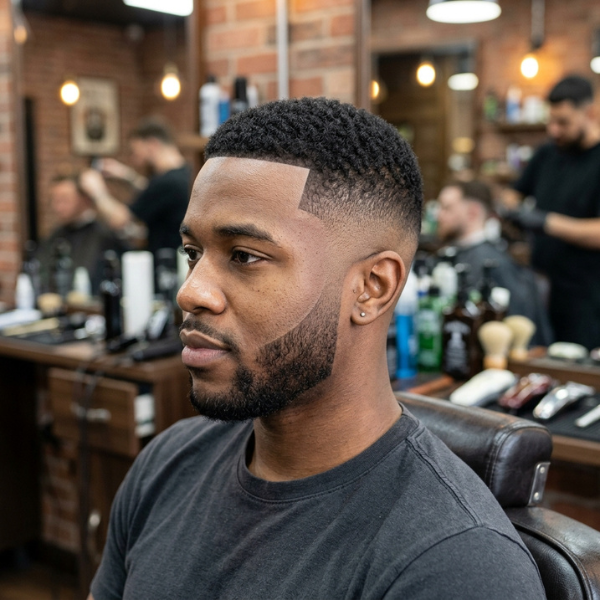
A crisp line traces the front hairline, temples, or both. This adds definition and gives an already clean cut an even more finished edge.
Low Fade Crew Cut with Hard Part
A shaved line separates the top from the side, often used to create a visible part without a comb. It adds a graphic, modern detail to a simple cut.
Straight Hair Low Fade Crew Cut
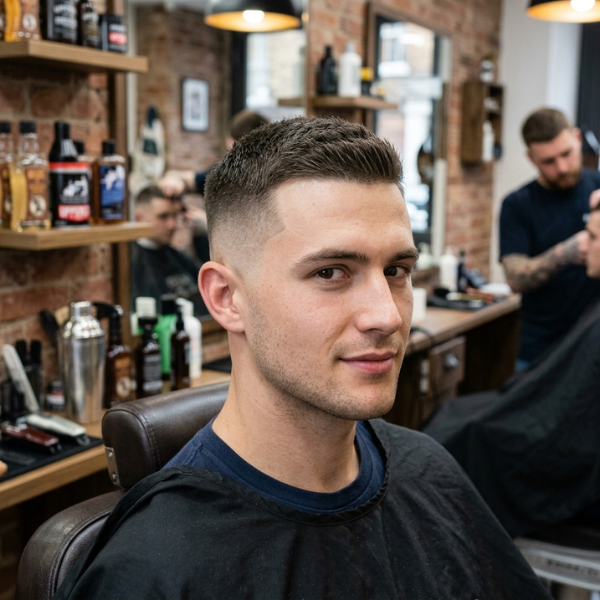
Straight hair pairs naturally with this cut since the sides stay controlled and the top can be styled forward, up, or textured depending on preference.
Wavy Low Fade Crew Cut
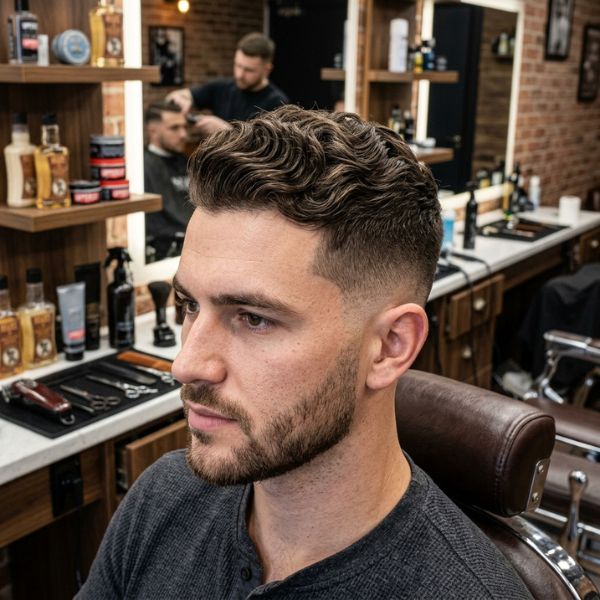
The fade reduces bulk at the sides so natural waves stay visible on top instead of getting lost in extra volume.
Curly Low Fade Crew Cut
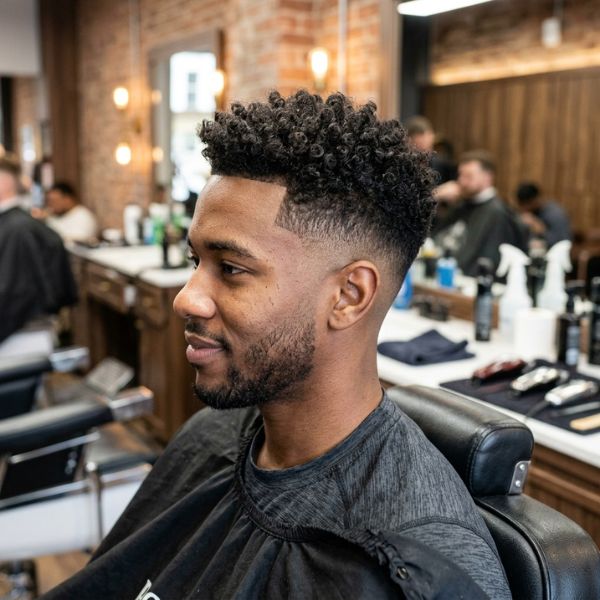
Curls stay defined when the crown is kept flatter and the sides are faded close. This shape keeps curls neat instead of expanding outward.
Barber Script
Walking into a barbershop without the right words can lead to a cut that misses the mark. Use this script, or a version close to it, to communicate exactly what you want:
“I’d like a low fade crew cut. Keep the top short and tidy, around one inch, with light texture. True low blend starting at the temple and nape, nothing higher. Keep the crown flat. Neckline can be natural or a V shape, your call. I’d also like a line up along the front” (add “and a hard part” or “connect it into my beard” if those apply to you).
Being specific about guard numbers, fade height, and finishing details removes guesswork and gives your barber a clear target.
Read more: Straight Hair Mullet Guide 2026: Styles, Fade, and Easy Care
Quick Styling Steps
This cut is designed to be fast. A basic routine takes under five minutes:
- Start with damp, towel dried hair, not soaking wet.
- Apply a small amount of matte paste or light pomade, about the size of a pea.
- Work the product through the top only, avoiding the faded sides.
- Use your fingers to push hair slightly forward or up for texture, depending on your preferred finish.
- Let it air dry for a natural look, or use low heat from a blow dryer for extra lift.
Skip heavy gels if you want a matte, natural finish rather than a shiny one.
Photos and Description
Bring reference photos to your appointment whenever possible. A single image communicates fade height, top length, and texture faster than words alone, and it helps avoid mismatched expectations. Look for photos taken from the side and back, not just the front, since the fade height and neckline shape are hardest to judge from a straight on angle. If your hair type differs from the photo, mention that too. A style shown on straight hair will behave differently on wavy or curly hair, even with the same clipper guards and fade height.
FAQs
How often should I get a low fade crew cut trimmed?
Every two to three weeks keeps the blend sharp, since the low fade line shows regrowth faster than higher fades.
Does a low fade crew cut work with thick hair?
Yes, thick hair actually blends well since the fade removes bulk at the sides while the top keeps its natural body.
Can I get a low fade crew cut without a beard?
Absolutely. The cut stands on its own and does not require a beard to look finished.
Is a low fade crew cut good for a first time fade?
Yes, it is one of the most beginner friendly options because the subtle blend forgives small imperfections better than a high fade.
What guard number is used for a low fade?
Barbers typically start around a 0 or skin blade near the base and blend up through 1, 2, and 3 guards depending on desired contrast.
Conclusion
A low fade crew cut hits a rare balance: sharp enough for a job interview, relaxed enough for a weekend, and simple enough to maintain without daily effort. Whether you lean toward the classic version, a textured finish, or a skin fade with a beard connection, the core formula stays the same. Short, tidy top. Low, controlled blend. Clean edges. Bring the barber script from this guide to your next appointment, pick the variation that fits your hair type and face shape, and you’ll walk out with a cut that looks good from day one through day twenty.

Zaria Rhodes is the lead editor and content curator at Lyrinexa, passionate about music, storytelling, and lyrical expression. With a deep love for discovering the meaning behind songs, she brings clarity, creativity, and accuracy to every post. Zaria is dedicated to providing readers with authentic lyrics, thoughtful interpretations, and a seamless music-exploration experience.
