


Finding a boys mullet haircut that a kid actually wants and a school will actually allow isn’t always easy. Buzz cuts feel boring. Anything with real length or a bold fade can trigger a dress code complaint by Monday morning. That’s exactly why the boys mullet haircut sits in that gap, and why so many parents are asking for it by name in 2026.
It keeps the front and sides short and tidy, then lets the back carry a bit of length and character. It works on straight hair, wavy hair, and tight curls without needing a different cut for each. It holds up under a bike helmet, survives recess, and still looks put together in a school photo.
This guide breaks down what the modern boys mullet haircut actually looks like, twelve popular styles to bring up with a barber, how to pick the right one by age and hair type, and the simple care routine that keeps it sharp between trims.
What Is a Boys Modern Mullet
A boys modern mullet is a haircut where the top and sides stay short while the back is left noticeably longer. It’s the classic “short in front, long in back” shape, but the execution today is far cleaner than the version parents remember from old photographs.
Modern barbers blend the sides into the length using a fade or taper instead of a hard, choppy line. The crown gets a light texture so it doesn’t sit flat, and the back is layered rather than left blunt, which lets it move naturally instead of hanging like a stiff tail. The result reads as a deliberate, styled haircut rather than an accident that grew out unevenly.
A few things separate the modern take from the retro one:
- The blend between short and long is gradual, not a sudden drop-off
- Sides are usually faded or tapered instead of just trimmed with scissors
- The top carries texture, giving it shape even without heavy styling
- The back length is proportional to the child’s age and hair density, not just “as long as possible”
Parents like it because it still looks presentable for school photos and family events. Kids like it because it stands out from the standard buzz cut or side part that most of their classmates are wearing. That combination is exactly why the style has stuck around instead of fading as a one season trend.
How to Choose the Right Version
Not every mullet style suits every kid, and picking blind from a photo often leads to a redo two weeks later. A few practical factors narrow it down fast.
Hair type matters most. Straight hair holds a crisp fade line and sharp part, so it suits the more structured versions. Wavy hair adds natural movement and works well with lighter layering. Curly hair needs a cut built around its natural pattern instead of one that fights it, since forcing curls into a straight-hair shape usually looks uneven within a few days.
Age changes what’s practical. Younger boys, roughly toddler through early elementary age, generally do better with shorter, tidier versions since they grow out faster and have less patience for styling routines. Older boys and teens can handle more back length and a bolder fade because they can maintain it and are more likely to want the look to make a statement.
Lifestyle should guide the final call. A boy who plays sports every day needs clean, short sides that sit comfortably under a helmet without bunching. A boy who mostly wants a stylish everyday look has more room to go longer on top and in the back.
School policy is worth checking first. Some schools have rules against dramatic length, shaved patterns, or extreme contrast fades. A softer taper instead of a skin fade keeps the cut inside most dress codes while still delivering the mullet shape.
Bring one or two reference photos to the barber and mention hair type, age, and how much daily styling time is realistic. That short conversation prevents most of the “this isn’t what I asked for” moments.
The Best Boys Mullet Haircut Variations
There isn’t one correct boys mullet. There are dozens of variations, and the right one depends on hair texture, age, and how much upkeep a family actually wants to commit to. Here are twelve of the most requested versions for 2026.
1) Classic Boys Mullet

Tidy sides, a bit of texture on top, and a back that stops around the collar. It’s the easiest version to describe to a barber and the easiest to grow out or trim shorter later if it isn’t a hit. If this is the first mullet, this is the safest starting point.
2) Boys Mullet Fade
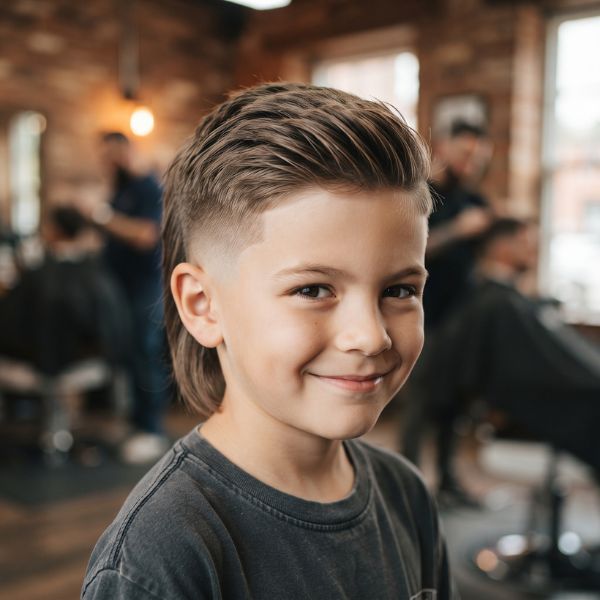
This version pairs the classic shape with a clean fade on the sides, usually a mid or high fade that blends smoothly into the top. It reads sharper and more structured than the classic cut, and it holds its shape well between trims since the fade grows out more evenly than a scissor cut.
3) Short Mullet Haircut Boy
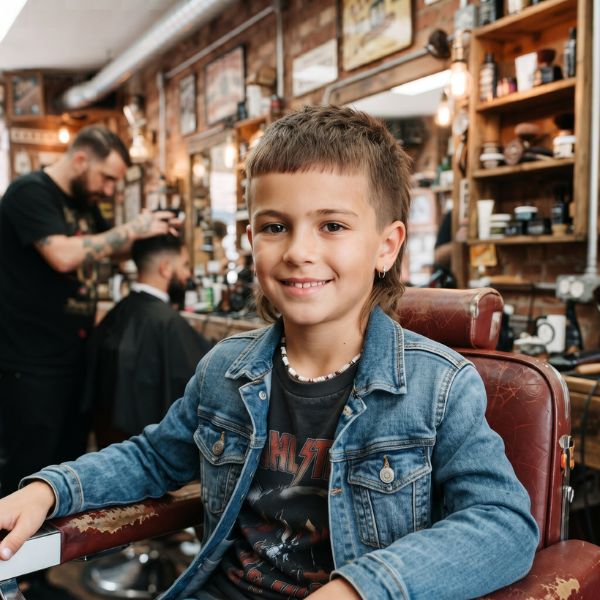
For families who want the look without full commitment, this trims the back down to a subtle flick instead of a long tail. There’s less hair to catch on collars or get tangled during sports, making it a solid pick for very active kids or a first attempt at the style.
4) Curly Boys Modern Mullet
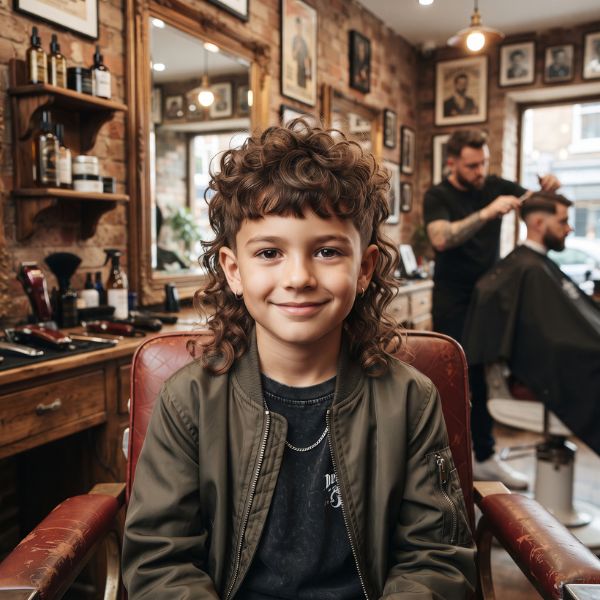
Built specifically around a natural curl pattern instead of forcing curls flat. The barber shapes the curls at the crown and lets the back grow with minimal thinning, which keeps the volume that makes curly hair look full rather than sparse.
5) Boys Modern Mullet Straight Hair
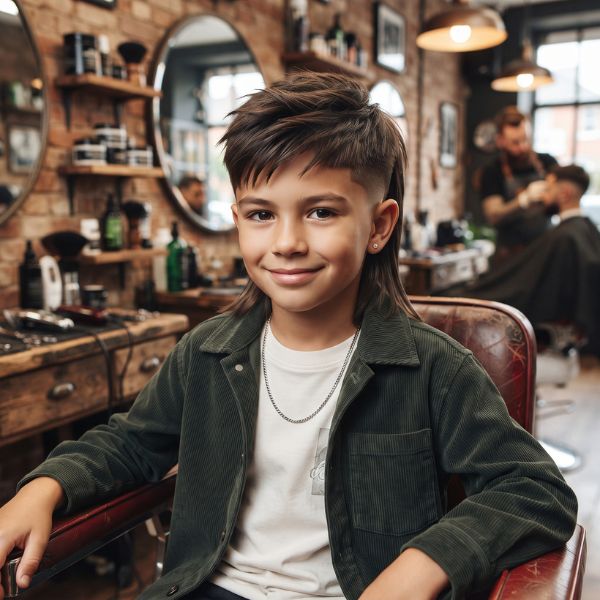
Straight hair holds the sharpest version of this cut. The line between the short sides and the longer back stays crisp, and a defined part or texture on top adds contrast. This version usually needs the least daily effort since straight hair naturally falls into place.
Read More: Jameliz Smith Height Revealed: How Tall Is She in 2026?
6) Tapered Modern Mullet Haircut Boy

A softer alternative to a skin fade, the taper gradually shortens the hair toward the neckline without exposing skin. It’s a good middle ground for schools that don’t allow dramatic fades but still want a clean, graduated look on the sides.
7) Burst Fade Boys Mullet Haircut

The burst fade curves around the ear in a circular shape instead of a straight line, giving the cut a rounder, more dynamic silhouette. It’s popular with older boys and teens who want their haircut to stand out at school without going overboard.
8) Sporty Medium Mullet

Designed for kids who never sit still. The sides stay clean enough for helmets and caps, while a medium length back handles sweat and movement without falling apart. It dries quickly and needs almost no restyling after activity.
Read More: Katie Zacharia: Her Age, Family, Political Career and Net Worth
9) Wavy Surfer Mullet for Boys
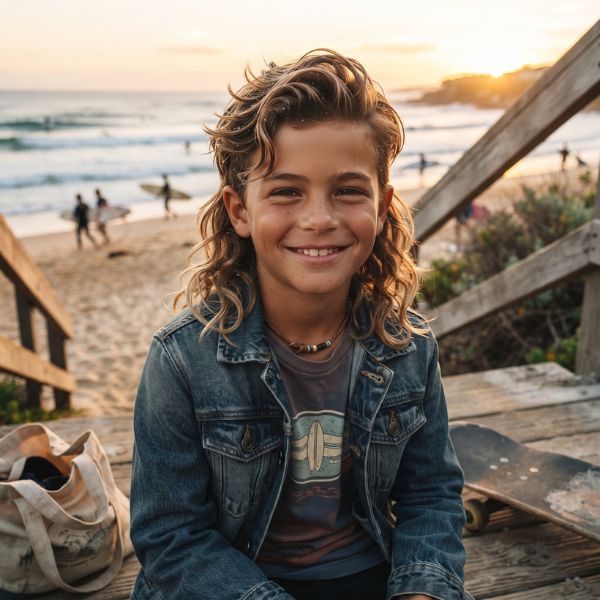
A relaxed, beachy take that works with a natural wave pattern instead of straightening it out. A little sea salt spray and air drying gives it that effortless, sun-faded texture without any heat styling involved.
10) Fringe Mullet

Bringing hair forward into a fringe changes the whole feel of the cut, softening the forehead and adding texture at the front. It works especially well for finer hair, since the fringe gives the impression of more density without extra product.
11) Low Fade Modern Mullet
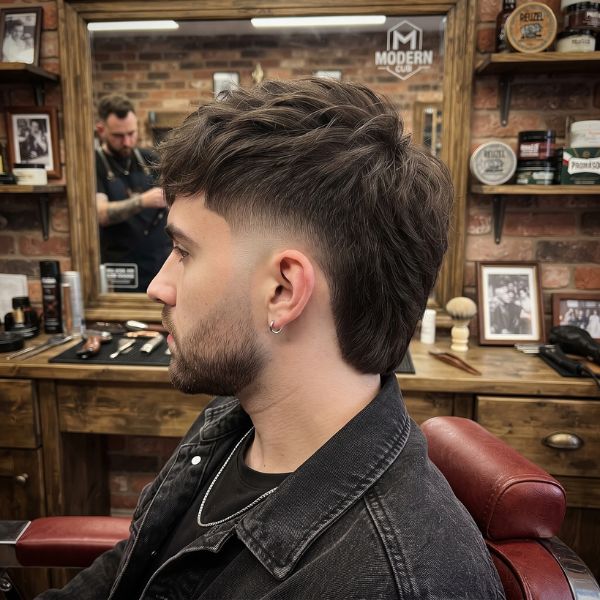
Instead of placing the fade high on the head, this version keeps the sharpest contrast right near the ear, leaving more length above it for a gentler transition. It’s a subtler option for boys who want the mullet shape without a bold fade statement.
12) Longer Back, School Safe
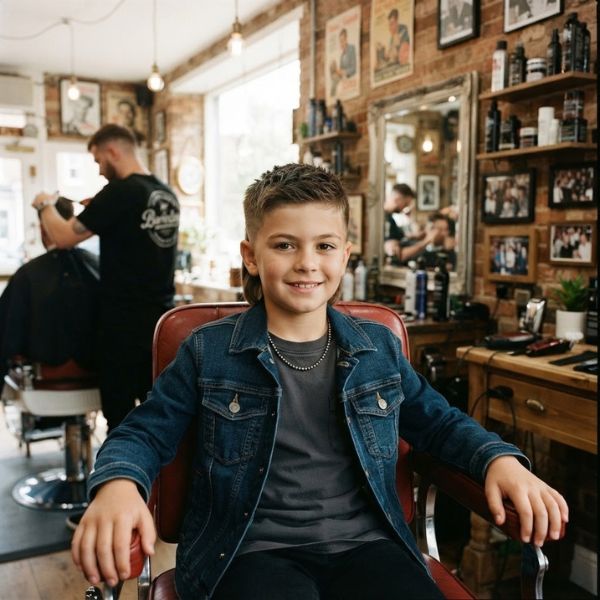
This version keeps enough back length to show off the mullet silhouette while staying inside most school dress codes. Sides remain short and tidy, the fade stays soft rather than dramatic, and the overall look reads as neat rather than rebellious.
Read More: Low Fade Crew Cut Hairstyles: Clean, Modern, Easy
Quick Age and Care Guide
Different ages call for different lengths and trim schedules, and matching the two keeps the cut looking intentional instead of overgrown.
- Toddlers (roughly 2 to 5): Keep the back short and the sides simple. Shorter length grows out more evenly and needs less frequent trims, which matters for kids who don’t sit still in a barber chair.
- Elementary age (roughly 6 to 10): A moderate back length with a soft taper works well. This age group can usually handle basic daily styling with a parent’s help.
- Preteens and teens (11 and up): Bolder fades, longer back sections, and more texture are realistic here, since older kids can maintain the look themselves and are more invested in how it turns out.
As a general rule, trim the sides and neckline every three to four weeks and let the back grow between full cuts, trimming it only when it starts looking uneven or the ends split.
Daily Styling That Kids Can Do
One of the best things about this cut is that most boys can style it themselves once they learn a simple routine.
- Towel dry gently after washing, especially with curly or wavy hair, to avoid frizz.
- For straight hair, mist a small amount of sea salt spray at the roots, then dry on a low heat setting while lifting the roots with fingers for volume.
- For curly hair, apply a lightweight curl cream to damp hair and let it air dry or diffuse on low heat.
- Finish with a small amount of matte clay worked through the top and back to define texture without looking greasy.
The whole routine takes under five minutes, which matters on a rushed school morning. Avoid heavy gels or waxes on kids’ hair since they tend to look stiff and can be harder to wash out completely.
Care and Upkeep
A mullet only looks intentional if it’s maintained on a schedule. Left alone too long, the contrast between the short top and long back starts to blur, and the whole cut looks messy instead of styled.
- Book a trim every three to four weeks for the sides and neckline to keep the fade or taper sharp.
- Let the back grow for longer stretches, trimming only the ends every couple of months to remove split ends without losing length.
- Use a mild shampoo two to three times a week rather than daily, since over-washing can dry out the longer back section.
- Add a leave-in conditioner or light detangler on the back portion, especially for wavy or curly hair, to prevent knots.
- Skip heavy heat styling tools on kids’ hair. A low heat setting on a blow dryer is usually enough.
Consistency matters more than any single product. A cut that gets trimmed on schedule and washed with the right frequency will look sharp for weeks longer than one that only gets attention right before the next haircut.
Barber Talk That Works
Vague requests lead to disappointing results. Walking in and saying “just do a mullet” leaves too much open to interpretation. Instead, be specific about these details:
- The exact back length wanted, described in inches or by comparison to a reference photo
- Whether the sides should be a skin fade, a soft taper, or simple scissor trimming
- How much texture to leave on top, since a flatter top reads more classic while a textured one looks more modern
- Any school restrictions that rule out extreme fades or shaved designs
- How much daily styling time is realistic, since that affects how much layering the barber should build in
Bringing two or three reference photos and stating the child’s hair type upfront saves time and avoids the most common miscommunications between what a parent pictures and what a barber delivers.
FAQs:
How often should a boy’s mullet be trimmed?
Trim the sides and neckline every three to four weeks, and only trim the back when it starts looking uneven or the ends split.
Does the boys mullet work for curly hair?
Yes, curly hair actually adds natural volume and texture to the style when the cut is shaped around the curl pattern instead of against it.
Is a boys mullet allowed at most schools?
Softer versions with a gentle taper and moderate back length usually meet school dress codes, though it’s worth checking specific rules before booking a dramatic fade.
What age is best for a first mullet haircut?
There’s no strict minimum age, but shorter, lower maintenance versions work best for toddlers and young kids, while bolder styles suit preteens and teens who can maintain them.
What products does a boys mullet need?
A lightweight sea salt spray for texture, a small amount of matte clay for hold, and curl cream for curly or wavy hair cover most daily styling needs.
Will a mullet haircut suit fine hair?
Yes, though shorter layers on top and a fringe or textured front tend to work better than heavy length, since fine hair can look flat under too much weight.
Conclusion
The boys mullet haircut earns its spot as one of the standout kids’ cuts of 2026 because it solves a real problem: it looks bold enough to feel exciting while staying tidy enough for school. It adapts to straight, wavy, and curly hair, scales up or down based on age, and takes only a few minutes of daily styling once the basics click.
Start with a version that matches hair type and lifestyle, communicate clearly with the barber, and keep up with regular trims. That’s really all it takes to keep the cut looking sharp, whether it’s for a school photo, a weekend outing, or just because a kid wants a haircut that feels like his own.

Zaria Rhodes is the lead editor and content curator at Lyrinexa, passionate about music, storytelling, and lyrical expression. With a deep love for discovering the meaning behind songs, she brings clarity, creativity, and accuracy to every post. Zaria is dedicated to providing readers with authentic lyrics, thoughtful interpretations, and a seamless music-exploration experience.

1 thought on “Boys Mullet Haircut: Styles, Fades, and Care Guide (2026)”