


A low fade crew cut pairs a short, tidy top with a soft blend that starts just above the ear, giving you one of the easiest men’s haircuts to wear every day. It works with straight, wavy, and curly hair, needs little product, and holds its shape between trims better than most short styles.
This guide breaks down who it suits, how face shape and hair type change the details, twelve variations you can bring to your barber, the exact wording to use in the chair, and a simple styling routine. Whether you want something classic or a bit more textured, you’ll find a version here that fits.
What Is a Low Fade Crew Cut
A crew cut keeps the top short, usually between half an inch and one and a half inches, with enough length to comb or brush into shape. The sides and back stay short too, but a low fade adds a gradual blend that begins around the ear line and nape, then fades upward into the top.
Unlike a mid or high fade, the transition zone sits lower on the head. That keeps the contrast subtle instead of dramatic. Barbers usually work the blend with clippers and guard numbers, switching to scissor over comb near the top to soften the line between the fade and the longer hair.
Because the fade sits low, the cut reads as polished rather than edgy. It’s the version most workplaces and schools accept without question, which is a big reason it stays popular year after year.
Read More: Hermine Poitou: The Mystery Behind Minimalism
Who It Suits
This cut flatters nearly every man, but it particularly favors:
- Men who want a sharp look without a bold, high contrast fade
- Anyone in a formal or conservative workplace
- Guys with thinning hair, since the short sides reduce visible contrast with the scalp
- Active men who need a style that survives sweat, hats, and humidity
- First timers trying a fade, since the low blend forgives small barber errors better than a high fade does
Teenagers and older men both wear it well because the proportions stay balanced rather than trendy or severe.
Face Shapes and Hair Types
Small adjustments to length and blend height help the cut sit better on different face shapes.
| Face Shape | Recommended Adjustment |
| Round | Add height on top, keep the fade tight near the temple |
| Square | Keep edges soft, avoid sharp lines at the corners |
| Oval | Almost any version works, minimal changes needed |
| Long | Keep the top shorter, avoid excess height |
| Diamond | Slightly rounded top softens strong cheekbones |
Round faces benefit from vertical length because it elongates the face slightly. Square jaws look sharper with a straight hairline but softer temples. Long faces should avoid extra height on top since that stretches the face further, while oval faces have the most flexibility because the proportions are already balanced.
Hair type matters just as much as face shape:
- Straight hair tends to sit flat, so a little texture or a light product helps the top hold shape.
- Wavy hair benefits from the fade because it removes bulk at the sides, letting natural movement show on top.
- Curly hair looks best when the crown stays relatively flat and the curls are allowed to show through on top, since flattening curls completely can look stiff.
- Thick hair needs the sides thinned so the fade doesn’t look bulky against the shorter blend.
- Fine hair gains the appearance of density from the shorter sides, which make the top look fuller by contrast.
Edges and Details
The finishing touches separate an average haircut from a genuinely sharp one. A barber will typically clean up:
- The hairline across the forehead, kept natural rather than perfectly straight for most face shapes
- The sideburns, trimmed level and squared off
- The nape, blended rather than left with a hard line
- The ears, lined for a crisp outline
Ask for a “natural” or “soft” hairline if you want it to look less like a fresh haircut and more like it’s simply grown in well. A defined, straight hairline reads sharper but grows out faster and needs more frequent trims to stay neat.
12 Variations Low Fade Crew Cut Hairstyle
The low fade crew cut isn’t a single look. It’s a base style that adapts to texture, facial hair, and personal taste. Below are twelve popular takes worth discussing with your barber.
Classic Low Fade Crew Cut
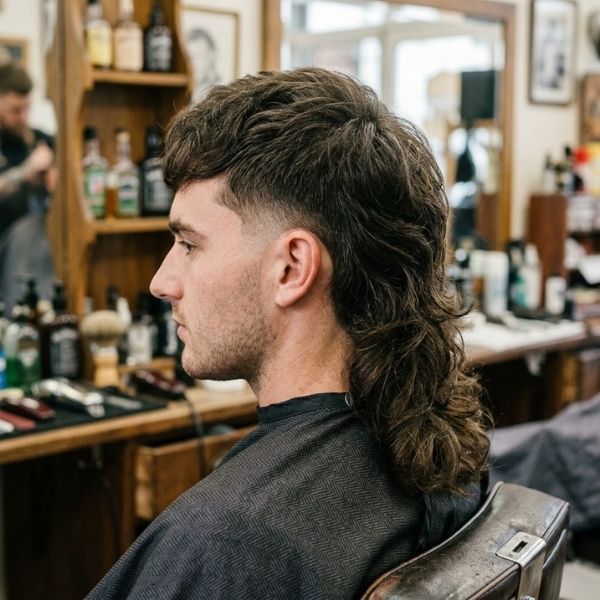
This is the standard version: short, even top around one inch, a low blend starting just above the ear, and a natural part or brushed forward finish. It’s the safest option for offices, interviews, and everyday wear, and it needs almost no styling beyond a quick comb.
Textured Low Fade Crew Cut

Here the top is cut with more movement, using point cutting or texturizing shears so individual strands separate rather than lying flat. A small amount of matte paste brings out the texture without adding shine, giving the cut a more casual, modern finish.
Messy Low Fade Crew Cut
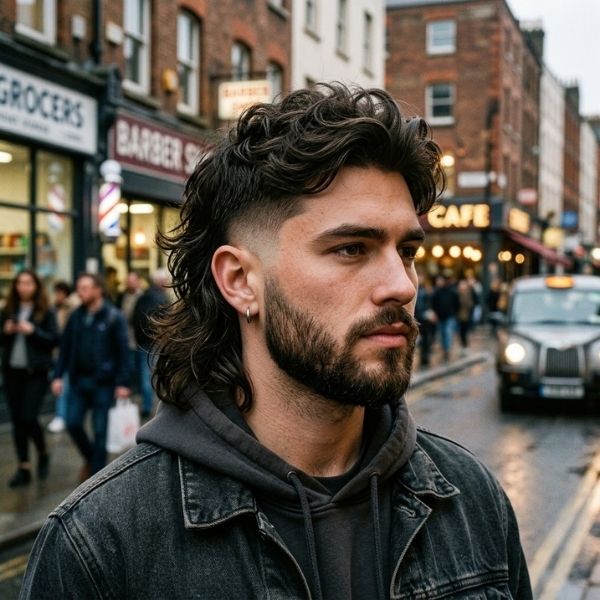
The top is left slightly longer, around one and a half inches, and styled with fingers rather than a comb for a relaxed, undone look. The key is keeping the crown flat and the outline clean, so the style reads as intentional rather than unkempt.
Skin Low Fade Crew Cut
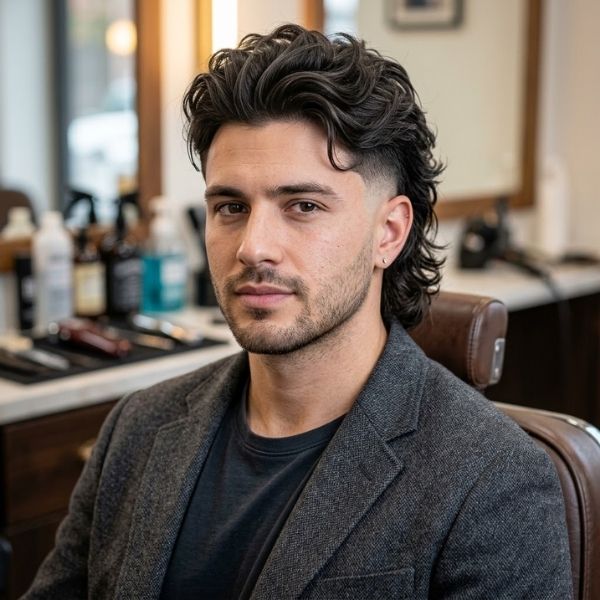
Also called a bald fade, this version drops all the way to bare skin at the base before blending upward. It creates the sharpest contrast of all the variations and makes the jawline look more defined, but it grows out faster than a soft blend and needs trims every two to three weeks to stay crisp.
Drop Low Fade Crew Cut

Instead of following a straight line around the head, the fade curves downward behind the ear. This keeps bulk from building up at the back of the head, which suits rounder head shapes and adds a slightly more stylized, modern silhouette compared to a standard straight fade.
Buzz Crew Cut Low Fade

This pairs a very short, uniform top, usually a guard two or three, with a close low fade at the sides. It’s the lowest maintenance option on this list, ideal for sports, physical jobs, or hot climates where longer styling isn’t practical.
Low Fade Crew Cut with Beard

Pairing the cut with a well groomed beard creates a balanced, masculine look, since the short top and beard frame the face from both directions. Barbers usually blend the fade into the beard line so there’s no visible gap between the two, which takes a bit more skill but looks far more polished.
Read More: Mid Burst Fade Best Styles, How to Ask, and Easy Care 2026
Low Fade Crew Cut with Line Up
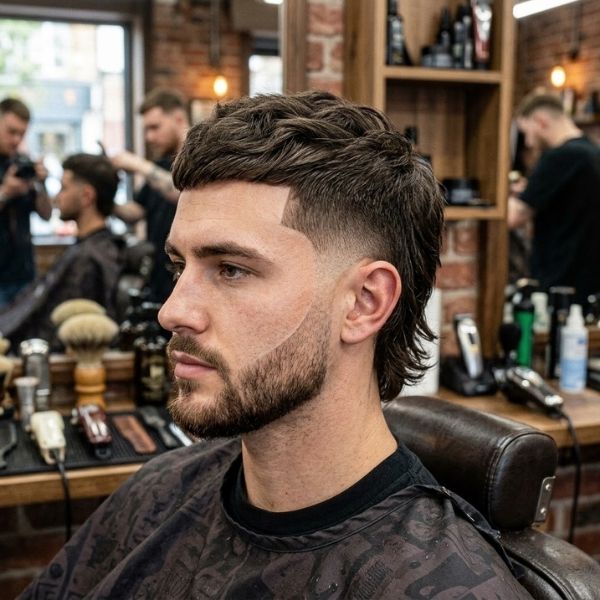
A line up adds a crisp, straight edge along the hairline and temples using clippers or a straight razor. It sharpens the entire look and is especially popular with coarser or curlier hair types, where a defined edge contrasts nicely against natural texture on top.
Low Fade Crew Cut with Hard Part
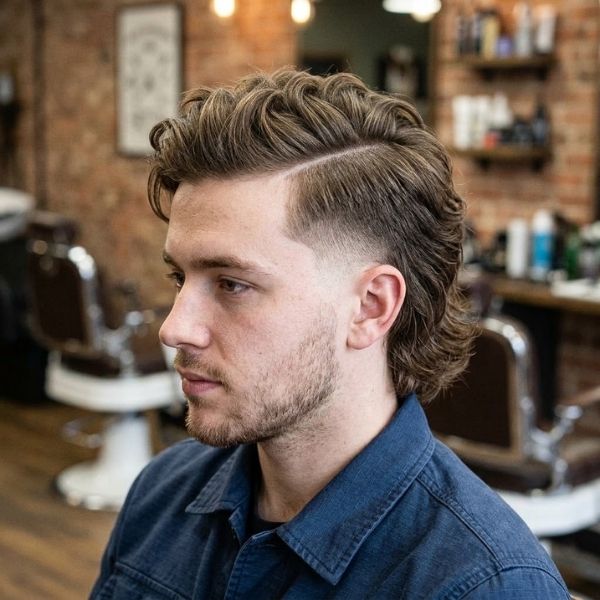
A hard part is a shaved line separating the top section from the fade, usually running from the temple back. It adds a graphic, deliberate detail to an otherwise simple cut and works particularly well with straight or wavy hair that holds a comb line easily.
Straight Hair Low Fade Crew Cut
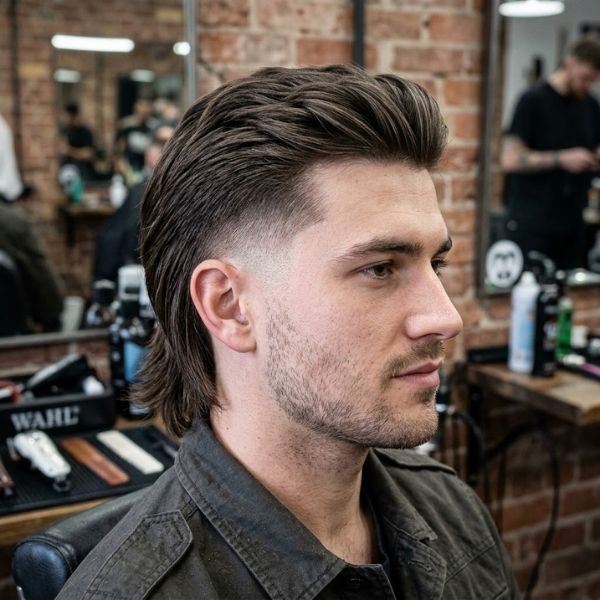
Straight hair sits close to the head naturally, so this version often uses a slight length increase on top, around one to one and a half inches, plus a light pomade or clay to prevent the strands from looking flat under light.
Wavy Low Fade Crew Cut
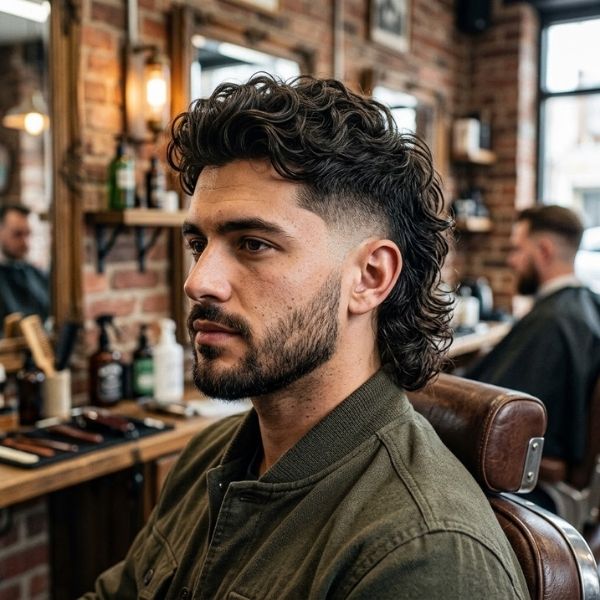
Wavy hair adds natural texture without much effort. The fade removes bulk from the sides while the top is left just long enough for the waves to show, usually styled with a light cream to define movement without weighing the hair down.
Curly Low Fade Crew Cut

For curly hair, barbers often cut with shears rather than clippers on top to avoid disrupting the curl pattern. A curl defining cream or gel helps maintain shape through the day, and the low fade keeps the sides controlled without fighting the natural curl.
Read More: 15 Best Wavy Mullet Haircuts That Are Trending in 2026
Barber Script
Knowing what to say in the chair makes a real difference in the outcome. Try something close to this:
“I’d like a low fade crew cut. Keep the top around one to one and a half inches, cut with scissors, not clippers. Start the fade about an inch above my ear and blend it down to the skin at the neckline. Keep the hairline soft and natural, not a hard line. Please clean up my sideburns and neckline to match.”
If you want a specific variation, name it directly, for example asking for a “textured low fade crew cut with a natural hairline” or a “skin low fade crew cut with a beard blend.” Giving a guard number for the sides, typically a one or two for a low fade, also helps avoid miscommunication.
Quick Styling Steps
Daily styling takes only a few minutes:
- Start with damp, towel dried hair, not soaking wet.
- Apply a small, dime sized amount of matte paste, clay, or light pomade depending on your hair type.
- Work the product through with fingers, focusing on the top section.
- Blow dry briefly on a low heat setting while lifting the roots for volume, or air dry for a more relaxed look.
- Comb or finger style into your preferred direction, forward, side swept, or textured.
- Finish with a light hold spray if you need the style to last through a long day.
Reapply product sparingly. Too much weighs the top down and can make short hair look greasy rather than styled.
Photos and Description
Visual reference matters more than words when explaining a haircut. Bring two or three photos to your appointment that show the exact top length, fade height, and hairline style you want, ideally from different angles including the side and back.
A single front facing photo often leaves out the details that matter most, like how high the fade sits or whether the hairline is straight or rounded. If you can’t find a close match, describe the length in inches or clipper guard numbers rather than vague terms like “short” or “medium,” since those mean different things to different barbers.
Conclusion
The low fade crew cut earns its popularity by being genuinely easy to wear. It suits nearly every face shape and hair type, fits any setting from the office to the gym, and takes only minutes to style each morning.
Whether you lean toward the classic version, a textured finish, or something bolder like a skin fade with a beard blend, the twelve variations above give you a solid starting point. Bring reference photos, use the barber script as a guide, and keep up with regular trims, and this cut will stay sharp with very little effort on your part.
FAQs
How often should I get a low fade crew cut trimmed?
Every two to three weeks keeps the fade sharp, since the blend grows out faster than the top.
Does a low fade crew cut work with thinning hair?
Yes, the short, even sides reduce contrast with the scalp, which makes thinning far less noticeable.
Can I style a low fade crew cut without product?
Yes, though a small amount of paste or clay helps the top hold shape and resist looking flat.
Is a low fade crew cut good for curly hair?
Yes, curls sit well on top while the low fade keeps the sides controlled and neat.
What’s the difference between a low fade and a skin fade crew cut?
A low fade blends gradually near the ear, while a skin fade drops all the way to bare skin before blending upward.

Zaria Rhodes is the lead editor and content curator at Lyrinexa, passionate about music, storytelling, and lyrical expression. With a deep love for discovering the meaning behind songs, she brings clarity, creativity, and accuracy to every post. Zaria is dedicated to providing readers with authentic lyrics, thoughtful interpretations, and a seamless music-exploration experience.

2 thoughts on “Low Fade Crew Cut Hairstyles: Clean, Modern, Easy”