


The low taper fade haircut black men choose most often blends natural texture with a clean, professional finish. It’s the easiest style to maintain while keeping waves, curls, afros, or locs looking sharp between barber visits. Walking into a barbershop without the right words can turn a simple trim into a haircut you didn’t ask for. That’s especially true with a cut as detailed as the low taper fade, where a small shift in fade height changes the entire look.
This guide breaks down exactly what a low taper fade is, how it works with every Black hair texture from waves to locs, which version suits your face shape, and how to describe it to your barber so you get it right the first time. Whether you’re chasing crisp 360 waves, want your afro to sit fuller on top, or you’re pairing the fade with braids or beard work, you’ll find a version of the low taper fade built for it. Let’s get into it.
What Is a Low Taper Fade for Black Men?
A low taper fade is a haircut where the hair gradually shortens only near the bottom of the head, around the sideburns, ears, and neckline, while the rest of the sides keep most of their natural length. The fade sits low, usually starting below the temple line, so the majority of your top texture stays untouched and visible.
Unlike a skin fade, a taper doesn’t have to drop all the way down to bare scalp. It can get tight near the very edge, but the blend stays compact and controlled rather than sweeping up the whole side of the head. That makes it one of the more forgiving fades to grow out between appointments.
For coily and curly hair types (typically 3B through 4C), this placement matters more than it does on straighter hair. Keeping bulk on the sides protects the curl pattern and prevents the sides from looking thin or patchy as the hair grows. A low placement gives you a clean, groomed edge without sacrificing the volume that makes textured hair look full and healthy.
Low Taper Fade vs Other Fades on Black Hair
It helps to see the low taper fade next to its closest relatives so you know exactly what you’re asking for.
- Low taper fade: Fading stays below the temple, close to the ears and neckline. Softer transition, more length retained on the sides.
- Low skin fade: Same low starting point, but the fade drops all the way to the skin instead of blending into short hair.
- Mid taper fade: Starts around the mid-temple area, roughly halfway up the side of the head, for a more noticeable contrast.
- High taper fade: Begins much higher, near the crown, creating the boldest, sharpest look with the least amount of side hair.
If you want a cut that reads as clean and professional without dramatically changing your silhouette, the low taper is usually the safer starting point. If you want more contrast and don’t mind more frequent touch-ups, mid or high fades deliver that edge.
Why Low Taper Fades Work So Well for Black Hair
There are a few practical reasons this cut has become one of the most requested styles in Black barbershops.
- It protects natural texture. Waves, coils, and curls need a certain amount of length and density to hold their pattern. A low taper keeps enough hair on the sides that the texture never looks flattened.
- It grows out gracefully. Because the fade line sits low, regrowth is far less noticeable than it is with a high fade, so you can stretch time between barber visits.
- It works with almost every top style. Afros, twists, locs, braids, and buzz cuts all sit comfortably above a low taper without fighting the fade line.
- It suits nearly every face shape. Since the fade doesn’t dramatically alter the head’s overall proportions, barbers can adjust the top length to balance almost any face.
- It pairs cleanly with beard work. The gradual blend from faded sides into a full beard looks seamless rather than choppy.
Top Variations of Low Taper Fade Haircut Black Male Hairstyles
The low taper fade isn’t one haircut. It’s a foundation that adapts to whatever texture, length, or styling direction you want on top. Below are the most popular directions Black men are taking it in 2026.
Short & Buzz-Cut Low Taper Fades
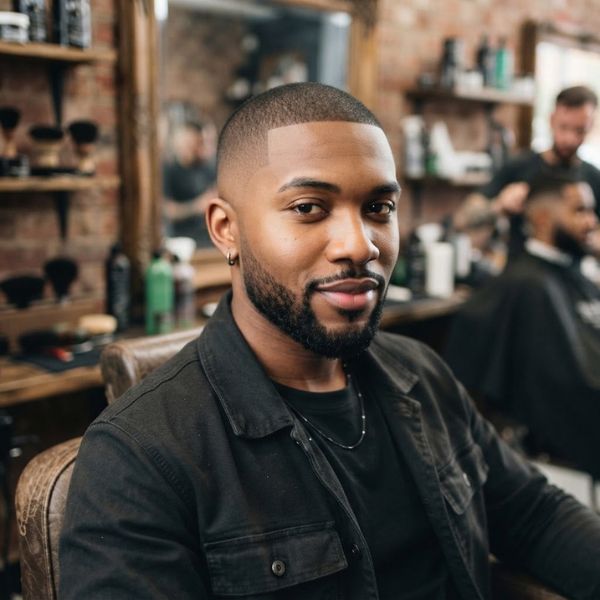
This is the lowest-maintenance version of the cut. The top stays between a quarter inch and one inch, just enough to show your natural curl or coil pattern without adding bulk. It works on virtually every hair type and face shape because the silhouette is so neutral. It’s the go-to choice for men who want a sharp look without a morning styling routine.
Waves, 360 Waves & Coils

Pairing a low taper with waves is one of the most iconic combinations in Black grooming. The sides stay short enough to support brushing and wolfing, while the low fade keeps the perimeter neat between wave sessions. For 360 waves specifically, barbers usually keep slightly more length on top so the pattern has room to swirl toward the crown. Coils sit well on this cut too, especially when kept moisturized to prevent the ends from looking dry against the clean fade line.
Afro Tops & Shaped Afros

A short afro paired with a low taper is arguably the most timeless Black male haircut. One to two inches of natural texture on top, rounded into an even shape, contrasts nicely with the clean, tapered sides. For a bolder statement, a fuller shaped afro, three to five inches or more, creates a striking difference between the round, voluminous crown and the smooth sides. An afro pick helps maintain the shape and add lift at the roots.
Long Hair, Braids, Locs & Dreads

The low taper works exceptionally well as a base for longer styles because it doesn’t compete with what’s happening on top. Braids, whether cornrows, box braids, or two-strand twists, look sharper when the perimeter is freshly faded. Locs and dreads paired with a low taper give a striking contrast: the fade frames the face while the locs command attention on top. Regular retwists and edge touch-ups keep this combination looking deliberate rather than overgrown.
Read More: 15 Best Wavy Mullet Haircuts That Are Trending in 2026
Sponge Twists & Hybrid Textures

Sponge twists have grown in popularity because they create defined, uniform curls quickly, and they pair beautifully with a low taper. The tight, textured top balances well against the soft fade line, and this style tends to hold its shape longer than looser twist-outs. It’s a strong choice for men who want texture without daily upkeep.
Beards, Line-Ups & Designs
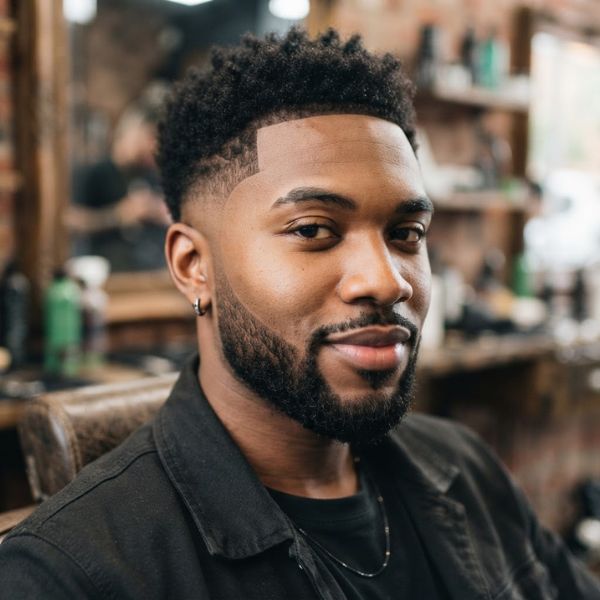
A crisp line-up along the hairline and temples sharpens any low taper fade instantly, and it’s one of the most common add-ons barbers offer. Pairing the fade with a well-groomed beard creates a seamless transition from faded sides into facial hair, which reads as polished and intentional. Some men also add subtle hair designs, a part line or small shaved pattern near the temple, for extra personality without overwhelming the overall cut.
Mohawk, FRO hawk & Mid Low Taper
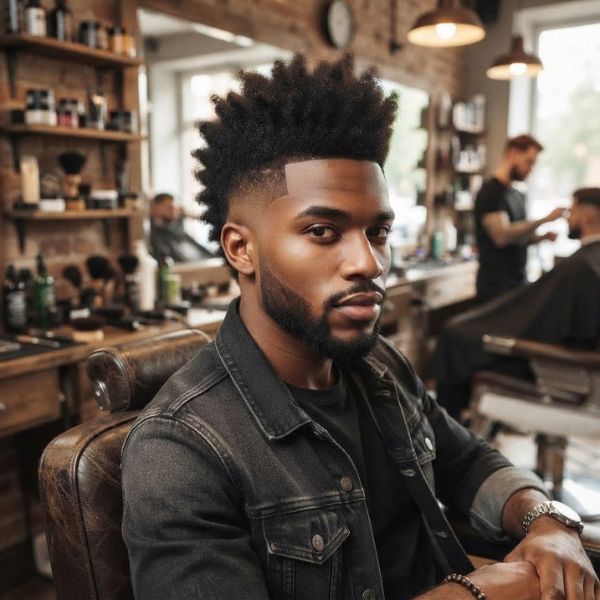
For something bolder, a frohawk (an afro shaped into a raised strip down the center) or a mohawk built on a low taper base adds height and edge without going extreme. The low fade keeps the look grounded even though the top is doing something more dramatic. A mid low taper, where the fade sits slightly higher than a classic low position, gives a touch more visible contrast around the temple while still preserving side bulk. It’s a solid middle ground for men who want more definition without committing to a high-contrast fade.
Read More: Low Fade Crew Cut Hairstyles: Clean, Modern, Easy
Best Low Taper Fade Black Male for Different Face Shapes
Your face shape plays a bigger role in how a haircut looks than most people realize. The good news is the low taper fade is flexible enough to work with nearly any face shape once the top length and styling are adjusted correctly.
- Round faces: Add height on top with a shaped afro, frohawk, or textured curls. Avoid keeping the sides too round, since that can widen the face further.
- Square faces: A low taper works naturally well here because it keeps the strong jawline visible while softening the sides slightly.
- Long or oval faces: Keep more fullness on the sides and a slightly softer taper. This adds width rather than length, balancing out an elongated face.
- Heart-shaped faces: A medium top length with a slightly rounded shape helps balance a wider forehead against a narrower jawline.
Quick rule of thumb: round faces benefit from vertical height, long faces benefit from side fullness, and oval faces have the most flexibility of all with a low taper fade.
How to Ask for Low Taper Fade Black Male at the Barber
Knowing how to describe this cut can save you from walking out with something far more dramatic than you wanted. Follow this simple script:
- Specify the fade placement. Say you want the fade to stay low, near the neck and temples, without climbing up the sides.
- Describe the top separately. For example, “Keep the top long enough for waves, but fade low and tight at the sides.”
- Mention your hair texture and goal. Let your barber know if you’re growing out waves, maintaining an afro, or prepping for braids or locs.
- Bring a reference photo. A photo removes guesswork and helps the barber match the exact fade height and top length you have in mind.
- Mention your face shape. This helps the barber adjust proportions on top while keeping the signature low, clean fade underneath.
- Ask about the beard blend. If you want facial hair connected to the fade, ask for a seamless blend rather than a hard line.
How to Maintain Low Taper Fade Black Male Cuts
A great cut fades fast if it isn’t cared for properly. Here’s how to keep it sharp between barber visits.
- Trim schedule: Most low taper fades need a refresh every two to three weeks, though buzz-cut versions can sometimes stretch to four.
- Moisture routine: Use a leave-in conditioner or curl cream daily to prevent dryness, especially on coily and curly textures.
- Product choice: Light creams and curl butters work better than heavy pomades for most Black hair textures, since pomades can cause product buildup over time.
- Wave care: Brush regularly in the direction of your pattern and wear a durag or wave cap at night to protect progress.
- Afro shaping: Use an afro pick a few times a week to maintain volume and prevent matting at the roots.
- Edges: Touch up your hairline and neckline every one to two weeks at home if you’re stretching time between full barber visits.
- Sleep protection: A satin bonnet or pillowcase reduces friction and keeps curls, twists, and locs from frizzing overnight.
Read More: Boys Mullet Haircut: Styles, Fades, and Care Guide (2026)
Common Mistakes & How to Avoid Them
Even a well-executed cut can lose its edge if a few small details get missed.
- Skipping moisture: Dry hair looks dull against a clean fade. Moisturize daily, especially in colder or drier climates.
- Overusing heavy products: Too much gel or pomade weighs hair down and clogs pores near the fade line. Stick to lighter creams.
- Waiting too long between trims: Letting the fade grow out past three or four weeks blurs the clean line that makes the cut work.
- Vague barber instructions: Saying only “low fade” without describing the top length or your hair goal often leads to a cut that’s more dramatic than expected.
- Ignoring face shape: Copying a style directly from a photo without adjusting for your own proportions can throw off the overall balance.
- Neglecting the beard blend: A disconnected line between the fade and beard looks unfinished. Always ask your barber to blend the two together.
FAQ’s:
Is a low taper fade good for Black hair?
Yes. It protects natural texture, works with nearly every hair type from 3B to 4C, and grows out without losing its shape quickly.
How often should I get a low taper fade touched up?
Most men need a refresh every two to three weeks to keep the fade line sharp and clean.
Does a low taper fade work with waves?
Yes, it’s one of the most popular pairings. The sides stay short enough to support brushing while keeping the perimeter neat.
Can I get a low taper fade with braids or locs?
Absolutely. The clean, low fade frames the face while braids, twists, or locs stay the focus on top.
What’s the difference between a low taper and a low skin fade?
A low taper blends into short hair near the edge, while a low skin fade drops all the way down to bare skin at the same starting point.
Is a low taper fade suitable for every face shape?
Yes, as long as the top length is adjusted. Round faces benefit from height, long faces benefit from fullness, and oval faces have the most flexibility.
Conclusion
The low taper fade earns its popularity because it does something most haircuts can’t: it works with your natural texture instead of forcing it into a different shape. Whether you’re maintaining crisp 360 waves, growing out a full afro, wearing braids or locs, or keeping things simple with a buzz cut, this fade adapts without demanding constant upkeep.
Bring your face shape, hair goals, and a reference photo into your next barber appointment, describe the fade placement and top length separately, and you’ll walk out with a cut that actually matches what you pictured. Get the details right once, and the low taper fade will carry you through 2026 looking sharp, current, and completely your own.

Zaria Rhodes is the lead editor and content curator at Lyrinexa, passionate about music, storytelling, and lyrical expression. With a deep love for discovering the meaning behind songs, she brings clarity, creativity, and accuracy to every post. Zaria is dedicated to providing readers with authentic lyrics, thoughtful interpretations, and a seamless music-exploration experience.

2 thoughts on “Low Taper Fade Haircut Black Male2026: Barber Guide for Waves, Curls, Afros & Locs”