


Looking for a haircut that feels current, low maintenance, and genuinely different from the buzz cuts everyone else is wearing? The burst fade mullet is one of the most requested men’s cuts of 2026, and it earns that popularity honestly. It blends a rounded, ear hugging fade with a longer, textured back, giving you a style that reads sharp up close and bold from a distance. This guide breaks down what the cut actually is, how it compares to a drop fade or taper mullet, which version suits your face shape, and 25 real variations you can screenshot and take straight to your barber. Whether you want something subtle for the office or something loud for the weekend, there is a version here that fits.
What Is a Burst Fade Mullet
A burst fade mullet combines two distinct haircut ideas into one cohesive style. The mullet part keeps hair long at the back and crown while the sides and front stay noticeably shorter. The burst fade part refers to how the sides are cut down, in a rounded, semicircular pattern that curves around the ear rather than in a straight horizontal line. This curved shape is what separates a burst fade from a standard fade, and it is also what gives the mullet its signature “starburst” look when the light hits it from certain angles.
Barbers typically use clippers to carve the fade tight around the ear, then gradually blend it into slightly longer hair toward the back of the head. The result keeps enough length on top and in the back to maintain the retro mullet silhouette, while the sides stay clean, sharp, and easy to maintain between visits.
Why Choose a Mullet Fade
Men choose a mullet fade for a few practical reasons beyond looks. First, the fade portion is genuinely low upkeep. Once it is cut in, it holds its shape for two to three weeks without much styling effort. Second, the longer back gives you room to experiment: slick it back, let it curl naturally, or leave it loose depending on the day. Third, the cut works across a wide range of hair types, from straight to curly to coily, which is part of why it has stayed popular rather than fading out as a passing trend.
There is also a confidence factor. A mullet fade is a statement cut. It signals that you are comfortable standing out, without requiring a drastic commitment like a full head shave or an extreme color change. If you want a haircut that photographs well, works with a beard, and still looks tidy at a job interview or a night out, this style checks every box.
Burst Fade Mullet vs Drop Fade Mullet
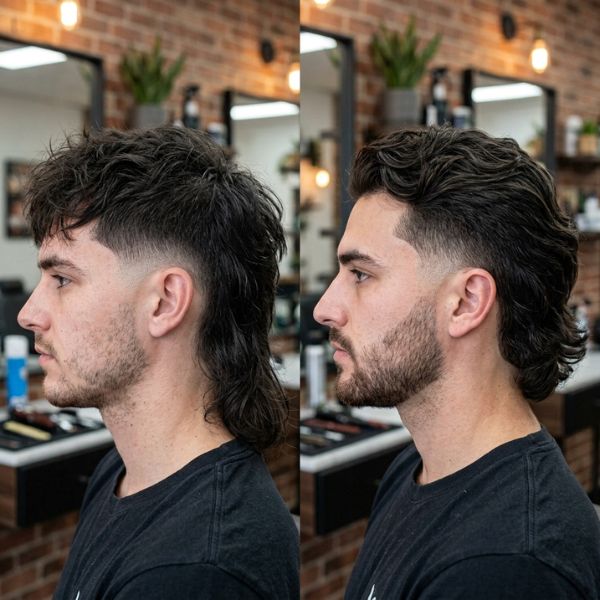
Both cuts pair well with the mullet’s longer back, but the fade line behaves differently.
- A burst fade curves around the ear in a rounded, semicircular shape. It tends to look sportier and more dramatic, especially on shorter sides.
- A drop fade starts higher near the temple and gradually drops lower as it moves toward the back of the head, tracing a diagonal line rather than a circular one.
The burst fade tends to suit thicker, coarser hair because the rounded shape creates more visible contrast. The drop fade often looks smoother on wavy or straight hair since the gradual drop mimics the natural curve of the skull. Neither option is objectively better; the choice comes down to how sharp you want the transition to look and how your barber’s clipper work fits your head shape.
Read more: Straight Hair Mullet Guide 2026: Styles, Fade, and Easy Care
Burst Fade Mullet vs Taper Mullet Fade
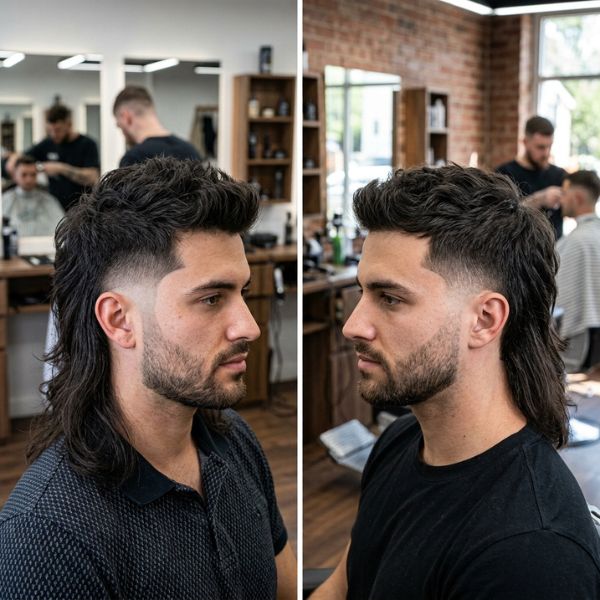
A taper mullet fade takes a gentler approach than a burst fade. Instead of a hard, rounded line around the ear, a taper gradually shortens the hair with no sharply defined edge, blending naturally into the skin or into slightly longer sideburns.
Here is how the two compare in practice:
- Contrast: Burst fades create high contrast with a crisp line; taper fades create a soft, gradual blend.
- Maintenance: Taper fades grow out more forgivingly, so they need fewer touch ups than a sharp burst fade.
- Formality: Taper mullet fades tend to look more workplace friendly, while burst fades lean toward a bolder, streetwear inspired look.
- Hair type: Taper fades often work best on finer hair, while burst fades show off texture and volume better.
If you want something that reads as edgy and modern, the burst fade wins. If you want something understated that still has mullet energy, the taper is the safer choice.
Face Shape Tips
Getting the right burst fade mullet starts with knowing your face shape, since the length and volume on top can either balance or exaggerate your features.
- Round faces benefit from added height on top and a tighter fade on the sides, which elongates the face and avoids extra width near the cheeks.
- Square faces pair well with a slightly softer, textured top that breaks up strong jawlines, plus a mid or low burst fade to keep the sides from looking too boxy.
- Oval faces are the most flexible and can pull off nearly every variation on this list, from high fades to curly mullet styles.
- Long faces look best with more volume on the sides and less height on top, which shortens the overall vertical line of the face.
- Diamond faces do well with a burst fade that softens the cheekbone area while keeping length toward the back for balance.
Bringing a photo of your face shape and preferred length to your barber, rather than just a style name, usually produces a cleaner, more personalized result.
Bangs, Hairline, and Sideburns
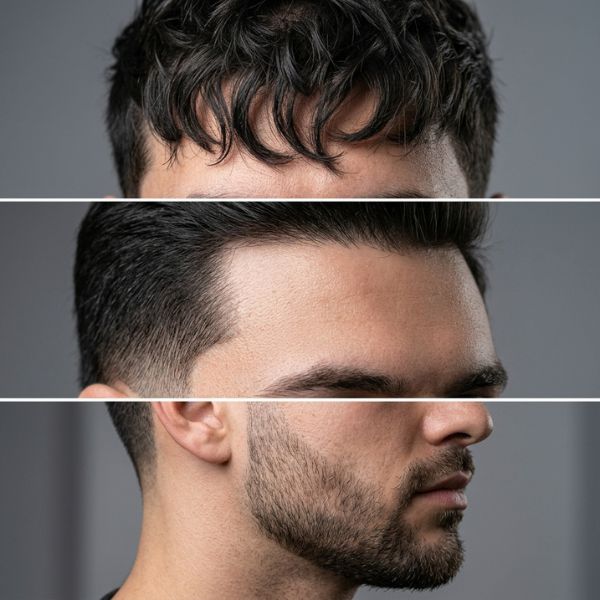
The front section of a burst fade mullet plays a big role in how modern or retro the cut feels. A few small choices make a noticeable difference:
- Bangs: Leaving longer, textured bangs at the front adds a soft, youthful edge and works especially well on straight or wavy hair.
- Hairline: A natural, slightly rounded hairline generally looks more current than a hard, geometric line, though a sharp line up does suit sportier variations.
- Sideburns: Keeping sideburns connected to the fade creates a cleaner, more unified look, while a small gap between the sideburn and the fade gives a more deliberate, styled contrast.
Ask your barber to keep the sideburns slightly longer than the surrounding fade if you plan to grow a beard, since this makes future blending much easier.
Read more: Messy French Crop Haircuts: Fast Style, Sharp Results
25 Burst Fade Mullet Variations
Below are 25 ways to wear the burst fade mullet in 2026, ranging from subtle to statement making.
1. Classic Burst Mullet
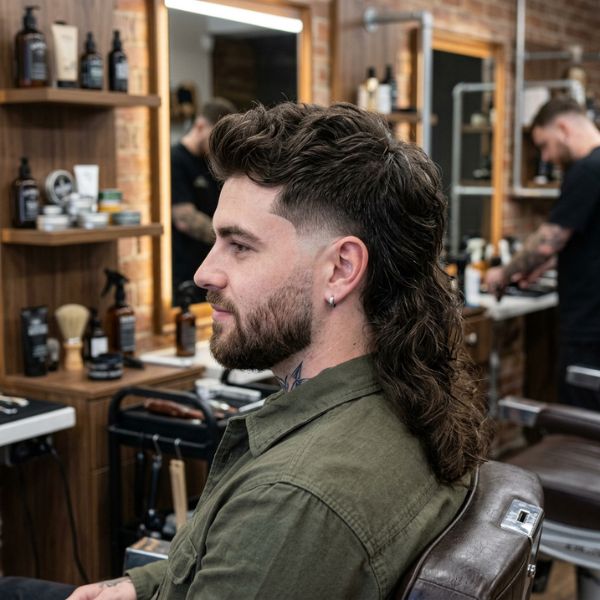
The original template: a tight, rounded fade around the ear with medium length on top and a natural, slightly shaggy back. It works for nearly any hair type and is the easiest version to describe to a new barber.
2. Burst Fade Mullet Haircut
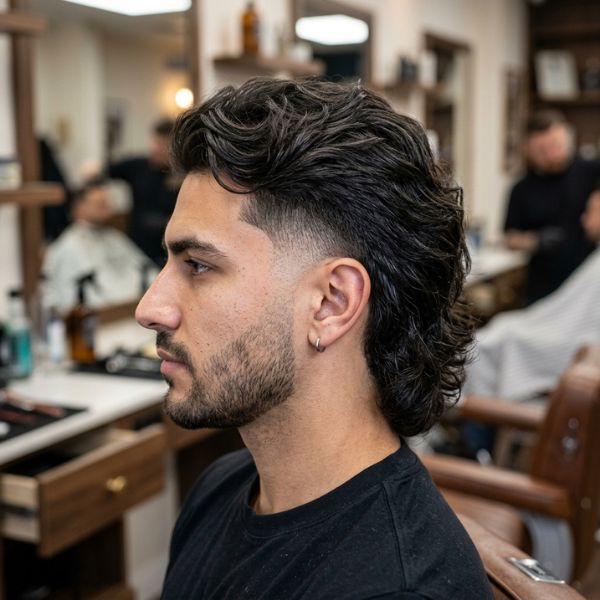
A slightly more polished take with defined layers on top and a crisp fade line. It suits men who want the mullet silhouette without looking too undone.
3. Low Burst Fade Mullet
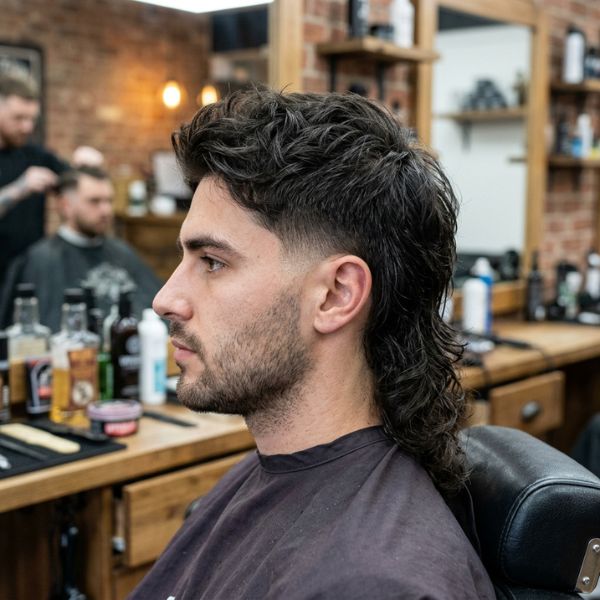
The fade starts closer to the ear rather than higher on the head, keeping more coverage on the sides. This version reads as more subtle and works well for conservative workplaces.
4. Straight Hair Burst Fade Mullet
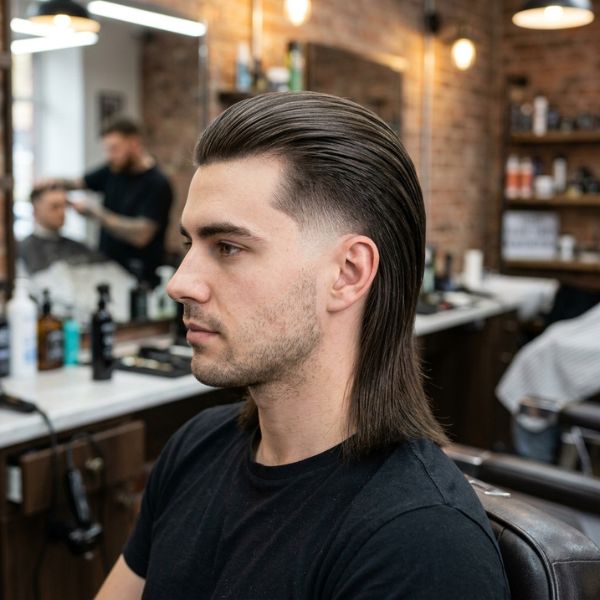
Straight hair shows off the fade’s clean lines especially well. The top is usually cut with a slight side sweep to add movement without much daily styling.
5. Burst Fade Mullet Curly Hair
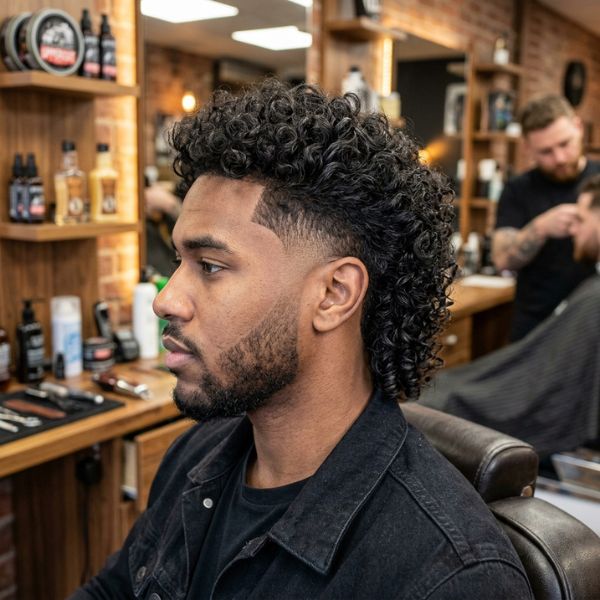
Curls add natural volume on top, which pairs beautifully with the rounded shape of the burst fade. A leave in cream or curl defining product keeps the shape controlled.
6. Mullet Skin Fade
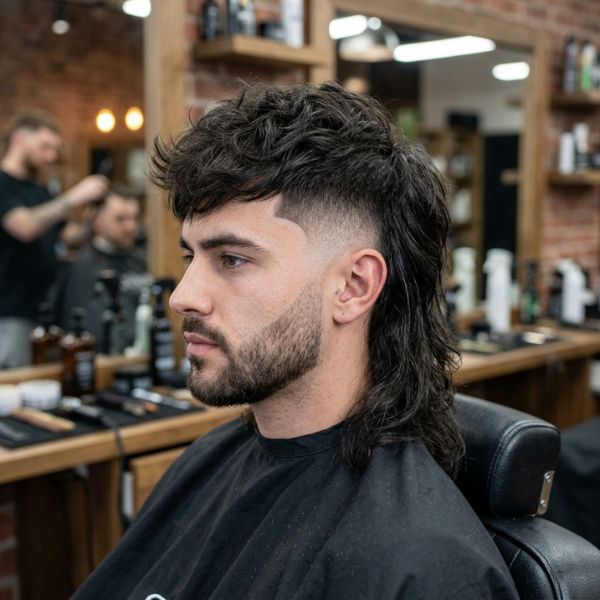
The sides are faded all the way down to the skin for maximum contrast against the longer top and back. This is the boldest version on the list and needs regular touch ups to stay sharp.
7. Mullet Side Fade
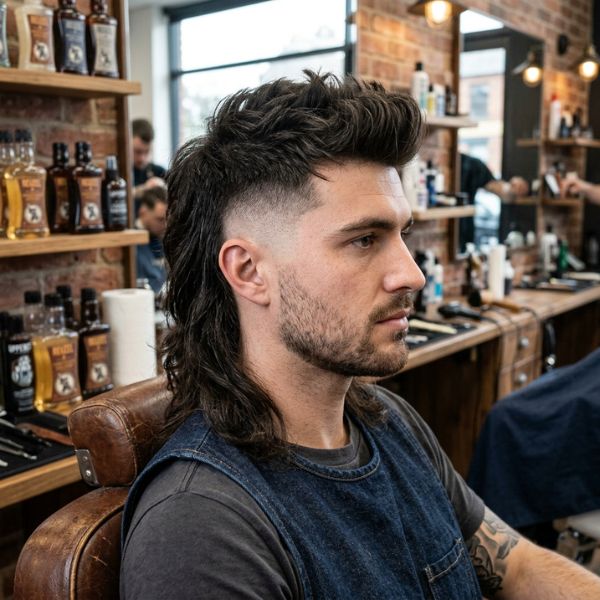
Only one side is faded tightly while the other keeps slightly more length, creating an asymmetrical, edgier finish. It is popular among men who want a style with a bit of visual attitude.
8. Modern Mullet Fade
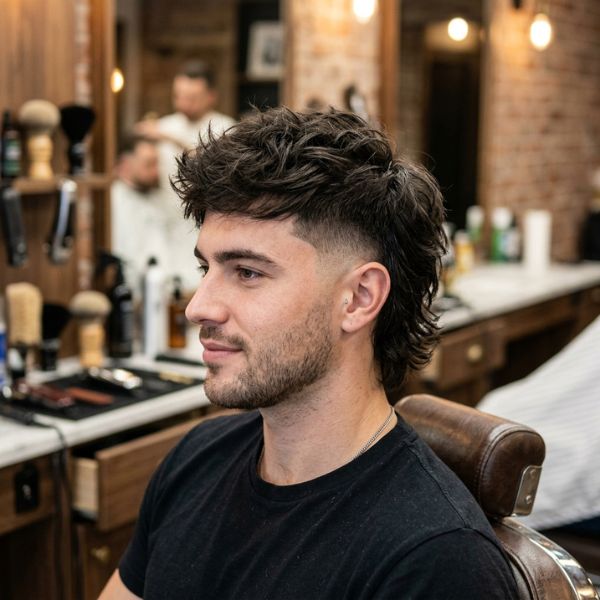
A cleaner, more tailored version of the classic mullet, with tighter fading and a more structured top that leans stylish rather than retro.
9. Taper Mullet Fade
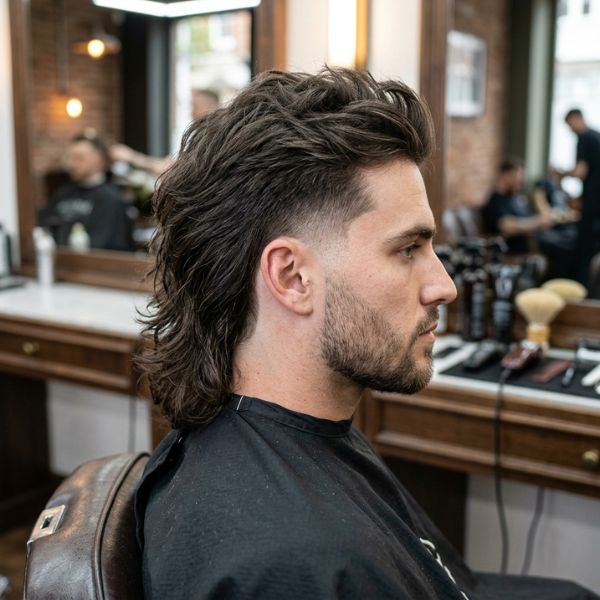
A softer alternative to the burst, using a gradual taper instead of a sharp rounded line. It is the most versatile option for formal settings.
10. Curly Mullet Fade
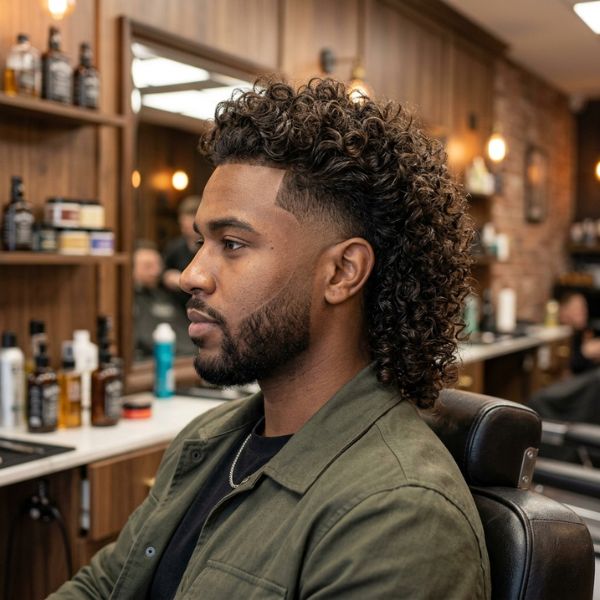
Similar to the curly burst fade but with a gentler taper on the sides, giving curls room to bounce without a hard contrast line.
11. Short Mullet Fade
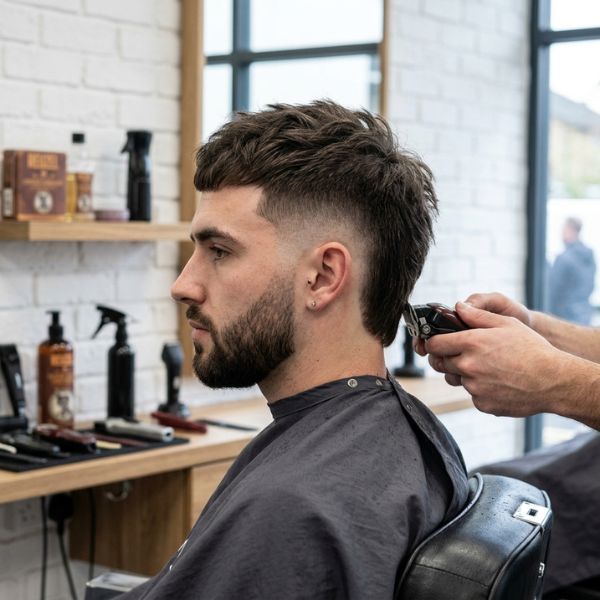
Everything is kept shorter, including the back, for a subtler mullet effect that is easier to manage day to day and grows out more gracefully.
12. Kids Mullet Fade
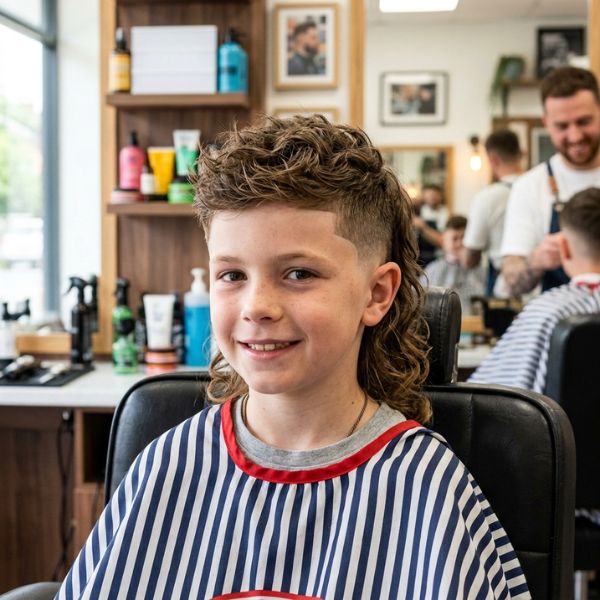
A trimmed down, low maintenance version popular with younger boys, keeping the fade tight and the back short enough to avoid tangling.
13. Taper Modern Mullet Fade
Combines the smooth blend of a taper with a more structured, modern top shape, ideal for men who want subtlety with a contemporary edge.
14. Taper Short Mullet Fade
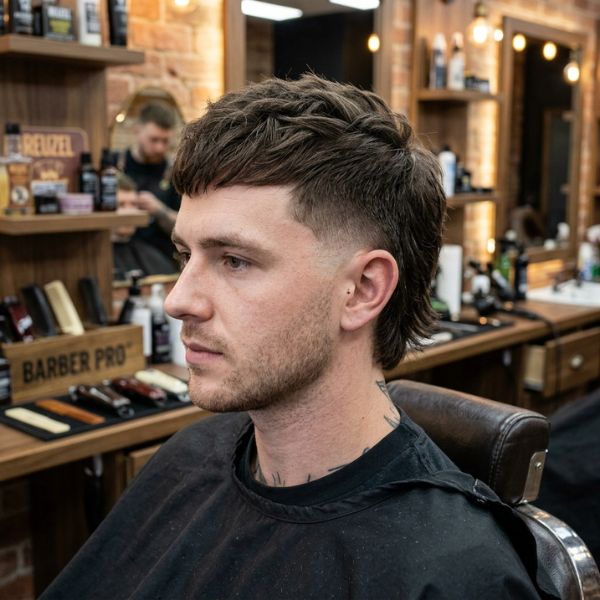
A compact version that keeps both the sides and the back short, offering mullet styling with minimal upkeep.
15. Modern Mullet Fade Straight Hair
Straight hair is styled with clean partings and a slight forward fringe, giving the modern mullet a sleek, editorial feel.
16. Burst Fade Mullet V Cut
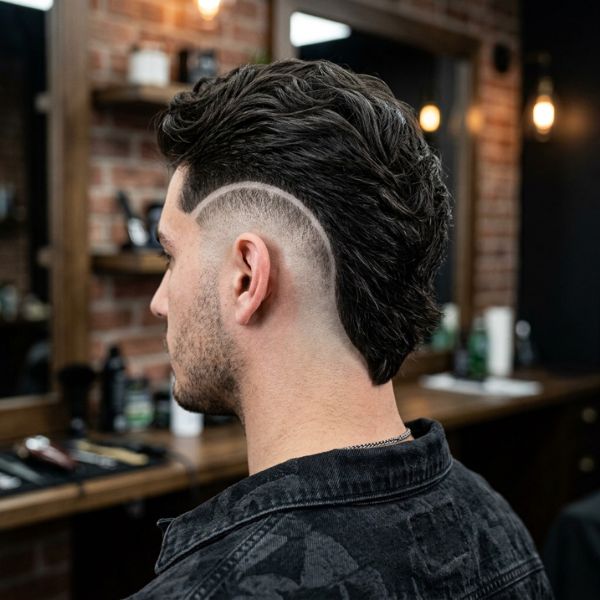
The back is cut into a distinct V shape at the nape, adding a sharper, more graphic silhouette to the traditional mullet outline.
17. Mullet Burst Fade
A reversed emphasis on the same concept, with more attention paid to a heavily rounded burst pattern and less blending toward the crown.
18. Temple Fade Mullet
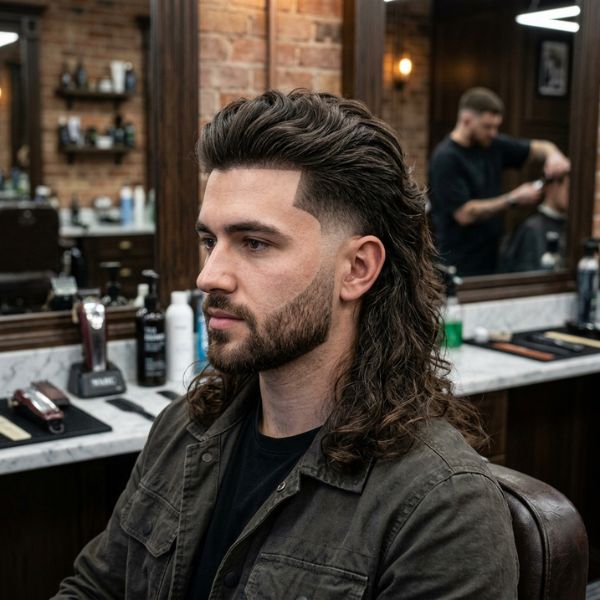
The fade is concentrated tightly around the temple area only, leaving more length everywhere else on the sides for a softer overall transition.
19. Burst Fade Mullet Straight Hair V Cut
Combines the V shaped nape line with straight, sleek top hair for a style that looks equally sharp buzzed short or styled longer.
20. Mid Burst Fade Mullet
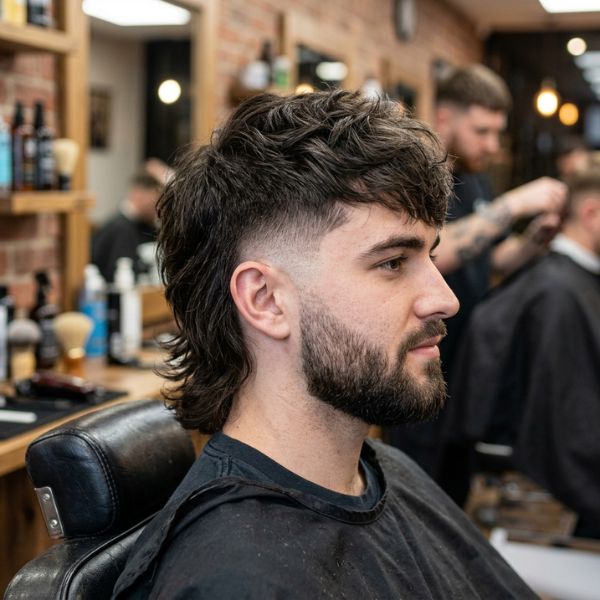
The fade sits at the midpoint of the head, balancing the bold contrast of a high fade with the subtlety of a low fade.
21. High Burst Fade Mullet
The fade starts high on the sides, creating the most dramatic contrast on this list and pairing well with thick, voluminous hair on top.
22. Burst Fade Mullet with Design
A shaved line, star, or geometric pattern is added within the fade itself, giving the cut a custom, one of a kind finish.
23. Taper Burst Fade Mullet
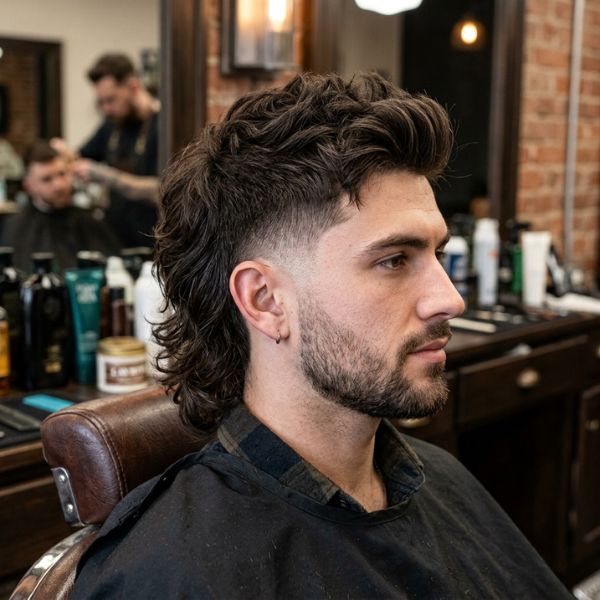
A hybrid cut where the upper portion of the fade uses a soft taper while the lower section near the ear keeps the rounded burst shape.
24. Burst Fade Mullet with Beard Blend
The fade connects seamlessly into a full beard, creating one continuous line from the sideburns down through the jaw for a polished, cohesive look.
25. Burst Fade Mohawk Mullet
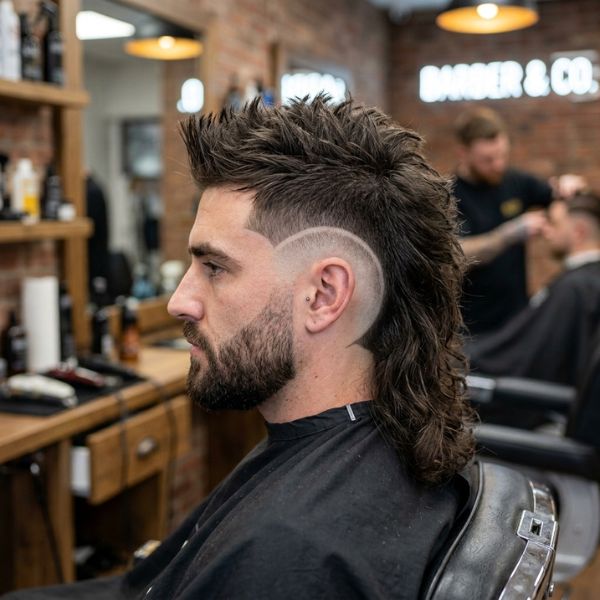
The sides are faded aggressively close while the center strip on top is left noticeably longer, borrowing the height and drama of a mohawk while keeping the mullet’s long back.
Quick Reference Table
Use this table to quickly compare a few of the most requested variations by maintenance level and best hair type.
| Style | Best Hair Type | Maintenance Level |
|---|---|---|
| Classic Burst Mullet | Straight, wavy | Medium |
| Mullet Skin Fade | Thick, coarse | High |
| Taper Mullet Fade | Fine, straight | Low |
| Curly Mullet Fade | Curly, coily | Medium |
| Short Mullet Fade | Any | Low |
| Burst Fade Mullet with Design | Straight, wavy | High |
As the table shows, taper based and short versions require the least upkeep, while skin fades and detailed designs need more frequent barber visits to stay crisp.
Easy Styling Routine
A burst fade mullet does not demand a complicated routine, but a few consistent steps keep it looking intentional rather than messy.
- Start with slightly damp hair after showering, rather than fully soaked, for better product control.
- Apply a small amount of matte clay or texturizing paste to the top and back, focusing on the mid lengths rather than the roots.
- Use your fingers to rough dry the top for volume, or a comb for a sleeker, more defined finish.
- Brush the fade sides flat with a soft bristle brush to keep them looking neat between barber visits.
- Finish with a light hold spray only if you need extra staying power in humid weather.
This entire routine takes under five minutes once you get used to your hair’s natural texture, which is one of the main reasons the cut has stayed so popular.
Read more: Short Wolf Cut Men 2026: Best Styles for Every Hair Type
What to Tell Your Barber
Walking in with the right vocabulary makes a big difference in getting the exact look you want. Bring a reference photo and be specific about three things:
- Fade height: Say whether you want a low, mid, or high burst fade, since this changes how dramatic the contrast looks.
- Top length: Give an approximate length in inches or fingers width so your barber knows how much to leave for styling.
- Back length: Mullets vary widely in how long the back is kept, so clarify whether you want a subtle length difference or a dramatic one.
It also helps to mention your face shape and lifestyle, since a barber experienced with mullets can suggest small adjustments that suit your daily routine better than a generic template.
Care and Upkeep
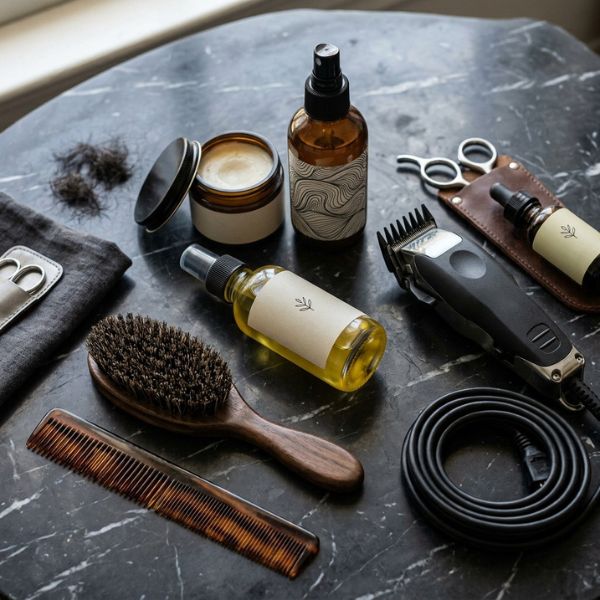
Plan to visit your barber every two to three weeks to keep the fade sharp, since regrowth softens the rounded line faster than a straight fade. Between visits, wash with a gentle shampoo two to three times a week to avoid stripping natural oils, and use a light conditioner on the longer back and top sections to prevent dryness and split ends.
Where It Fits

The burst fade mullet works well in creative industries, casual workplaces, and everyday settings where personal style is welcomed. For more formal or conservative environments, a lower fade with a shorter back keeps the look professional while still offering a bit of personality.
Conclusion
The burst fade mullet earns its place as one of the standout men’s haircuts of 2026 because it offers real flexibility. You get the low maintenance benefit of a tight fade, the personality of a longer back, and enough variation across these 25 styles to match nearly any face shape, hair type, or lifestyle. Whether you lean toward a classic burst mullet or something bolder like a skin fade with a custom design, the key to nailing the look is clear communication with your barber and a simple, consistent styling routine. Once you find the version that fits you, it is easy to keep sharp and even easier to make your own.
Frequently Asked Questions
Is a burst fade mullet still in style in 2026?
Yes, it remains one of the most requested men’s cuts of the year, thanks to its low maintenance and versatility across hair types.
Does a burst fade mullet work with curly hair?
Yes, curly hair pairs especially well with a burst fade mullet since the natural volume on top balances the tighter, rounded sides.
How often do I need a touch up?
Most men need a fade touch up every two to three weeks to keep the rounded line looking sharp.
Can I get a burst fade mullet for work?
A low burst fade or taper mullet fade with a shorter back generally looks polished enough for most professional settings.
What face shape suits a burst fade mullet best?
Oval face shapes suit nearly every variation, while round, square, and long face shapes benefit from specific length adjustments described above.
Is a burst fade or drop fade better for a mullet?
It depends on your hair texture and desired contrast; burst fades suit thicker hair and bolder looks, while drop fades suit straighter hair and softer transitions.

Zaria Rhodes is the lead editor and content curator at Lyrinexa, passionate about music, storytelling, and lyrical expression. With a deep love for discovering the meaning behind songs, she brings clarity, creativity, and accuracy to every post. Zaria is dedicated to providing readers with authentic lyrics, thoughtful interpretations, and a seamless music-exploration experience.

2 thoughts on “Burst Fade Mullet 2026: 25 Clean Styles That Look Bold”