


The messy French crop pairs a short, faded back and sides with a longer, textured top and a broken fringe, giving men a low-maintenance haircut that looks intentional even on a bad hair day. It works because the barber does the heavy lifting: once the layers, taper, and fringe are shaped correctly, styling takes minutes instead of a full routine in front of the mirror.
This guide covers what the cut actually is, who it suits, how a barber builds it step by step, how to keep it sharp between visits, and the mistakes that make an otherwise great haircut fall flat. Whether your hair is straight, wavy, or curly, there is a version of this crop that will work for you.
Messy French Crop: Effortless Texture, Clean Outline, Fast Style
1) What Is a Messy French Crop
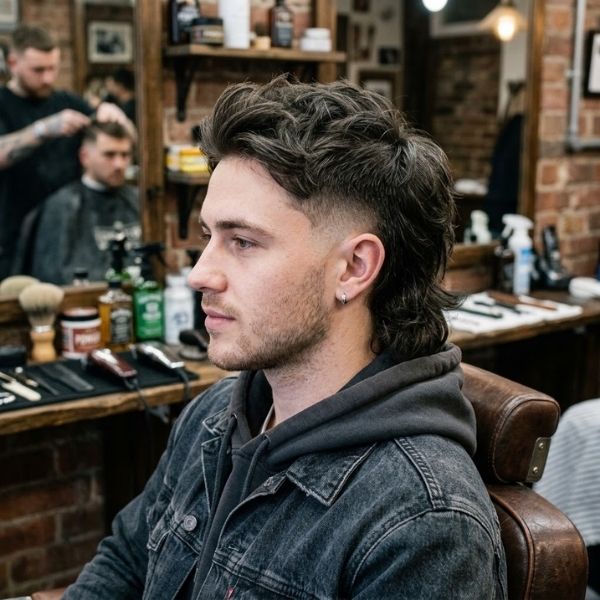
A French crop is a short men’s haircut built around one core idea: tight sides and back, with more length left on top that gets combed or pushed forward into a fringe. The classic version keeps that fringe blunt and neat. The messy French crop breaks that fringe up with texture, so the ends look choppy and slightly disconnected rather than cut in one straight line.
The rest of the haircut stays disciplined. The sides are usually clippered into a fade or taper, so the contrast between the tight sides and the fuller top does most of the visual work. On top, the hair is layered and thinned so it has movement instead of sitting flat, which is what gives the cut its “just rolled out of bed, but on purpose” look.
This haircut has roots in military-style crops, where short, functional hair was the standard, but it moved into mainstream fashion after appearing on television characters with a rugged, working-class edge. That history is part of why the cut reads as both tidy and tough at the same time.
Read More: Low Fade Crew Cut Hairstyles: Clean, Modern, Easy
2) Why Choose This Cut
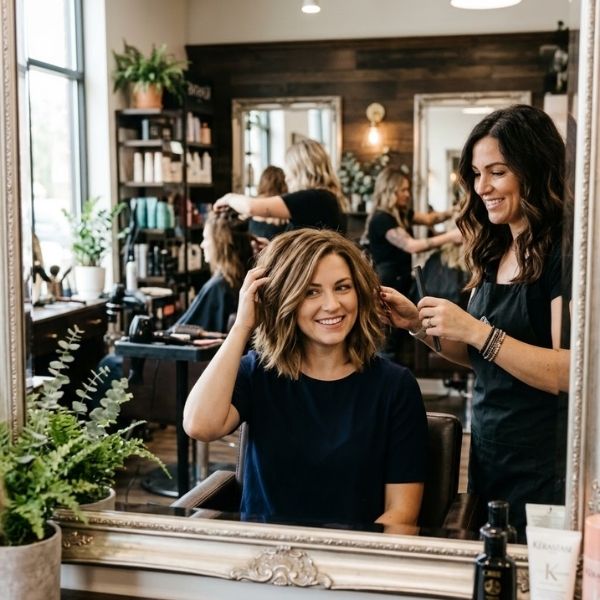
Men gravitate toward this style for a few practical reasons, not just the look.
- Low daily effort. Because the shape and texture are built in during the cut, styling often takes under five minutes.
- Works with natural texture. Straight, wavy, and curly hair can all be shaped into a messy crop without fighting the hair’s natural pattern.
- Grows out gracefully. Unlike very short buzz cuts, a French crop with some length on top does not look awkward the moment new growth appears.
- Flexible formality. A tousled fringe reads casual, while a slicked-back or combed version of the same haircut can pass for business settings.
- Pairs well with facial hair. The short sides balance a beard or stubble without competing for attention.
3) Face Shape Match

| Face Shape | What Works | Why It Works |
| Oval | Almost any version of the crop | Balanced proportions suit both tight and longer fringes |
| Round | Taller top, tighter sides, shorter fringe | Adds vertical height and narrows the visual width of the face |
| Square | Structured top with a defined fringe | Complements a strong jawline instead of competing with it |
| Heart or Triangle | Fuller, longer fringe | Balances a narrower chin by adding width near the forehead |
| Rectangular or Long | Fuller sides, less height on top | Prevents the face from looking stretched |
4) Hair Types & Top Textures
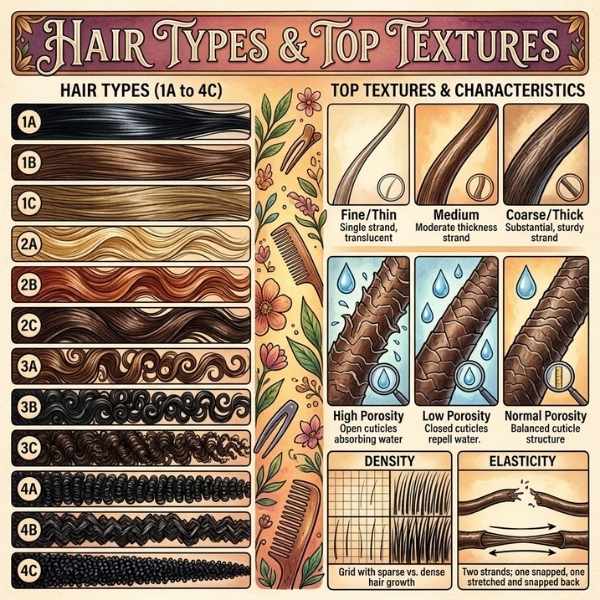
The messy French crop is popular precisely because it adapts to different hair types, though the barber’s technique changes depending on what they are working with.
- Straight hair: Holds a defined fringe well but can look flat without thinning shears or a texturizing spray to break up the surface.
- Wavy hair: Naturally suited to this cut, since the existing movement in the hair creates texture with minimal product.
- Curly hair: Needs careful layering so curls are not cut too short to spring up unpredictably; a slightly longer top lets the curl pattern show without losing shape.
- Thick or coarse hair: Benefits from internal thinning so the top does not sit too heavy or push outward instead of forward.
- Fine or thin hair: Shorter layers and a lighter touch with product prevent the top from looking limp by midday.
Read More: Is Mychael Schnell Married? Husband & Personal Life Facts
5) Exactly What to Tell Your Barber
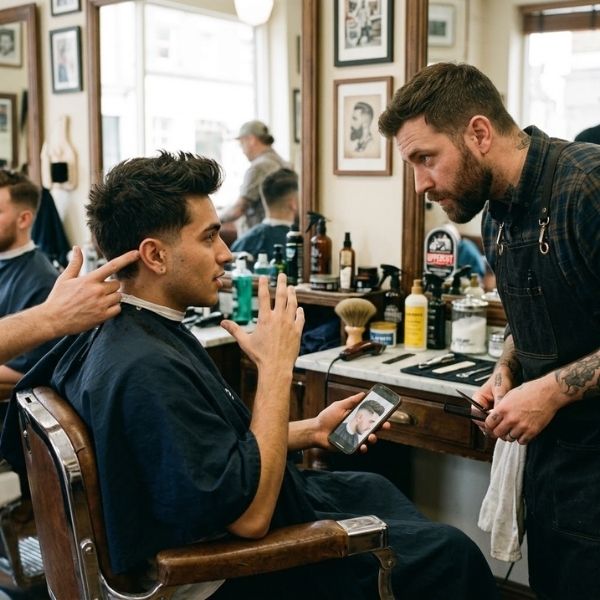
Miscommunication is one of the most common reasons a French crop turns out wrong. Bring a reference photo if you can, and use specific language rather than general terms.
- “I want a messy French crop with a [skin fade / taper fade / low fade] on the sides.”
- “Keep the top around [2 to 4 inches], long enough to push forward into a fringe.”
- “Texturize the top so it has movement, not a flat, blunt finish.”
- “Cut the fringe with some texture or point-cutting, not a straight blunt line.”
- “Blend the fade into the top so there’s no harsh line between them.”
Naming the fade type and the approximate top length removes most of the guesswork and gives the barber a clear target.
6) In the Chair: Step by Step
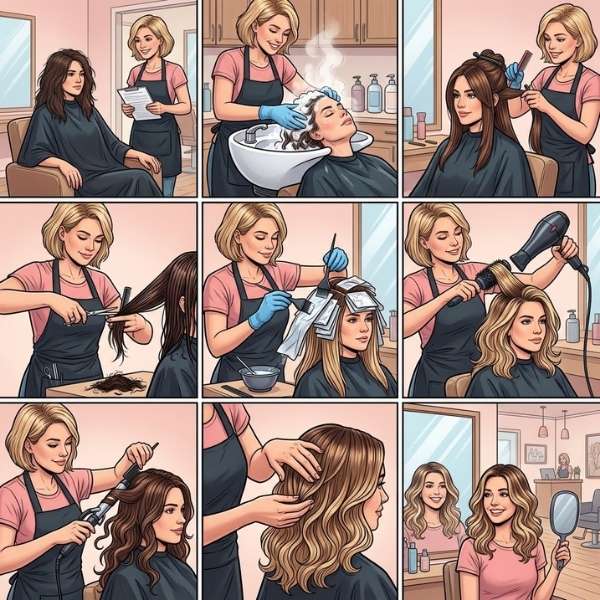
Step 1: Consult & Plan
The barber checks your hair type, growth pattern, cowlicks, and face shape, then confirms the fade height and top length with you before making a single cut. This step decides how the rest of the haircut will be built.
Step 2: Prep
Hair is washed and towel-dried to damp, since clean, evenly damp hair clips more predictably than dry or dripping hair. Any major snags or tangles are combed out here.
Step 3: Set the First Guideline
The barber establishes a baseline length, often starting with clippers at the lowest point of the fade or taper, to create a reference for every other length on the head.
Step 4: Build the Taper or Fade
Working upward in sections, the barber blends the clipper guard sizes gradually from short to longer, creating the gradient that separates a French crop from a plain buzz cut.
Step 5: Blend Ridges
Any visible lines between clipper guard changes are softened using a lighter guard, shears, or a fade brush technique, so the transition looks seamless rather than stepped.
Step 6: Texture & Balance
The top is thinned with texturizing or thinning shears to remove bulk and add movement, which is what gives the “messy” part of the cut its lived-in appearance rather than a flat, helmet-like top.
Step 7: Cut the Fringe
The front section is combed forward and cut, either with a blunt line that is then point-cut for texture, or with a choppy, irregular technique from the start, depending on how messy you want the finish.
Step 8: Finish
The barber checks the blend from all angles, cleans up the hairline and neckline, and may apply a light styling product to show you how the finished cut will look once styled at home.
Read More: Straight Hair Mullet Guide 2026: Styles, Fade, and Easy Care
7) Daily Routine and Fast Style
One of the biggest advantages of this haircut is how quickly it comes together each morning.
- Start with damp or slightly towel-dried hair rather than fully wet hair.
- Apply a small amount of styling product, matte clay or paste for a natural finish, or sea salt spray for extra texture and hold.
- Use your fingers, not a comb, to push the top forward and slightly to one side.
- Blow-dry briefly on a low or medium heat setting while shaping with your fingers for lift.
- Finish by scrunching the fringe lightly to keep the texture broken up instead of smooth.
Most men can complete this routine in three to five minutes once they know how much product their hair type needs.
8) Beard & Outline Options
Facial hair pairs naturally with the messy French crop because the tight sides leave room for a beard or stubble to add visual weight lower on the face.
- Clean shave: Keeps the focus entirely on the fringe and top texture, suited to sharper, more structured versions of the cut.
- Light stubble: Adds a rugged edge without much upkeep, complementing the low-maintenance nature of the haircut.
- Short boxed beard: Balances a round or square face and works well with a mid or low fade.
- Full beard: Pairs best with a slightly longer, fuller top so the proportions between hair and beard stay even.
Ask your barber to line up the beard neckline and cheek line in the same visit so the whole look stays consistent.
9) Maintenance Timeline
| Fade Type | Recommended Trim Frequency |
| Skin fade | Every 1 to 2 weeks |
| Mid or low fade | Every 2 to 3 weeks |
| Taper (no skin) | Every 3 to 4 weeks |
10) Common Mistakes & Quick Fixes
- Fade left too harsh: Ask your barber to blend the guideline further with a lighter guard or shears so it fades gradually instead of stopping abruptly.
- Top too thick or heavy: Request internal thinning with texturizing shears rather than simply shortening the length, which can flatten the shape.
- Fringe cut too blunt: Point-cutting the ends afterward softens a straight line into a broken, textured edge.
- Overusing product: Applying too much clay or paste weighs the top down; start with a small amount and add more only if needed.
- Skipping regular trims: Letting the fringe grow out unevenly is the fastest way to lose the shape; a quick trim every few weeks keeps the whole cut looking deliberate.
- Styling on fully dry hair: Product distributes unevenly on bone-dry hair; always start from a damp base for a more natural finish.
Conclusion
The messy French crop earns its popularity because it solves a real problem: it looks sharp and current without demanding a long styling routine every morning. The contrast between the tight, faded sides and the textured, forward-pushed top is what makes the cut work, and that contrast holds up across straight, wavy, and curly hair when a barber builds it with the right layering and fringe technique.
Bring a clear reference and the specific details from this guide to your next appointment, keep up with trims on the timeline that matches your fade, and you will get a haircut that looks freshly cut for weeks, not just on day one.
FAQs
How long should the top be for a messy French crop?
Most versions work best with the top kept between 2 and 4 inches, long enough to push forward into a textured fringe without losing shape.
How often do I need to get a French crop trimmed?
Skin fades need attention every 1 to 2 weeks, while taper versions can usually go 3 to 4 weeks between visits.
Does a messy French crop work with curly hair?
Yes, as long as the barber leaves enough length on top so the natural curl pattern can show instead of springing up too short.
What products work best for styling?
A matte clay or paste gives a natural, textured finish, while sea salt spray adds volume and grip for a more tousled look.
Can I get a messy French crop for a receding hairline?
Yes, the forward-styled fringe helps soften a receding hairline and can visually reduce the appearance of a larger forehead.

Zaria Rhodes is the lead editor and content curator at Lyrinexa, passionate about music, storytelling, and lyrical expression. With a deep love for discovering the meaning behind songs, she brings clarity, creativity, and accuracy to every post. Zaria is dedicated to providing readers with authentic lyrics, thoughtful interpretations, and a seamless music-exploration experience.

1 thought on “Messy French Crop Haircuts: Fast Style, Sharp Results”