


Your son wants a mullet, and you’re picturing the shaggy 1980s throwback that never quite grew out right. Relax. The boys mullet haircut showing up in barbershops this year has nothing to do with that old look. It’s cleaner up front, sharper on the sides, and built to survive recess, practice, and picture day without falling apart.
This guide breaks down what the modern version actually looks like, how to pick the right style for your child’s hair type and face shape, twelve variations worth screenshotting for your barber, and the care routine that keeps it looking sharp between visits. No filler, just what a parent needs before booking the chair.
What Is a Boys Modern Mullet
A boys modern mullet keeps the sides and top short and controlled while leaving extra length at the back. That’s the whole shape in one sentence, but the details matter.
The old mullet grew out unevenly and looked bulky at the neck. The 2026 version fixes that with a fade or taper on the sides, a textured top that adds shape, and a back section that’s layered instead of chopped straight across. The transition from short to long is smooth, not sudden, so the cut looks intentional rather than accidental.
A few things set the modern version apart:
- Blended sides instead of a hard, choppy line
- A textured or slightly spiky top for movement
- A back that flows into layers rather than dropping off in one thick chunk
- A shape that holds up whether the hair is straight, wavy, or curly
It works for school because the front and sides stay tidy. It works for weekends because the back gives a kid room to show some personality.
How to Choose the Right Version
Picking the right cut comes down to two things: hair type and lifestyle.
Hair type matters more than trend photos. Straight hair holds a clean fade mullet well and shows off sharp lines. Wavy hair works nicely with a shag or fringe mullet since the natural movement does most of the styling. Curly hair looks best with a rounder shape and a bit more length on top, since tight curls shrink up and need room to show texture.
Face shape plays a smaller but real role. Rounder faces usually look sharper with more height on top and a tighter fade on the sides. Longer or narrower faces often suit a fuller top and softer sides to balance things out. A good barber will adjust this on the spot once they see your child in the chair.
Lifestyle decides how much upkeep you can handle. An active kid who’s in the pool or on a field every week does better with a low maintenance version, like a tapered mullet with soft layers, over something that needs a fresh line-up every ten days. If mornings are already rushed, skip the intricate burst fade and go with a simpler shape that grows out evenly.
Bring a reference photo, describe your child’s routine honestly, and let the barber adjust the technique to match what’s actually growing on their head.
The Best Boys Mullet Haircut Variations
Here are twelve of the strongest boys mullet haircut styles worth trying in 2026, from the simplest starter version to bolder statement cuts.
1) Classic Boys Mullet
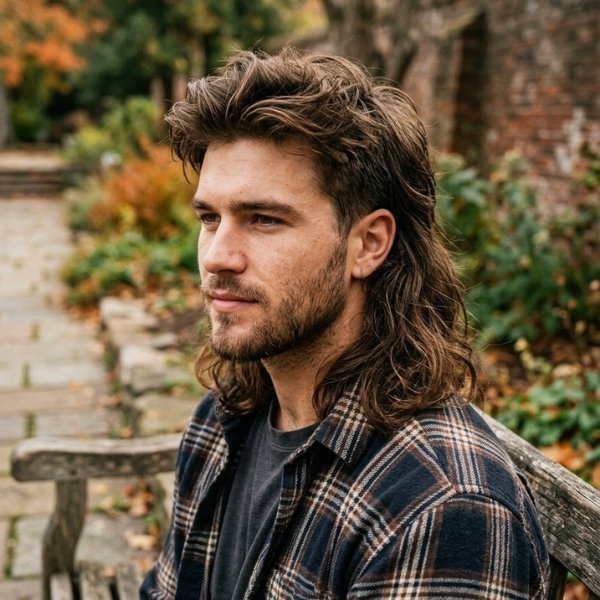
This is the pure, no frills version. Short sides, a tidy top, and a moderate length at the back that moves without looking wild. It’s the safest starting point for a first mullet since it’s easy for a barber to shape and easy for a kid to grow out gracefully.
Barber tip: Ask for a scissor cut on top with clippers on the sides for a soft, classic finish.
2) Boys Mullet Fade

This variation swaps the classic taper for a proper fade, skin or mid, that blends into the back length for a much sharper contrast. It reads as more polished and works especially well for straight or fine hair that needs defined lines to look intentional.
Barber tip: Request a mid fade that blends smoothly at the occipital bone so the length transition looks natural.
3) Short Mullet Haircut Boy
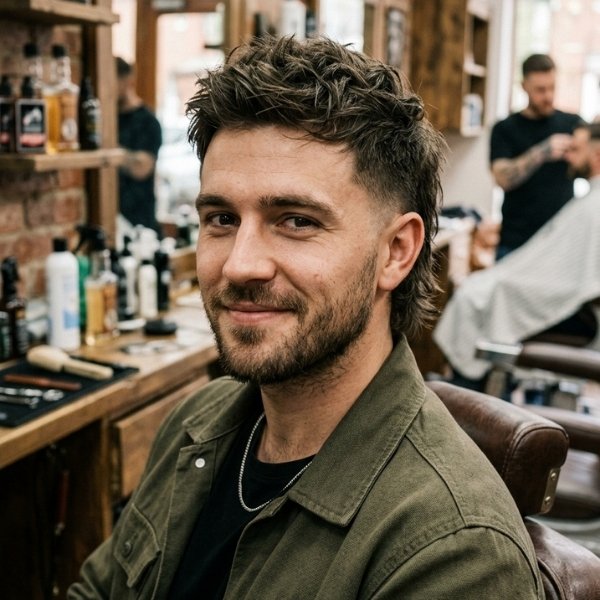
For parents easing into the trend, a short mullet keeps the back subtle instead of dramatic. It’s a great starter version that still counts as a real mullet without drawing too much attention, and it stays school appropriate with almost no daily effort.
Barber tip: Keep the back only an inch or two longer than the crown for a subtle, low key effect.
4) Curly Boys Modern Mullet

Curly hair naturally has volume, so this version leans into that instead of fighting it. Thinning shears remove bulk from the top while the curls at the back are left long enough to bounce and show their natural pattern.
Barber tip: Ask for point cutting rather than a blunt trim so the curls keep their natural shape.
Read More : Brandon Marsh Wife: Exclusive Facts on Girlfriend & Net Worth (2026)
5) Boys Modern Mullet Straight Hair
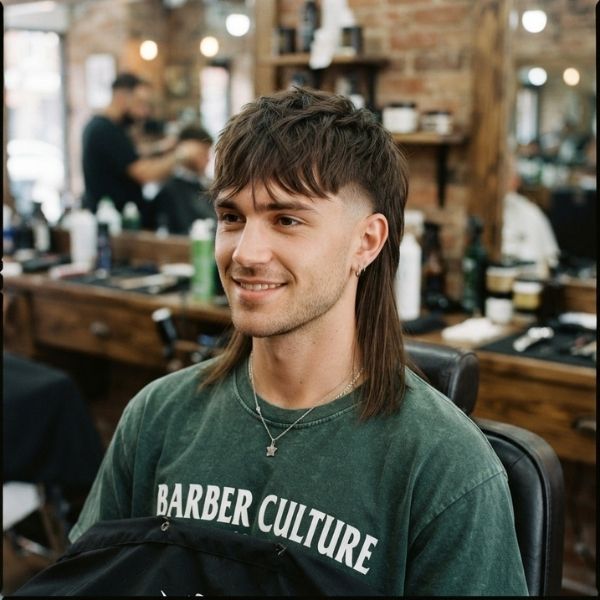
Straight hair shows off clean lines better than any other texture, which makes it perfect for a sharply blended mullet with crisp edges. The top can be styled flat and sleek or lightly textured with a matte product for a bit of movement.
Barber tip: A razor finish on the neckline keeps straight hair looking crisp between trims.
6) Tapered Modern Mullet Haircut Boy

A taper is gentler than a fade, blending gradually rather than dropping sharply to the skin. This makes it one of the most forgiving styles for growing out, since there’s no hard line that becomes noticeable after a few weeks.
Barber tip: Ask for a low taper if your child’s school has strict grooming guidelines.
7) Burst Fade Boys Mullet Haircut

Instead of a straight fade line, a burst fade curves in an arc around the ear, creating a rounded, radiating effect. It’s one of the boldest looks on this list and works especially well on thicker hair, where the burst pattern shows up as a sharp, intentional contrast.
Barber tip: Ask specifically for an arc fade behind the ear with a rounded neckline for the full burst effect.
8) Sporty Medium Mullet

Built for kids who are always moving, this version keeps the sides short enough for a helmet or cap and the back at a medium, manageable length. It handles sweat and sunscreen better than longer styles and needs less daily styling.
Barber tip: Request extra thinning at the crown so hair doesn’t get heavy or flat under sports gear.
Read More : Michelle Smallmon Wikipedia: Age, Husband, ESPN & Net Worth Revealed (2026)
9) Wavy Surfer Mullet for Boys
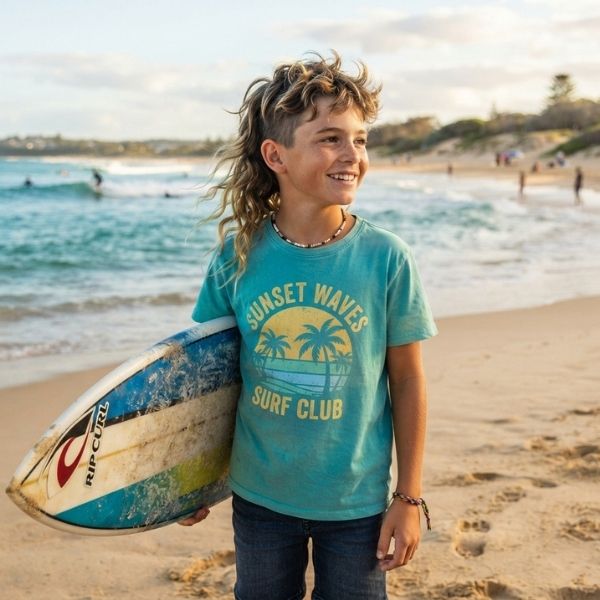
This relaxed, beachy take skips the heavy product and lets natural texture do the work. It pairs a soft, textured top with looser layers at the back, giving an effortless look that suits kids who spend a lot of time outdoors.
Barber tip: Ask for a light dry cut finish so the layers fall naturally instead of looking too structured.
10) Fringe Mullet
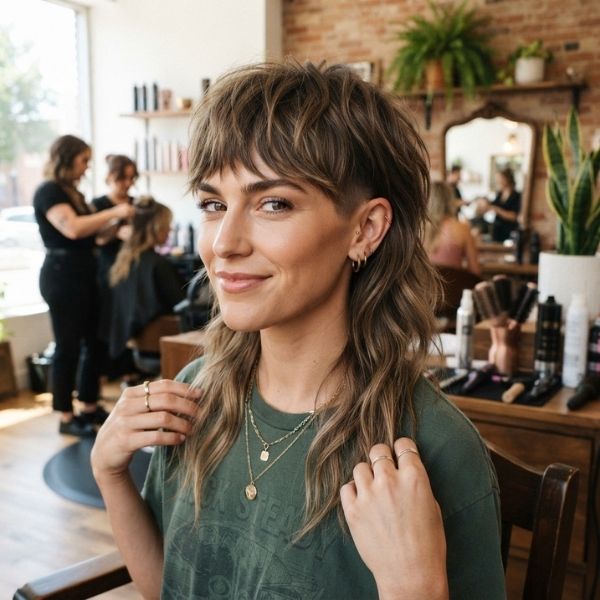
This version keeps a piece of longer hair swept over the forehead while the rest follows the standard mullet shape. It adds a bit of edge up front to match the personality at the back, and it works well for boys who want something a little different from the usual short-sides look.
Barber tip: Point cut the fringe so it sits soft rather than blunt across the forehead.
11) Low Fade Modern Mullet
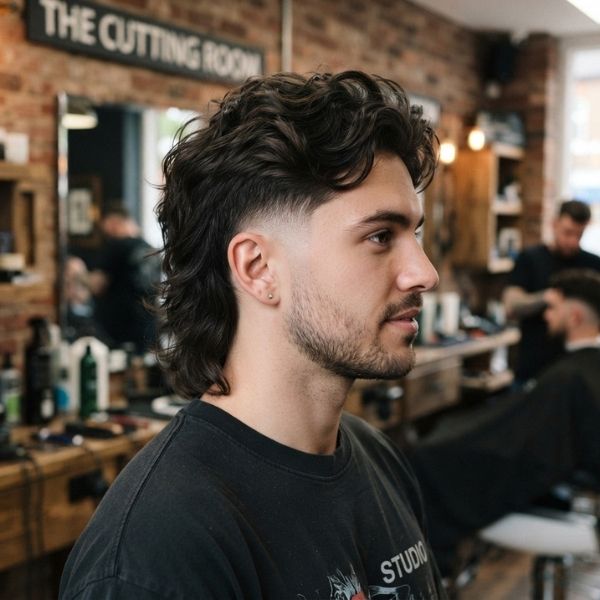
A low fade keeps the fade line close to the ear rather than climbing up the head, which reads as more subtle and grown-up. It’s a solid middle ground between a soft taper and a dramatic skin fade, and it tends to age well as hair grows out.
Barber tip: Ask your barber to keep the fade line below the temple for the most understated effect.
12) Longer Back, School Safe

For families dealing with a dress code, this version keeps the back length modest while still technically counting as a mullet. Clean, blended sides and just enough extra length at the back give a kid the style without breaking any rules.
Barber tip: Bring your school’s grooming policy to the barber so they can shape the back within those limits.
Quick Age and Care Guide
Most barbers recommend waiting until a child is at least two to three years old before attempting a mullet, since hair usually needs to grow in thick and even enough to hold the shape. Before that age, hair is often too fine and patchy for the style to look intentional.
| Age Range | Best Approach |
| 2 to 4 years | Soft, rounded shapes with minimal fading; hair is still fine |
| 5 to 8 years | Light tapers and short mullets that are easy to maintain at home |
| 9 to 12 years | Sharper fades, burst fades, and bolder variations as hair thickens |
| Teens | Full range of styles, including skin fades and disconnected cuts |
A kid’s mullet typically needs a trim every four to six weeks to keep the fade sharp and stop the back from growing uneven. Toddlers and younger kids generally do better with softer, rounder shapes since their hair hasn’t fully come in yet.
Daily Styling That Kids Can Do
The best part of a modern mullet is that it doesn’t demand a complicated morning routine. A few simple habits keep it looking sharp:
- Damp it down first. A quick spray of water or a run through the shower helps reset the shape before applying anything.
- Use a small amount of product. A pea sized bit of grooming cream or texture spray is enough for most kids; too much makes hair look greasy instead of styled.
- Scrunch, don’t comb, curls and waves. Fingers work better than a comb for wavy or curly mullets since combing flattens the natural texture.
- Let it air dry when possible. Skipping heat tools keeps the hair healthier and the color from fading as fast.
- Keep a comb handy for straight styles. A quick comb through after product application gives straight-haired mullets a cleaner, more defined look.
Most kids can manage this routine on their own within a few weeks, which is part of why the style has become so popular with parents.
Care and Upkeep
A mullet holds its shape better with a consistent care routine rather than occasional attention.
Washing. Two to three washes a week is usually enough. Washing daily can dry out a child’s scalp and strip the natural oils that help the style hold.
Trims. Book a follow-up appointment every four to six weeks. The sides and top need this to stay sharp, even if the back is meant to keep growing.
Neckline cleanup. For fade and burst fade versions, a quick neckline touch-up every two to three weeks between full cuts keeps the style from looking overgrown.
Products by hair type.
- Straight hair: light matte clay or pomade for hold without shine
- Wavy hair: sea salt spray for natural texture and lift
- Curly hair: lightweight curl cream to define without weighing curls down
Growth expectations. Growing out the back section to a noticeable mullet length usually takes two to four months, depending on how fast your child’s hair grows and how short the initial cut was.
Barber Talk That Works
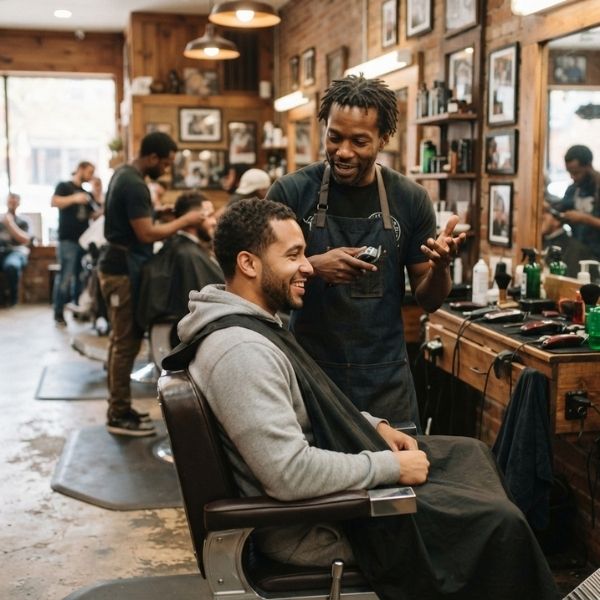
Walking into a barbershop with the right words makes the whole appointment faster and gets a better result. Try these when describing what you want:
- “We’d like a boys mullet haircut with short, blended sides and extra length left at the back.”
- “Can you keep the top textured rather than flat, with a soft taper on the sides?”
- “We’re looking for a low maintenance version since he’s active in sports.”
- “Please keep it school appropriate, nothing too dramatic on the sides.”
- “Can we do a burst fade around the ear with length kept at the crown?”
Bringing a reference photo alongside these phrases helps the barber match the exact look rather than guessing from a general description.
Frequently Asked Questions
Is a mullet a good haircut for a young boy?
Yes. A well-cut modern mullet looks neat and polished with minimal styling, and it stays school appropriate when the sides are kept tidy.
How often does a boys mullet need a trim?
Most kids need a maintenance cut every four to six weeks to keep the fade clean and the back from growing unevenly.
What hair type works best for a mullet?
All hair types work. Straight hair shows off sharp fade lines, wavy hair styles itself with minimal product, and curly hair adds natural volume to the back.
Will a mullet grow out awkwardly?
Not if it’s cut with layers instead of a blunt line. A properly layered mullet grows out gradually and still looks intentional between trims.
What’s the best age to start a mullet?
Most barbers suggest waiting until age two or three, once hair has grown in thick and even enough to hold the shape.
Does a mullet need a lot of product to style?
No. A small amount of texture spray or grooming cream is usually enough, and many wavy or curly versions look best air-dried with little to no product.
Conclusion
The boys mullet haircut earned its spot as one of the most requested kids’ styles of 2026 because it actually works for real life. Clean sides keep it school appropriate. A longer back gives a kid room to express some personality. Every hair type, straight, wavy, or curly, can carry the shape with the right barber adjustments.
Start with a version that matches your child’s hair and daily routine, keep up with trims every four to six weeks, and let a good barber handle the technical details. The result is a haircut that looks sharp on day one and still looks good on day thirty.

Zaria Rhodes is the lead editor and content curator at Lyrinexa, passionate about music, storytelling, and lyrical expression. With a deep love for discovering the meaning behind songs, she brings clarity, creativity, and accuracy to every post. Zaria is dedicated to providing readers with authentic lyrics, thoughtful interpretations, and a seamless music-exploration experience.
