


A regular burst fade already looks sharp on its own, but a burst fade design takes it one step further by cutting a pattern into the shortest part of the fade for extra detail and personality. Because the skin around the ear is already exposed on a burst fade, it gives the barber a clean canvas to work with, whether that means one simple line, a bold lightning bolt, or a full geometric pattern. This guide covers what a burst fade design actually is, where it looks best, the most popular design ideas for 2026, how the design changes with hair type and fade height, and what to tell your barber so the cut turns out exactly how you pictured it.
What Is a Burst Fade Design
A burst fade design is a shaved pattern added into the arc of a burst fade, usually right where the fade is shortest and closest to the skin. The burst fade itself curves around the ear in a rounded, semicircular shape, almost like a small sunburst, which is where the style gets its name. Because that curved section is already faded down to the skin, a barber can use clippers or a straight razor to carve a line, shape, or pattern into it without disturbing the rest of the blend.
The design works because of contrast. The exposed skin next to the remaining hair creates a sharp visual line, so even a simple shape stands out, unlike a flat top fade where there is less curve to work with.
Burst Fade With Design vs Regular Burst Fade
A regular burst fade is defined by its clean, curved taper around the ear that blends smoothly into the top and neckline. There is nothing added, just a precise fade.
A burst fade with a shaved design keeps that same curved shape but adds a hard-edged detail cut into the shortest section. The difference comes down to a few things:
- Attention. A plain burst fade is understated. A design version draws the eye immediately.
- Maintenance. Designs need more frequent touch ups than a plain fade because the pattern blurs as hair grows back.
- Personality. A design signals a bolder, more expressive style choice, while a plain burst fade leans classic and low key.
- Occasion. Some workplaces and schools have dress codes that allow a clean fade but not a shaved pattern, so it is worth checking before booking.
Neither version is “better.” It really depends on how much detail you want and how often you are willing to sit in the chair for upkeep.
Where Should the Design Go on a Burst Fade
Placement changes how visible the design is and how long it stays sharp before it needs a refresh. The three most common zones are above the ear, behind the ear, and the nape or V area at the back of the neck.
Above the ear is the most requested spot because it is visible from almost every angle, especially the side profile, and it tends to hold its shape a little longer since that area of hair grows in slightly slower for most people. Behind the ear and the nape area are both popular too, but each comes with its own trade offs.
Read more: Boys Mullet Haircut Guide 2026: Styles, Fades, and Care
Behind the Ear Burst Fade Design
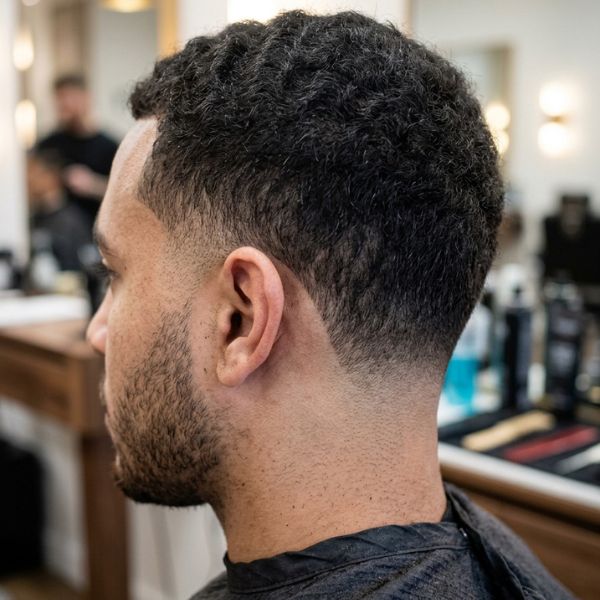
Placing the design behind the ear gives it a subtler look. It is still noticeable, but it is not the first thing people see when they look at you head on. This spot works well for anyone who wants a design without it feeling like the main focus of the haircut. It pairs naturally with the burst fade’s own shape, since the fade already curves around and behind the ear in that halo like pattern.
The one thing to keep in mind is that hair behind the ear can grow at a slightly different rate than hair above it, so the design may need a touch up sooner if you want it crisp.
Nape and V Area Design
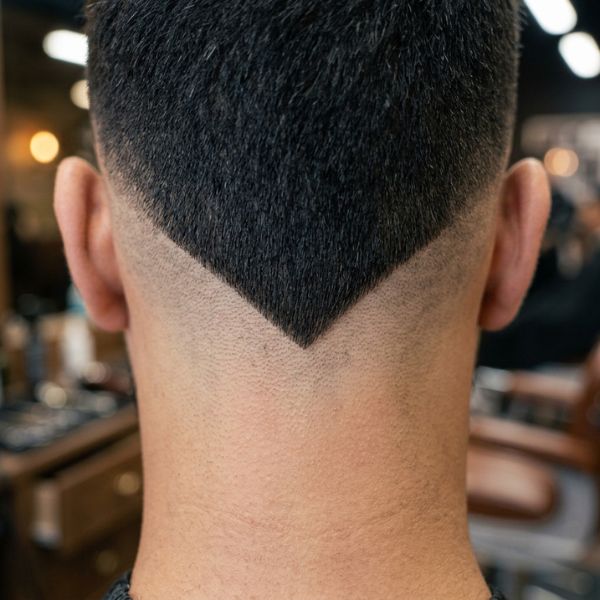
The nape, or the V shaped area at the center back of the neck, is a bold placement because it is only fully visible when someone is standing behind you or when your hair is styled up off the neck. A design here, like a small line or V shape, adds a hidden detail that looks great in photos and from certain angles.
The downside is this area tends to grow out faster for most people, so a nape design can blur within a week or two if it is not maintained. It suits special occasions or people who get frequent trims anyway.
Read more: Crew Cut Low Fade Hairstyles: Clean, Modern, Easy
Best Burst Fade Design Ideas
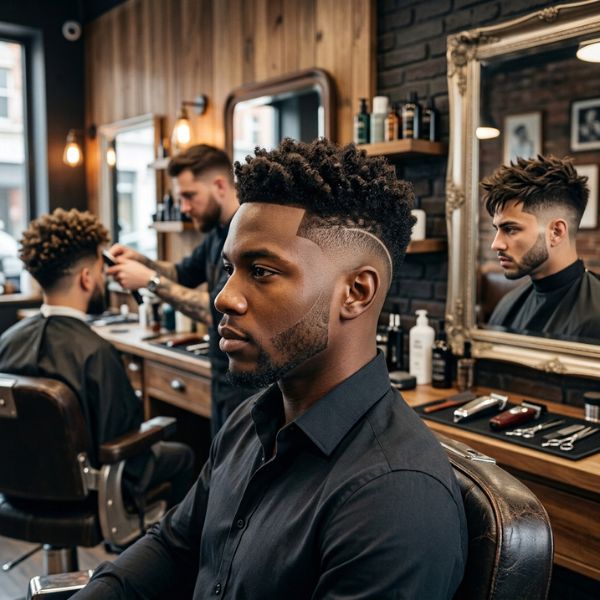
There is no shortage of shapes and patterns barbers can carve into a burst fade. Below are the ideas that consistently come up as the most requested for 2026, along with what makes each one work.
Burst Fade Line Design
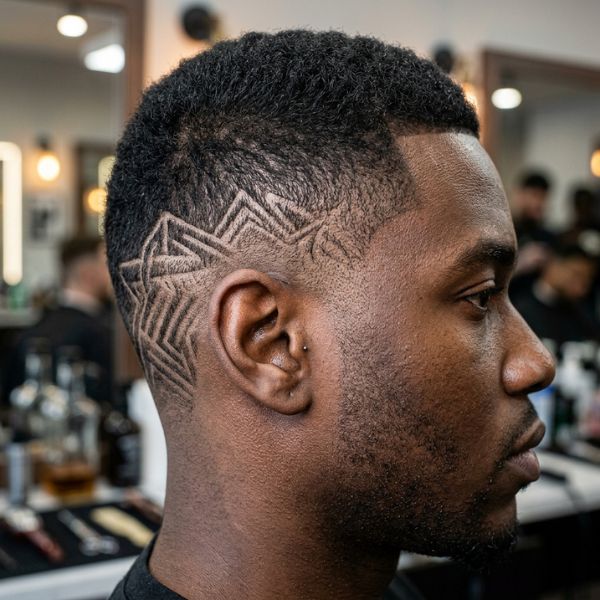
A single shaved line is the easiest design to start with if you have never had a hair design before. It is simple, clean, and easy for almost any barber to execute well. Some people add a second parallel line for extra detail. Lines also age gracefully, since they simply get thinner instead of losing their shape entirely.
Burst Fade Zigzag Design

A zigzag adds movement and energy compared to a straight line. It works especially well above the ear where there is enough curved space to fit two or three clean points. The main thing to watch is thickness. If the zigzag points are cut too thin, they blur together fast as new hair grows in, so ask your barber to keep each point wide enough to stay sharp for at least a week or two.
Burst Fade Lightning Bolt Design

The lightning bolt is one of the most requested burst fade designs right now, and it pairs especially well with a mohawk or a textured top because the bold shape matches the energy of those styles. Keeping the bolt a moderate width, not too thin and not too wide, helps it stay crisp and recognizable rather than turning into a blurry shape after a few days.
Burst Fade Heart Design

A heart design feels playful rather than aggressive, which is why it has become a favorite for younger clients and for anyone who wants a design with a softer feel. It works nicely as a small accent above or behind the ear rather than as a large centerpiece, since keeping it compact helps the outline stay defined.
Burst Fade Star Design
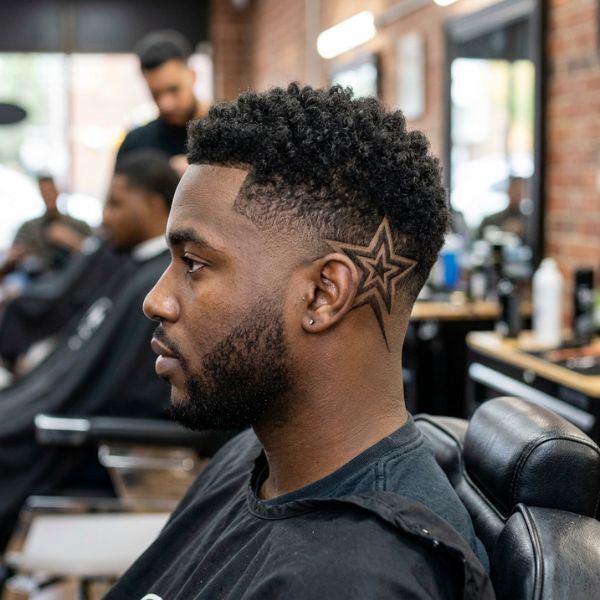
A star is a classic choice that never really goes out of style. A single star above the ear reads as confident without being overly flashy, and a small cluster of two or three stars can look even more detailed if you want extra personality. Star points are thin by nature, so this design tends to need touch ups a bit more often than a simple line.
Burst Fade Geometric Design and Negative Space
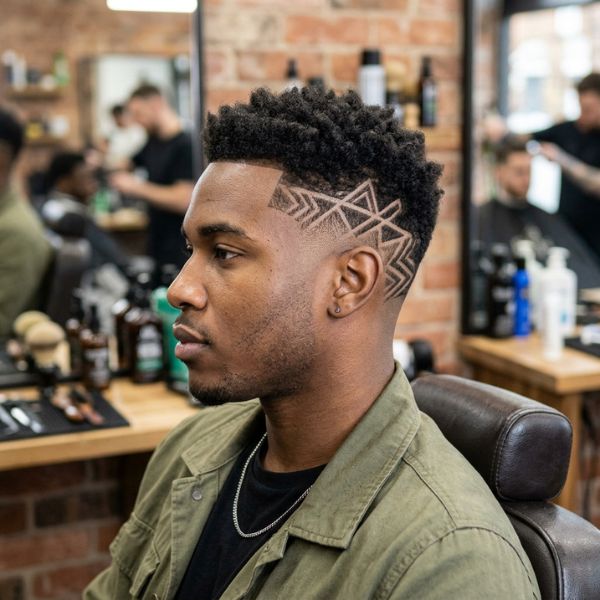
Geometric designs, like triangles, diamonds, or layered angular shapes, rely on negative space, meaning the untouched hair around the shaved lines becomes part of the pattern. This is one of the more advanced designs and benefits from a barber who has experience with precision line work, since clean negative space is what makes the geometry actually pop instead of looking muddled.
Burst Fade With V Design

A V shaped cut at the nape, sometimes just called a V design, follows the natural point where the hairline comes to a soft angle at the back of the neck. It is a subtle way to add definition without a loud pattern, and it works especially well when paired with a mullet, since the longer back hair frames the V shape nicely.
Low vs Mid vs High Burst Fade Design
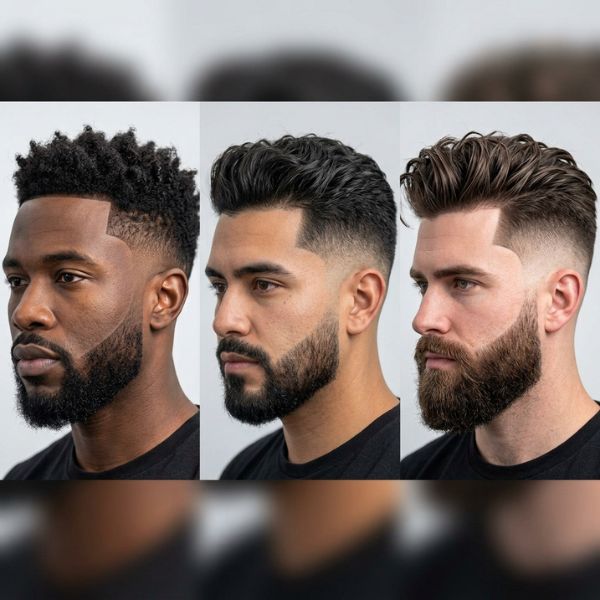
Where the fade starts on the head changes how much room there is for the design and how bold the overall look reads.
Low Burst Fade Design

A low burst fade keeps the fade close to the ear and hairline, leaving more length everywhere else on the head. Designs on a low burst fade tend to be smaller and more subtle since there is less exposed skin to work with. This is a good option for a first time design or for anyone who wants a more conservative look, including for school or workplace settings with stricter grooming policies.
Mid Burst Fade Design

A mid burst fade starts a bit higher, curving around the ear and offering more contrast between the shaved area and the top. This extra space gives a design more room to breathe, which is why mid burst fades are popular for zigzags, small geometric shapes, and slightly larger lightning bolts.
High Burst Fade Design
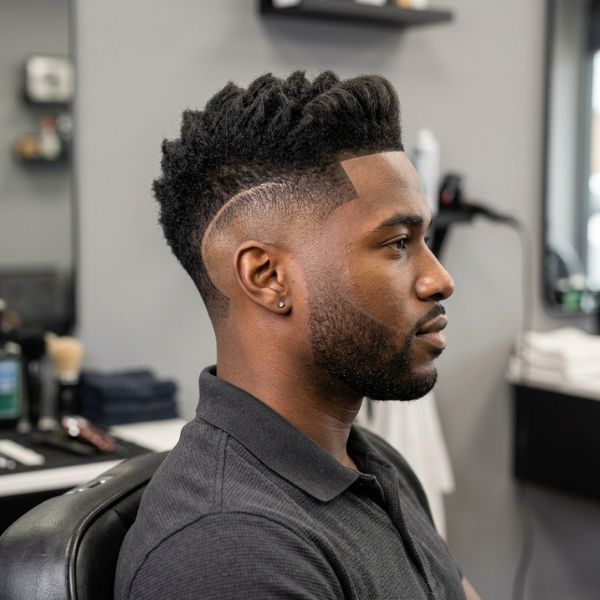
A high burst fade starts well above the ear, creating the boldest base for a design of the three heights. Because there is so much more exposed skin, high burst fades can support larger, more detailed patterns like layered geometric designs or a wider lightning bolt. This option delivers the most contrast and visibility but also requires the most frequent upkeep to keep the shorter areas from growing out and softening the design’s edges.
Read more: Textured Fringe Low Taper: Complete Guide for 2026
Burst Fade Design for Different Hair Types
Hair type has a real effect on how a design looks and how long it stays sharp, since texture, curl pattern, and thickness all interact differently with a shaved line.
Burst Fade Design on Straight Hair

Straight hair tends to show designs very clearly because there is little natural texture to interrupt the line of the pattern. Simple designs like a single line, a small star, or a thin geometric shape all read cleanly on straight hair. The trade off is that regrowth is also very visible on straight hair, so the design can start to look soft sooner than it would with thicker or curlier textures.
Burst Fade Design on Curly Hair
Curly hair needs a design that can hold up under natural volume and spring back. Thicker lines, zigzags, and lightning bolts tend to work better than fine detail work, since curls can partially cover very delicate lines. Placing the design above or behind the ear, where curls are less likely to fall over it, along with a clean, defined outline, helps the pattern stay visible for longer.
Burst Fade Design for Thick Hair vs Thin Hair
Thick hair usually makes a design pop because the contrast between the shaved skin and the dense hair around it is very strong, which means bigger shapes and bolder zigzags tend to look great. Thin hair creates less contrast, so a simple line design or a small, compact star usually reads better than a busy pattern with a lot of separate lines. Pairing a mid or high burst fade with thin hair can also help, since the added height creates more visual contrast on its own.
Burst Fade Design With Popular Top Styles
The design does not exist in isolation. It works together with whatever is happening on top of the head, so matching the two is part of getting the whole look right.
Burst Fade Mohawk Design
A mohawk keeps a strip of longer hair down the center of the head while the sides fade out completely, which makes it a natural match for bold designs like lightning bolts or geometric shapes. The height and drama of the mohawk pair well with a design that has similar energy, so a design that is too small or subtle can end up looking out of place next to it.
Burst Fade Mullet Design
A mullet burst fade keeps the back longer while the sides stay short and clean, and designs on this style tend to work best placed above the ear or behind the ear so the side profile stays sharp while the back does its own thing. A simple line or small zigzag is usually the safer choice here, since the mullet itself already brings plenty of visual interest.
Burst Fade Textured Crop or Fringe Design
A textured crop or fringe already has natural movement on top, so the design does not need to compete for attention. A single line or a small geometric shape is usually enough, letting the texture on top and the design on the side balance each other instead of overwhelming the whole look.
What to Tell Your Barber
Communication makes or breaks a design haircut. Since burst fade design haircuts have a lot of variation in arc height, fade depth, and design placement, it helps to be specific and, if possible, bring a reference photo so you and your barber are picturing the exact same result.
A simple, effective way to explain what you want is to walk through it in order:
- Say “burst fade” and point to the area behind or above your ear.
- Tell them the height you want: low, mid, or high burst fade.
- Specify whether you want a skin fade, all the way down to the skin, or a shadow fade with a bit of length left.
- Describe the design type: line, zigzag, lightning bolt, star, heart, geometric, or V design.
- Confirm the placement: above the ear, behind the ear, or the nape and V area.
Simple Guard and Blend Notes
If you know your preferred guard numbers from past haircuts, share them, since it saves time and helps the barber match your usual fade depth. It also helps to mention how much length you want on top and whether you want the top blended into the fade or left with a harder line, since this changes how the whole haircut reads once the design is added.
Burst Fade Design Maintenance
A shaved design does not stay sharp forever. Understanding how quickly it grows out helps you plan touch ups instead of being surprised when the pattern starts to blur.
How Often to Redo the Design
Most people start noticing regrowth around the design within two weeks, and by the three to four week mark the shape has usually blurred enough that it needs to be redone. Areas like the nape often grow out faster than the area above the ear, so a design placed there may need attention slightly sooner. If you want the design to stay crisp at all times, a touch up every two to three weeks is a realistic schedule.
Aftercare Tips
A few simple habits help a design stay clean between visits:
- Use a light moisturizer around the faded skin to prevent dryness or flaking.
- Avoid heavy styling products directly over the design so the lines stay visible.
- Gently clean up stray hairs with a trimmer if you are comfortable doing it yourself.
- Protect the area from excess sun exposure, since freshly shaved skin is more sensitive.
Burst Fade Design Mistakes to Avoid
A few common mistakes tend to show up again and again with burst fade designs, and most are easy to avoid with a little planning.
- Choosing a design that is too fine. Thin lines and delicate details blur within days. Ask your barber to keep shapes thick enough to last.
- Skipping the reference photo. Burst fades vary in arc height and depth, so a photo removes the guesswork.
- Picking a design that clashes with the top style. A busy pattern next to a busy top can look cluttered, while a tiny design next to a mohawk can get lost.
- Ignoring school or workplace rules. Some environments allow a plain fade but not a shaved pattern, so check before you commit.
- Not budgeting for maintenance. Designs need more frequent trims than a plain fade, so plan for it.
- Choosing a barber without design experience. Clean line work and negative space take practice, so ask to see a barber’s past design work first.
Conclusion
A burst fade design is one of the easiest ways to turn a classic fade into something more personal, whether that means a single clean line or a full geometric pattern. The key to getting it right comes down to a few things: picking a placement that fits your lifestyle, choosing a design that matches your hair type and top style, and being clear with your barber about height, depth, and shape before the clippers come out. Once you know the terminology and have a plan, walking into the barbershop with confidence becomes a lot easier, and keeping the design sharp afterward is simply a matter of regular touch ups and light aftercare.
Frequently Asked Questions
Does a burst fade design work with any hair type?
Yes, a burst fade design works with straight, wavy, curly, and coiled hair, though curly hair generally needs thicker, bolder shapes to stay visible.
How long does a burst fade design last before it needs a redo?
Most designs start blurring around the two week mark and need a full touch up by three to four weeks.
Is a burst fade design more expensive than a regular burst fade?
Many barbers charge a small extra fee for design work since it takes additional time and precision beyond a standard fade.
Can I get a burst fade design removed and go back to a plain fade?
Yes, a barber can simply blend the design back into the fade at your next visit, and it will disappear completely within one or two cuts as hair grows back evenly.
What is the easiest burst fade design for a first timer?
A single shaved line is the simplest and most forgiving design to start with, since it is easy for most barbers to execute cleanly.

Zaria Rhodes is the lead editor and content curator at Lyrinexa, passionate about music, storytelling, and lyrical expression. With a deep love for discovering the meaning behind songs, she brings clarity, creativity, and accuracy to every post. Zaria is dedicated to providing readers with authentic lyrics, thoughtful interpretations, and a seamless music-exploration experience.

2 thoughts on “Burst Fade Design: Best Hair Design Ideas, Placement, and Barber Tips (2026)”