


A low taper fade is the most requested haircut in Black barbershops for one simple reason: it works with almost every hair texture, from tight 4C coils to loose 3C curls, without erasing the natural shape of the hair. Whether you want crisp 360 waves, a rounded afro, long locs, or a short buzzed look, the low taper fade gives you a clean, professional frame without forcing a high contrast fade onto your style.
This guide breaks down what a low taper fade actually is, how it compares to other fades, the best variations for Black hair textures, which version suits your face shape, how to describe it to your barber, and how to keep it looking fresh between visits. If you have searched for low taper fade black male waves, low taper fade black male dreads, or low taper fade with a beard, everything you need is below.
What Is a Low Taper Fade for Black Men?
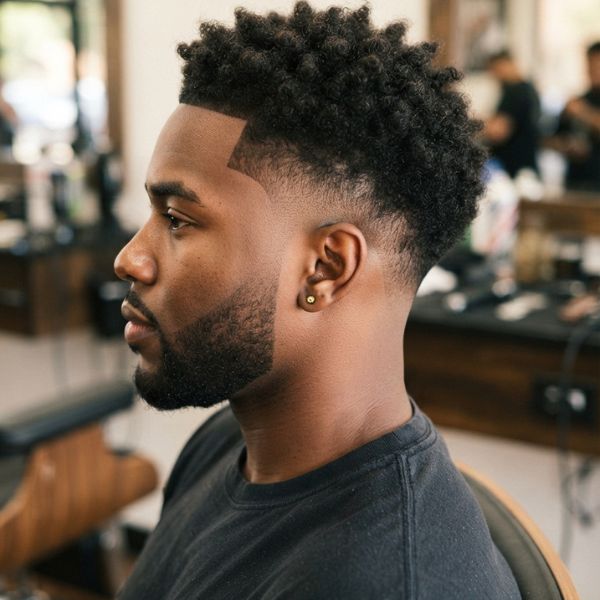
A low taper fade is a haircut where the hair gradually shortens near the sideburns, ears, and neckline, then blends smoothly into a longer length on top. The word “low” refers to where the fade begins on the head. Instead of starting near the temple or crown like a high or mid fade, a low taper starts close to the hairline and nape, so only a small section of hair is faded.
This makes the low taper fade the most subtle and forgiving fade option. It does not require a barber to remove a large panel of hair, which means it grows out cleanly, needs fewer touch ups, and keeps most of the natural volume that Black hair textures are known for.
For Black men, this matters because the top of the head is where texture lives, whether that is coils, curls, waves, or locs. A low taper fade cleans up the perimeter while leaving that texture fully visible, which is why it has become the default cut for men who want a sharp look without sacrificing their natural style.
Low Taper Fade vs Other Fades on Black Hair

Understanding how a low taper compares to other fades helps you choose the right one for your hair and lifestyle.
- Low taper fade: Starts near the ears and nape. Subtle transition, lowest maintenance, keeps the most length and texture.
- Mid fade: Starts around the temple, halfway up the side of the head. More visible contrast than a low taper, still workplace friendly.
- High fade: Starts near the top of the head or crown. Bold, high contrast look that shows off shape lines and designs.
- Skin fade (bald fade): Any of the above faded down to bare skin instead of stopping at a short guard length. Sharper edges, needs more frequent barber visits.
- Taper (no fade): A gradual shortening with no distinct fade line at all, often used for classic or professional looks like a Caesar cut.
A low taper fade sits at the low maintenance end of this scale. It is the easiest to grow out because there is less length difference between the sides and the top, which is a major reason it dominates search interest among Black men compared to high contrast fades.
Read More : Low Taper Fade Haircut Black Men: Best Styles, Barber Guide, and Maintenance
Why Low Taper Fades Work So Well for Black Hair

Black hair, especially in the 3C to 4C range, tends to shrink, coil, and hold shape differently than straighter hair types. A few reasons the low taper fade is especially well suited to these textures:
- It respects shrinkage. Since coily hair shrinks vertically, a low taper preserves enough length on top for curls, coils, or waves to show their natural pattern once dry.
- It reduces bumps and irritation. Starting the fade lower means less blade contact against the skin near the hairline, which can help men prone to razor bumps or ingrown hairs along the neckline.
- It frames without flattening. Because only the bottom edge is faded, the crown keeps its natural round or square silhouette instead of being cut into a flat, boxy shape.
- It supports every current style. Waves, afros, twists, braids, and locs all rely on visible top length. A low taper is the fade that interferes the least with that length.
- It is barber chair efficient. Less blending work at the top means faster appointments and more consistent results between different barbers.
Top Variations of Low Taper Fade Black Male Hairstyles
The low taper fade is not one single haircut. It is a fade technique that can be paired with dozens of top styles. Below are the most requested variations in 2026.
Short & Buzz-Cut Low Taper Fades
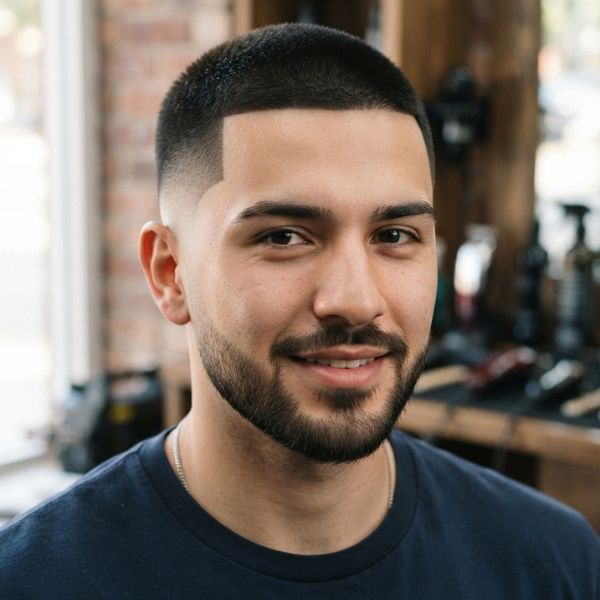
For men who want the lowest maintenance option, a short buzz on top paired with a low taper is a clean, all purpose look. Typically cut with a number 1 to number 3 guard on top, this style still shows off natural curl pattern without any daily styling required. It works for school, job interviews, and gym routines equally well, and it is the easiest style to keep sharp between barber visits since there is very little length to grow out unevenly.
Waves, 360 Waves & Coils

The 360 waves look, where the hair forms a rippling, circular wave pattern across the whole head, pairs naturally with a low taper because the fade keeps the sides clean while the waves stay uninterrupted on top. To build waves, hair is usually kept short (a half inch or less), brushed consistently in a circular pattern, and wrapped or covered with a durag overnight. A low taper fade complements this because it does not compete with the wave pattern the way a high fade can. Coil focused styles, where curls are left slightly longer and defined with a curl cream, also benefit from the same low, subtle fade line.
Afro Tops & Shaped Afros
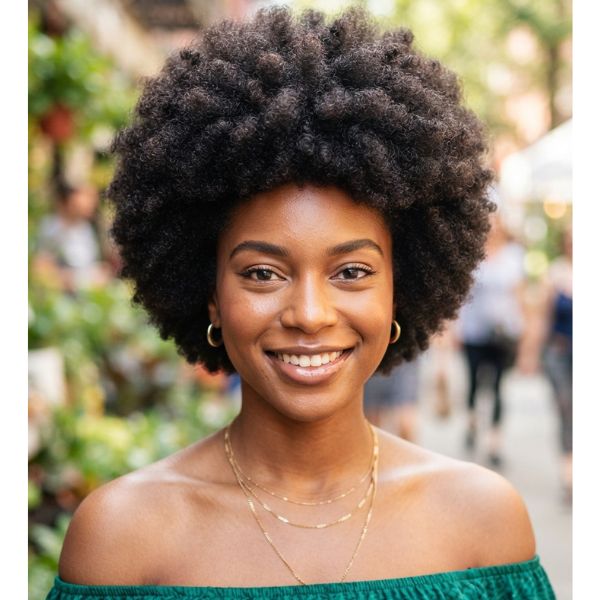
The afro remains one of the most iconic Black hairstyles, and a low taper turns a loose afro into a structured, intentional shape. There are two common approaches:
- Short afro with low taper: About 1 to 2 inches of top length, rounded evenly, with clean tapered sides. Low maintenance and workplace appropriate.
- Full shaped afro with low taper: 3 to 5 inches of volume on top, shaped with an afro pick, contrasted against tighter, blended sides for a bold, rounded silhouette.
Both versions rely on daily moisture (like a leave in conditioner or light oil) to keep curls defined and prevent dryness at the ends.
Long Hair, Braids, Locs & Dreads

Men growing out locs, dreads, or braids often still want clean sides, and a low taper delivers that without disturbing the length on top. This combination, tight fade below with flowing locs or braided length above, has become one of the most photographed Black male hairstyles because of the contrast between structure and freedom. Barbers recommend re-lining the fade every 2 to 3 weeks while locs or braids themselves are maintained on a separate retwist or rebraid schedule.
Sponge Twists & Hybrid Textures

Sponge twists, created with a twist sponge tool to form small, uniform curls, are popular for men who want texture without long term commitment like locs. A low taper fade cleans up the base while the sponge twisted top adds definition and volume. This is considered a hybrid style because it blends a protective styling method with a classic fade, giving a modern, low effort look that still photographs sharp.
Beards, Line-Ups & Designs

A low taper fade is frequently paired with:
- A beard fade, where the beard blends into the sideburn and the low taper on the side of the head, creating one continuous line from jaw to temple.
- A line up (edge up), a crisp, straight line cut along the hairline and temples using clippers or a straight razor for extra sharpness.
- Hair designs, thin shaved lines, part designs, or small geometric patterns cut into the tapered section for a more personalized finish.
These add ons do not change the fade itself but elevate the overall presentation, especially for events, graduations, or barbershop competitions.
Read More : Messy French Crop Men: Best Styles, Hair Types, Barber Guide & Styling Tips
Mohawk, FRO Hawk & Mid Low Taper

For men who want more edge, a mohawk or FRO hawk (an afro textured mohawk) combines a strip of longer hair down the center with a low taper on both sides. A mid low taper, a slightly higher starting point than a classic low taper but still lower than a true mid fade, is a popular middle ground for men who want a bit more visible contrast without committing to a high fade. Both options work well with curly, coily, or wavy top textures.
Best Low Taper Fade Black Male for Different Face Shapes

The right top length and fade height can balance your facial proportions. Use this as a general guide, then let your barber fine tune it in person.
- Oval face: The most versatile shape. Almost any low taper variation works, from a short buzz to a full afro.
- Round face: Choose more height and volume on top (a shaped afro or waves with lift) rather than a flat, rounded cut, since added height creates the illusion of length.
- Square face: A low taper is naturally flattering here because the subtle fade softens strong, angular jawlines without adding harsh contrast at the temples.
- Long or rectangular face: Keep some width on the sides and avoid excessive height on top. A short afro or textured coil top adds fullness without stretching the face further.
- Diamond face: A low taper with light volume at the crown balances a narrower jawline and forehead.
- Heart shaped face: A low taper with fuller sides (waves or twists) helps balance a wider forehead against a narrower chin.
How to Ask for Low Taper Fade Black Male at the Barber
Miscommunication is the most common reason a fade turns out wrong. Use this simple script when you sit in the chair:
- State the fade type and height clearly. Say “a low taper fade, starting at the nape and around the ears, not higher up the sides.”
- Specify the top length. Give a guard number or inch measurement, for example “leave 1.5 to 2 inches on top” or “keep enough length to show my curl pattern.”
- Mention your texture goal. Tell the barber if you are growing waves, an afro, locs, or braids, since this changes how much length they leave and how they blend it.
- Ask about the hairline and beard. Confirm whether you want a line up, a natural hairline, or a beard blend.
- Bring a reference photo. A clear photo removes guesswork, especially with a new barber, and helps match the exact fade height you want.
- Confirm maintenance timing before you leave. Ask how many weeks until the fade needs a refresh based on how fast your hair grows.
How to Maintain Low Taper Fade Black Male Cuts

A low taper fade is low maintenance compared to high contrast fades, but it still needs a consistent routine to stay sharp.
- Get touch ups every 2 to 3 weeks. Since the fade sits close to the hairline, regrowth is less noticeable than a high fade, but the edge will still soften over time.
- Moisturize daily. Use a light oil, leave in conditioner, or curl cream to prevent dryness, which is common with coily and curly textures.
- Avoid heavy pomades on curly or coily tops. Heavy products weigh down natural curl patterns and can cause buildup at the scalp. Lighter creams or gels work better for texture definition.
- Protect waves and curls at night. A silk or satin durag or bonnet prevents frizz and helps maintain wave patterns or curl definition while you sleep.
- Trim the hairline between visits if needed. A small at home touch up with clippers along the neckline can extend the time between full barber appointments.
- Wash on a regular schedule. Cleanse the scalp every 1 to 2 weeks with a moisturizing shampoo to prevent buildup without stripping natural oils, which is especially important for wave and coil maintenance.
Common Mistakes & How to Avoid Them
Even a simple fade can go wrong without attention to detail. Watch for these common issues:
- Taking too much length off the top. A low taper needs enough top volume to balance the clean sides. Ask your barber to leave more than you think you need, since it is easier to cut more off later than to add length back.
- Choosing the wrong fade height for the goal. Requesting a “low taper” but showing a photo of a mid or high fade leads to confusion. Be specific about where the fade starts.
- Skipping regular moisture. Dry ends make curls, coils, and waves look dull and increase breakage, especially on shorter, faded styles where hair is more exposed.
- Overusing heavy products. Product buildup flattens curl definition and can clog pores near the tapered sides, leading to irritation.
- Waiting too long between trims. Letting the fade grow out fully before returning to the barber makes it harder to maintain a sharp line and can require starting the shape over.
- Not communicating hair goals. If you are growing locs, waves, or an afro, tell your barber your long term goal, not just what you want today, so they cut in a way that supports future growth.
Frequently Asked Questions
Is a low taper fade good for Black hair?
Yes. It works with 3C to 4C textures because it keeps enough length on top to show curls, coils, waves, or locs while still cleaning up the sides.
How often should I get a low taper fade touched up?
Most men need a refresh every 2 to 3 weeks, depending on how fast their hair grows and how sharp they want the line to stay.
What is the difference between a low taper fade and a low fade?
A low taper fade blends gradually and rarely reaches bare skin, while a low fade (skin fade) can be cut down to the scalp near the hairline for a sharper contrast.
Can I get a low taper fade with locs or braids?
Yes. Barbers commonly fade the sides and neckline while leaving the locs or braided sections on top untouched, creating a clean, structured look.
Does a low taper fade work for round faces?
Yes, as long as extra height or volume is left on top to visually lengthen the face rather than keeping the top flat.
Is a low taper fade suitable for a professional or office setting?
Yes. It is considered one of the most workplace appropriate fades because the subtle blend and moderate top length read as neat and polished.
Read More : Military High Fade Haircut for Men: Complete Barber Guide
Conclusion
The low taper fade has stayed at the top of Black men’s grooming trends for one clear reason: it adapts to almost any hair texture and personal style without demanding constant upkeep. Whether you are building waves, growing an afro, maintaining locs, or simply want a clean buzz cut, a low taper gives you a sharp, professional edge while letting your natural hair do the talking on top. Bring a clear reference to your next barber appointment, communicate your top length and texture goals, and keep a consistent moisture and trim routine, and this cut will stay fresh season after season.

Zaria Rhodes is the lead editor and content curator at Lyrinexa, passionate about music, storytelling, and lyrical expression. With a deep love for discovering the meaning behind songs, she brings clarity, creativity, and accuracy to every post. Zaria is dedicated to providing readers with authentic lyrics, thoughtful interpretations, and a seamless music-exploration experience.
