


The low taper fade has become the most requested cut in Black barbershops in 2026, and it is easy to see why. It is clean enough for the office, sharp enough for the weekend, and forgiving enough to grow out without an emergency trip to the barber. Whether your hair naturally forms waves, coils tightly into an afro, or grows long into locs and braids,low taper fade haircut black, a low taper fade gives it structure without stripping away the texture that makes Black hair unique.
This guide breaks down what a low taper fade actually is, how it compares to mid and high fades, the best variations for every hair type in 2026, and exactly what to say in the chair so you walk out with the cut you pictured. You will also find face shape pairings, at home maintenance tips, and answers to the questions men ask most often before booking an appointment.
What Is a Low Taper Fade for Black Men?
A low taper fade is a gradual haircut where the sides and back shorten slowly, starting just above the ears and blending down toward the neckline. Unlike a skin fade that shaves all the way to bare scalp, low taper fade haircut black,a low taper often keeps a light dusting of hair at the bottom, or fades to a very close skin line only in the lowest inch or two of the head.
The word “low” refers to where the fade begins, not how short the overall cut is. Because the transition sits close to the hairline, more length and volume stay on top, which is exactly why this cut works so well with afro texture, waves, curls, and longer styles like locs and braids. It reads as neat and controlled rather than dramatic.
Low Taper Fade vs Other Fades on Black Hair

Understanding where a fade starts is the easiest way to tell one style from another when you are sitting in the barber chair.
- Low taper fade: Begins just above the ear, close to the hairline. Subtle, professional, and low maintenance.
- Mid taper fade: Starts around the temple area, roughly halfway up the side of the head. Offers more contrast without going too bold.
- High taper fade: Begins well above the temple, sometimes near the top of the head. Creates the sharpest, most dramatic contrast.
- Skin fade: Can happen at low, mid, or high placement, but always fades all the way down to bare skin for maximum contrast.
- Taper (no fade): A simple gradual shortening with no blend to skin, often used for more conservative or workplace looks.
For Black men,low taper fade haircut black tends to be the most versatile of the group because it pairs cleanly with dense, curly, or coily hair types without competing with the natural texture on top.
Read More : Burst Fade Design: Best Hair Design Ideas, Placement, and Barber Tips (2026)
Why Low Taper Fades Work So Well for Black Hair
Black hair, especially 3C to 4C textures, shrinks, coils, and holds shape differently than straight or wavy hair. A few reasons the low taper fade has become a go to choice:
- It respects natural texture. Because the fade zone is small, your barber does most of the shaping work close to the hairline, leaving curls, coils, or waves untouched on top.
- It grows out gracefully. A low taper is the most forgiving fade to grow between appointments since the contrast line sits low and blends softly.
- It suits thick, dense hair. Dense afro textured hair holds volume well, and a low taper keeps that volume balanced instead of overwhelming the face.
- It works with protective styles. Locs, braids, twists, and cornrows all pair naturally with a low fade because the sides stay tidy while the top or length does the talking.
- It is low maintenance. Most men can stretch appointments to every three to four weeks, which is longer than the one to two week cycle many high fades require.
Top Variations of Low Taper Fade Black Male Hairstyles
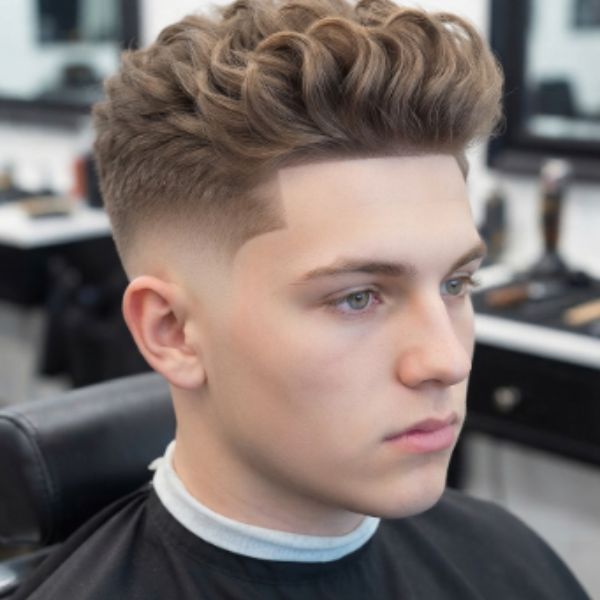
The low taper fade isn’t a single haircut. It’s a foundation that barbers customize based on hair type, length, and personal style. Here are the most requested variations going into 2026.
Short & Buzz-Cut Low Taper Fades
A short buzz on top paired with a low taper fade is the easiest style to maintain and the fastest to style in the morning. It works well for men who want a sharp, clean silhouette without much daily upkeep. A light beard oil or matte cream on top keeps the texture defined without weighing hair down.
Waves, 360 Waves & Coils
Waves and a low taper fade are a natural match. The fade keeps the sides crisp while the top is brushed consistently to train the hair into a rippling 360 pattern. Barbers typically recommend a soft or medium hold pomade, along with a durag or wave cap at night, to lock in pattern between cuts.
Afro Tops & Shaped Afros
A rounded or boxed afro on top with a tight low taper underneath is one of the most iconic combinations in Black hairstyling. The fade adds definition and shape while the afro stays full and voluminous. This look works especially well for men who want to embrace their natural curl pattern without daily styling.
Long Hair, Braids, Locs & Dreads
For men growing out locs, dreads, or braids, a low taper fade cleans up the perimeter while letting the length on top remain the focal point. Popular options include a low fade with a loc bun, a fade with cornrows leading into a ponytail, or a fade paired with two strand twists. Barbers usually re taper the sides every three to four weeks even while the top continues growing.
Sponge Twists & Hybrid Textures
Sponge twists, sometimes called coil sponges, create tight defined curls on shorter hair and pair well with a low fade for a textured, structured finish. This style has grown in popularity because it gives short hair a curlier, more sculpted look without chemical treatment. It is a great in between option for men transitioning from a buzz cut to a longer curly top.
Beards, Line-Ups & Designs
Most Black men pair a low taper fade with a beard line up, which sharpens the jawline and connects the haircut to the facial hair for one cohesive look. Some also add a hair design, such as a shaved part or a small pattern near the temple, for extra personality. If you want a design, mention it before the fade begins, since it is easier to plan the placement first.
Mohawk, FRO hawk & Mid Low Taper
A frohawk combines a low taper fade on the sides with a raised strip of natural curls or coils down the center, giving a bold, structured look that still uses natural texture. A mid low taper, sometimes requested as a blend between mid and low placement, is a good middle ground for men who want a bit more contrast without going too high on the head.
Best Low Taper Fade Black Male for Different Face Shapes

Your face shape can guide how much volume to keep on top and how tight to cut the sides.
- Oval face: Naturally balanced, so almost any top style works, from a shaped afro to a textured crop.
- Round face: A low taper fade with added height on top, such as a frohawk or a taller afro, helps elongate the face.
- Square face: Softer, rounded shapes on top balance strong jawlines. Avoid overly boxy afro shapes that add width.
- Diamond face: A low taper with fuller sides and moderate top volume helps soften prominent cheekbones.
- Long or oblong face: Keep more width on the sides and avoid excessive height on top to prevent the face from looking longer.
- Heart shaped face: A low taper with a fuller top and tapered sides balances a wider forehead with a narrower jawline.
Read More : Boys Mullet Haircut Guide 2026: Styles, Fades, and Care
How to Ask for Low Taper Fade Black Male at the Barber
Clear communication saves you from a haircut you did not ask for. Try this script in the chair:
- Say the fade placement clearly: “I want a low taper fade, starting just above my ears.”
- Specify the guard numbers if you know them, for example a number two or three on the sides blending down.
- Describe the top length and texture goal, such as “keep the afro full on top” or “leave enough length for waves.”
- Mention any extras up front, including a beard line up, a hair design, or a specific part.
- Bring a reference photo that matches your hair texture, since a style on straight hair will not translate the same way to coily hair.
How to Maintain Low Taper Fade Black Male Cuts

A low taper fade holds its shape longer than higher fades, but a few habits keep it looking fresh between visits.
- Book a refresh every three to four weeks to keep the fade line crisp.
- Brush waves daily with a soft or medium bristle brush to maintain pattern and reduce frizz.
- Use lightweight creams or curl defining products on afro or coily tops instead of heavy gels, which can cause buildup.
- Wash two to three times a week with a moisturizing shampoo to prevent dryness, which is common with tightly coiled hair.
- Sleep with a silk or satin durag or bonnet to protect waves, curls, and the fade line overnight.
- Trim the hairline and neckline at home with a small trimmer if you need to stretch time between barber visits.
Common Mistakes & How to Avoid Them
- Skipping reference photos. Verbal descriptions alone often lead to miscommunication. Bring at least one clear photo.
- Ignoring hair texture in the reference. A cut that looks great on straight hair will fade and style differently on coily hair, so match references to your own texture.
- Over washing. Washing too often strips natural oils that Black hair needs, leading to dryness and breakage.
- Heavy product use. Thick gels and waxes can clog pores and cause buildup on both the scalp and the fade line.
- Waiting too long between visits. While a low taper is forgiving, waiting more than five or six weeks lets the fade line grow out and lose its shape.
- Not communicating the finish. Always tell your barber if you want the bottom to fade completely to skin or just get very short, since these produce noticeably different results.
Low Taper Fade Black Male

A low taper fade black male haircut works because it adapts to nearly every hair type, length, and personal style found in Black hair culture, from tight coils to loose waves to long protective styles. It is a foundation cut, meaning the sides and back stay clean while the top becomes a canvas for afros, waves, twists, locs, or braids. That flexibility, paired with its low maintenance schedule, is why it remains one of the most searched and most requested men’s haircuts heading into 2026.
Frequently Asked Questions
How often should I get a low taper fade touched up?
Most men schedule a refresh every three to four weeks, which is longer than higher fade styles typically allow.
Does a low taper fade work with 4C hair?
Yes, a low taper fade is one of the most flattering options for 4C hair since it keeps volume on top while cleaning up the sides.
Can I get a low taper fade with dreadlocks or braids?
Absolutely. Barbers commonly taper the sides and neckline while leaving locs or braids untouched on top for a clean, structured look.
What is the difference between a low taper and a low fade?
A low taper blends gradually and may not reach bare skin, while a low fade usually fades all the way down to skin at the bottom.
Is a low taper fade good for a first haircut with a new barber?
Yes, it is considered a safe, versatile starting point since it suits most face shapes, hair types, and styling preferences.
How do I keep my waves defined with a low taper fade?
Brush consistently, use a light pomade or wave cream, and sleep in a durag or wave cap to protect the pattern overnight.
Read More : Brandon Marsh Wife: Exclusive Facts on Girlfriend & Net Worth (2026)
Conclusion
The low taper fade earns its place as a leading Black men’s hairstyle in 2026 because it does not force a single look. It flexes around waves, coils, afros, locs, braids, and everything in between, while keeping maintenance simple and the finished result sharp. Whether you are booking your first fade or refining a style you already love, understanding where the fade starts, how to communicate it clearly, and how to care for it at home is the difference between a good haircut and a great one. Bring your reference photos, know your hair texture, and let your barber shape a low taper fade that fits your face, your lifestyle, and your personality.

Zaria Rhodes is the lead editor and content curator at Lyrinexa, passionate about music, storytelling, and lyrical expression. With a deep love for discovering the meaning behind songs, she brings clarity, creativity, and accuracy to every post. Zaria is dedicated to providing readers with authentic lyrics, thoughtful interpretations, and a seamless music-exploration experience.
