


The mullet is no longer a throwback joke. It has settled into mainstream hairstyling as a genuine trend, and straight hair happens to be one of the best textures to pull it off. The clean lines, sharp contrast between lengths, and glossy finish that straight strands naturally provide make this cut look intentional rather than accidental.
This guide breaks down everything you need to know about wearing a straight hair mullet in 2026, from the classic silhouette to the fade variations, styling routine, product picks, and how to explain the cut to your barber so you walk out with exactly the look you wanted.
What Is a Straight Hair Mullet?
A straight hair mullet is a haircut with short or cropped hair on the top, sides, and front, while the back is left noticeably longer. On straight hair, this contrast reads as crisp and graphic instead of soft, because there is no natural curl pattern to blur the transition between lengths.
The result is a style that can look edgy, retro, or polished depending on how it is cut and styled. Straight hair holds a sleek line at the crown and temples, while the back section falls flat and shows off length, layers, or texture that has been added with a flat iron or blow-dryer.
Why Straight Hair Is Perfect for a Mullet

Straight hair has a few natural advantages that make it well suited to the mullet shape.
- Clean length separation. Because straight strands lie flat, the difference between the short top and long back is easy to see and easy for a barber to cut with precision.
- Shine and movement. Straight hair reflects light evenly, which gives the longer back section a glossy, healthy look without extra product.
- Easier fade blending. A taper or fade shows up more clearly on straight hair, so the gradient between skin and hair length looks sharp rather than muddled.
- Low styling effort for structure. You do not need to fight curl or frizz to get a defined silhouette, which means fewer products and less daily time spent styling.
The one trade-off is volume. Straight hair, especially fine straight hair, can sit flat at the crown, so most straight hair mullets rely on layering or light texturizing to avoid a pancake-like top.
Straight Hair Mullet Variations
There is no single way to wear this cut. The following variations cover the most requested styles for 2026, ranging from subtle to statement making.
Read More : Messy French Crop Haircuts: Fast Style, Sharp Results
Classic Straight Hair Mullet
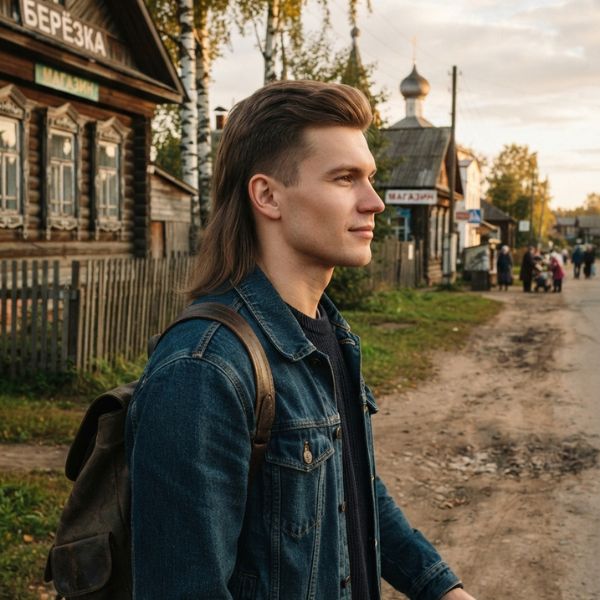
The classic version stays close to the original 1970s and 1980s shape: short sides, a slightly longer top, and an unmistakably long back. On straight hair, this style looks retro without extra effort because the flat lengths naturally recreate the vintage silhouette. It works well for anyone who wants a nostalgic look with minimal daily styling.
Modern Straight Hair Mullet
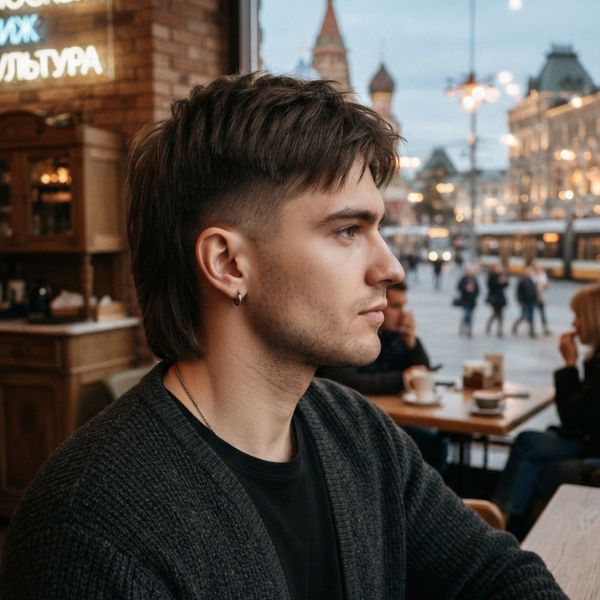
The modern mullet softens the dramatic length gap of the classic version. Sides are usually tapered or faded, the top is textured rather than bulky, and the back is trimmed into shape instead of left shaggy. This variation blends into everyday and professional settings far more easily than the classic cut.
Straight Hair Mullet with Taper Fade

A taper fade mullet combines a gradual fade on the sides with the traditional long back. The fade starts tight near the ear and hairline and gradually blends upward into the longer top section. On straight hair, this transition looks especially sharp because there is no curl to soften the blend line.
Low Taper Straight Hair Mullet
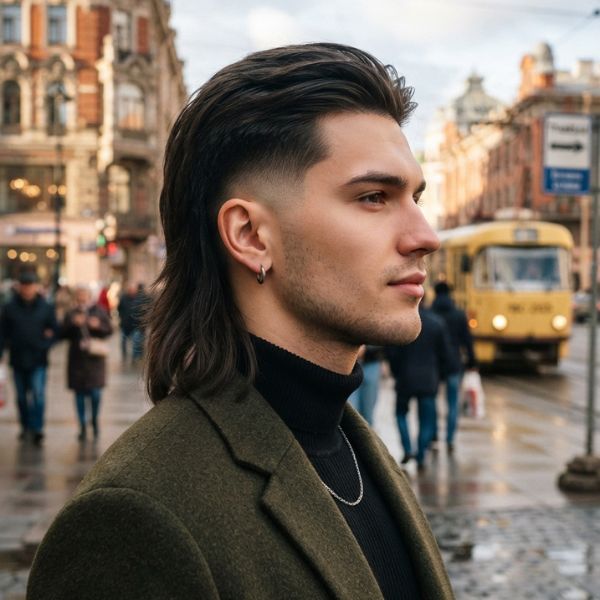
A low taper keeps the fade close to the hairline instead of climbing up toward the temple. This creates a subtler, more conservative version of the fade mullet that still leaves length untouched at the back and top. It suits workplaces or more formal settings where a high, dramatic fade might feel too bold.
Straight Hair Mullet Fade

This is a broader term covering any mullet where the sides and back are faded rather than simply clipped short. Fades can be low, mid, or high, and can be paired with a skin fade for maximum contrast. Straight hair shows off the fade lines cleanly, which is why this combination has become one of the most searched mullet styles.
Short Straight Hair Mullet

A short mullet keeps the back length modest, usually just past the collar, while the top and sides stay tight. This is the easiest version to maintain and the most beginner friendly, since it does not require months of growing out the back before the style takes shape.
Long Straight Hair Mullet
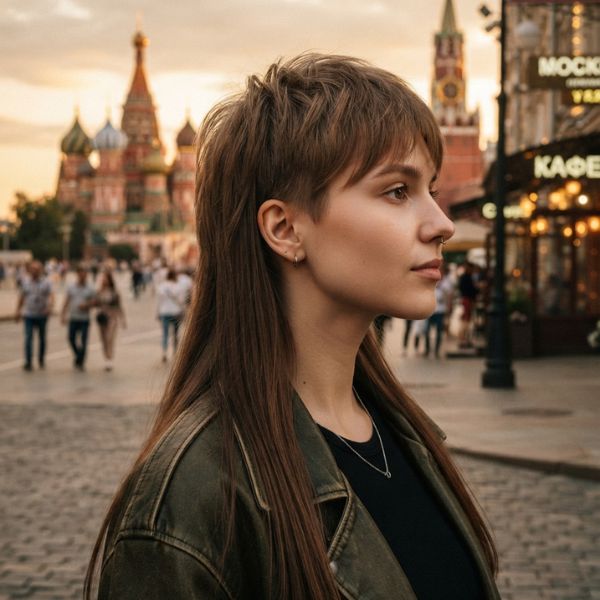
The long version pushes the back section well past the shoulders while keeping a short or faded top. This is a statement style that takes longer to grow and needs regular trims to prevent split ends, since straight hair shows breakage more obviously than curly or wavy hair.
Layered Straight Hair Mullet

Layering adds movement to the longer back section so it does not hang flat. On straight hair, layers also help reduce bulk and give the ends a softer, feathered finish. This variation is popular for anyone who wants a mullet that looks styled rather than simply grown out.
Straight Hair Mullet with Fringe or Bangs

Adding a fringe or curtain bangs at the front balances the length contrast of a mullet and frames the face. Straight hair holds a fringe shape well since it does not curl upward or lose its line throughout the day. This variation pairs especially well with round or square face shapes.
Straight Hair Shag Mullet

The shag mullet blends heavy layering, choppy ends, and a wolf cut style top with the classic long-back mullet silhouette. It relies on texturizing rather than sharp lines, giving straight hair a tousled, lived-in look that still keeps the mullet’s signature shape.
How to Style a Straight Hair Mullet
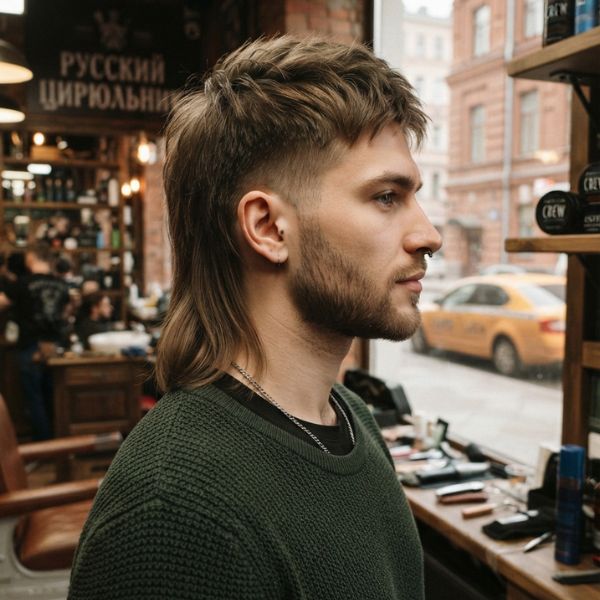
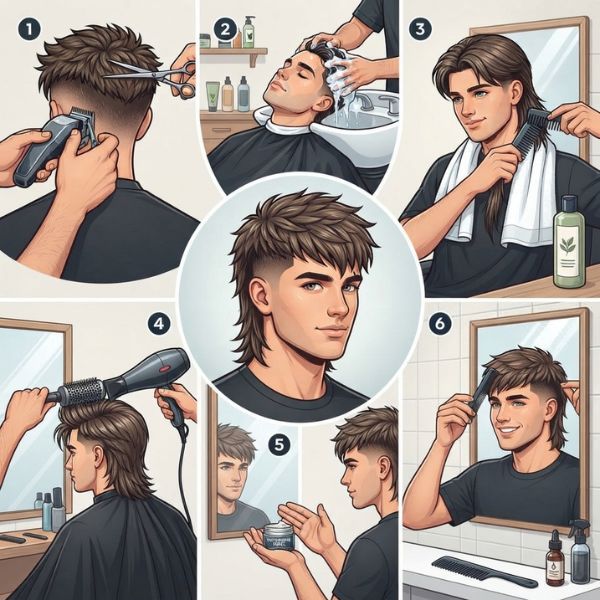
Styling a straight hair mullet is straightforward once you understand the routine. Follow these steps for a clean daily result.
- Start with damp hair. Apply a lightweight mousse or texturizing spray from roots to ends while hair is still slightly damp.
- Blow-dry with direction. Use a round brush at the crown to lift the roots and prevent the top from sitting flat, then direct the back section downward or outward depending on the desired shape.
- Add texture to the top. Work a small amount of matte clay or texturizing paste through the top section to build separation and volume.
- Define the back. For a smoother look, run a flat iron lightly through the back. For a shaggier finish, twist small sections and apply a texturizing spray instead.
- Set with a light hold product. Finish with a light-hold spray so the style stays flexible instead of stiff or crunchy.
Read more : 15 Best Wavy Mullet Haircuts That Are Trending in 2026
Best Products for a Straight Hair Mullet
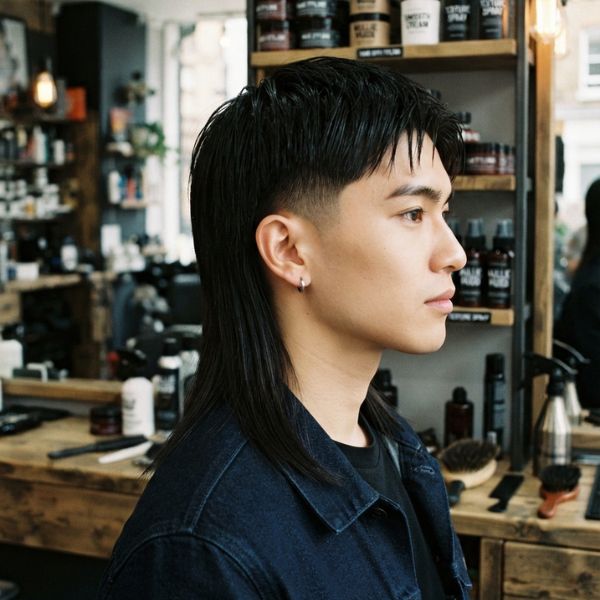
The right products depend on whether your hair is fine, medium, or thick, but a few categories cover most straight hair mullet needs.
- Volumizing mousse: Builds lift at the roots, especially important for fine straight hair that tends to fall flat.
- Texturizing spray: Adds grip and a matte finish without weighing hair down.
- Matte clay or paste: Best for defining the shorter top section with a natural, non-shiny look.
- Lightweight pomade: Useful for smoothing and adding shine to the longer back section.
- Heat protectant spray: Essential before any blow-drying or flat ironing to prevent damage to the longer, more exposed back hair.
- Light-hold finishing spray: Locks the style in place while keeping movement and flexibility.
What to Tell Your Barber for a Straight Hair Mullet

Clear communication is the difference between a mullet you love and one you regret. Bring reference photos and be specific about the following details.
- Fade type: Specify low, mid, or high taper, or ask for a skin fade if you want maximum contrast.
- Top length: State how much length you want to keep on top in inches or finger widths.
- Back length: Clarify how far past the collar or shoulders you want the back to reach.
- Blend style: Mention whether you want a sharp, defined line between sections or a soft, blended transition.
- Texture: Ask for point cutting or thinning shears if you want a shag-style, textured finish instead of blunt ends.
- Maintenance schedule: Ask how often you will need to return for a trim to keep the fade sharp while the back keeps growing.
Straight Hair Mullet Maintenance Tips
Keeping a straight hair mullet looking sharp takes a bit of routine upkeep.
- Trim the fade every two to four weeks. Fades grow out fastest and need regular touch-ups to stay clean.
- Trim the back every eight to twelve weeks. This prevents split ends without sacrificing the length you are growing out.
- Wash two to three times a week. Washing too often can strip natural oils and leave straight hair looking dry or flat.
- Use a heat protectant every time you style with heat. Straight hair mullets often involve blow-drying or flat ironing, which can weaken hair over time without protection.
- Deep condition weekly. This keeps the longer back section soft and reduces breakage, especially if you are growing it out.
- Brush gently, starting from the ends. This reduces tangling and stress on the hair shaft, particularly for longer mullet variations.
Straight Hair Mullet for Men

For men, the straight hair mullet is often paired with a fade on the sides and a slightly longer, textured top. Popular combinations include the taper fade mullet, the burst fade mullet, and the shag mullet with a fringe. Many men choose a shorter back length for a more versatile, everyday-friendly version that still nods to the mullet’s rebellious roots.
Straight Hair Mullet for Women
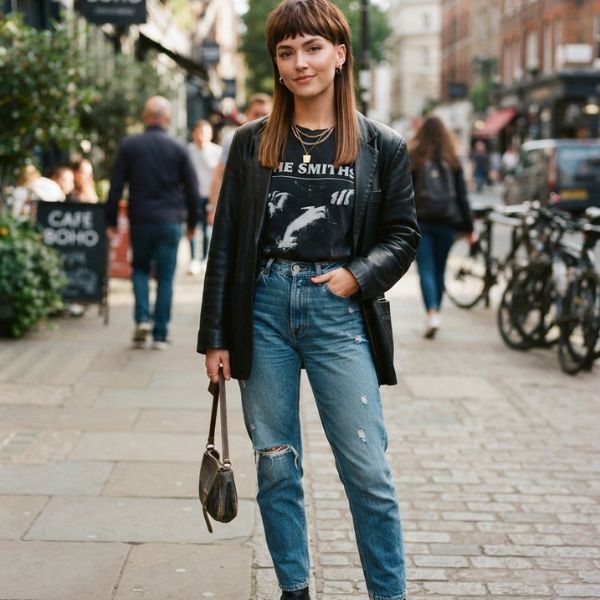
Women’s straight hair mullets tend to lean into layering and movement. Curtain bangs, face-framing layers, and a shag-inspired top are common choices that soften the cut while keeping the signature long-back silhouette. This version works well for those transitioning from long hair, since the front and sides can be trimmed gradually while the back length is preserved.
Straight Hair Mullet for Girls
For younger girls, a straight hair mullet is usually kept simple and low maintenance, with soft layers instead of a hard fade. A shorter back length and a rounded fringe are common, giving a playful, easy-to-manage version of the trend that still grows out gracefully.
Straight Hair Mullet vs. Wolf Cut
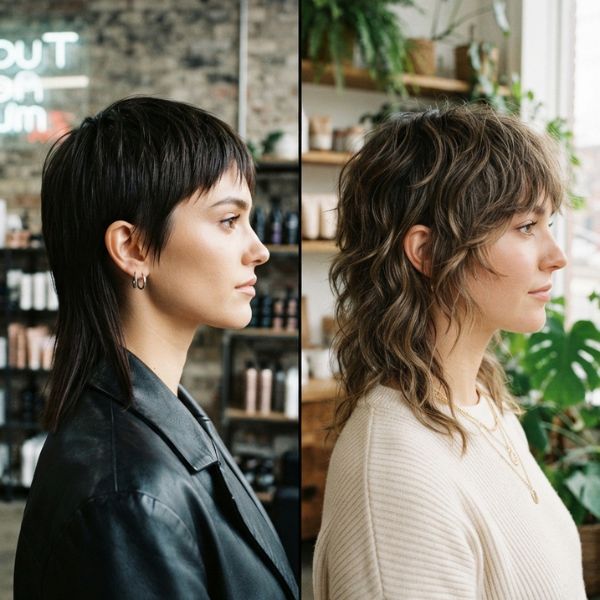
Both styles combine short and long lengths, but they are not the same cut.
| Feature | Straight Hair Mullet | Wolf Cut |
|---|---|---|
| Length contrast | Sharp, defined separation between short and long | Gradual, blended through heavy layering |
| Texture | Usually smooth or lightly textured | Always heavily textured and choppy |
| Best for | Bold, retro or fade-forward looks | Soft, shaggy, low-maintenance looks |
| Styling effort | Moderate, relies on clean lines | Lower, relies on natural texture |
In short, a mullet is defined by length contrast, while a wolf cut is defined by heavy layering and texture. Some straight hair shag mullets sit in between the two, borrowing the wolf cut’s texture while keeping the mullet’s longer back.
Best Face Shapes for a Straight Hair Mullet

Almost anyone can wear a straight hair mullet, but a few adjustments help it suit different face shapes.
- Round faces: A longer top with height at the crown elongates the face; pair with a fade to add definition along the jawline.
- Square faces: Softer, layered edges around the front balance strong jaw angles; a fringe works especially well here.
- Oval faces: This is the most flexible face shape for a mullet, since almost any variation, from classic to shag, will suit it.
- Heart-shaped faces: Curtain bangs or a side-swept fringe help balance a wider forehead with a narrower chin.
- Long faces: Avoid excessive height on top; a low taper and fuller back length help keep proportions balanced.
Frequently Asked Questions
Does a straight hair mullet suit fine hair?
Yes, but fine straight hair benefits from volumizing mousse and shorter back lengths to avoid looking flat.
How often should I get my mullet trimmed?
Trim the fade every two to four weeks and the back length every two to three months.
Can I style a straight hair mullet without heat tools?
Yes, a texturizing spray and mousse applied to damp hair can create a clean style without daily heat use.
Is a mullet high maintenance?
Fades need frequent upkeep, but the back length is generally low maintenance between trims.
What is the difference between a mullet and a shag?
A mullet is defined by a sharp length contrast, while a shag relies on heavy layering and texture throughout.
Will a mullet work for a job interview or office setting?
A low taper or modern mullet with a shorter back is generally more workplace appropriate than a long, classic mullet.
Read More : Short Wolf Cut Men 2026: Best Styles for Every Hair Type
Conclusion
A straight hair mullet is one of the most adaptable haircuts available right now, offering everything from a bold retro throwback to a subtle, office-friendly fade. Straight hair’s natural smoothness makes the length contrast easy to see and easy to maintain, whether you choose a short taper fade version or a long, layered shag mullet. With the right products, a clear conversation with your barber, and a simple maintenance routine, this cut can stay sharp and stylish through every stage of growth in 2026.

Zaria Rhodes is the lead editor and content curator at Lyrinexa, passionate about music, storytelling, and lyrical expression. With a deep love for discovering the meaning behind songs, she brings clarity, creativity, and accuracy to every post. Zaria is dedicated to providing readers with authentic lyrics, thoughtful interpretations, and a seamless music-exploration experience.

2 thoughts on “Straight Hair Mullet Guide 2026: Styles, Fade, and Easy Care”