


A Low taper fade black male is one of the most requested haircuts in Black barbershops right now, and it is not hard to see why. It works with almost every natural texture, from tight 4C coils to loose 3C curls, and it never looks out of place. You can wear it to a job interview on Monday and to a cookout on Saturday without changing a thing.
This guide breaks down what a low taper fade actually is, how it compares to other fades, and which version fits your hair type, face shape, and lifestyle. You will also get a barber script you can use word for word, a maintenance routine that keeps the cut fresh between visits, and answers to the questions men search for most when they are trying to describe this haircut to a new barber.
What Is a Low Taper Fade for Black Men?

A low taper fade is a haircut where the hair gradually shortens near the sideburns, ears, and nape, then blends smoothly into a longer length on top. Unlike a skin fade, the sides are never shaved down to bare skin. The taper stays close to the hairline, which keeps the overall shape fuller and more forgiving.
For Black men, this matters because it protects volume and texture instead of stripping it away. The top can hold an afro, waves, coils, twists, or locs while the sides stay neat and low maintenance. That combination of a clean edge with a full crown is the entire appeal of the low taper fade black male look.
Low Taper Fade vs Other Fades on Black Hair

Men often confuse a taper with a fade, so here is a simple breakdown of how a low taper compares to the other common options.
- Low taper fade: The blend starts an inch or two above the ear and stays soft. Minimal skin is shown.
- Low fade: Similar starting point but with a tighter, more defined line and slightly more contrast near the ear.
- Mid fade: The blend starts around temple level, giving a more noticeable step between the sides and the top.
- High fade: The shortest section climbs up near the crown, creating the sharpest contrast and requiring the most upkeep.
- Skin fade: Any of the above taken down to bare skin at the shortest point, usually paired with a sharp line-up.
The low taper is the most balanced choice for Black hair because it gives you a defined edge without taking away the density that afros, waves, and coils rely on.
Why Low Taper Fades Work So Well for Black Hair
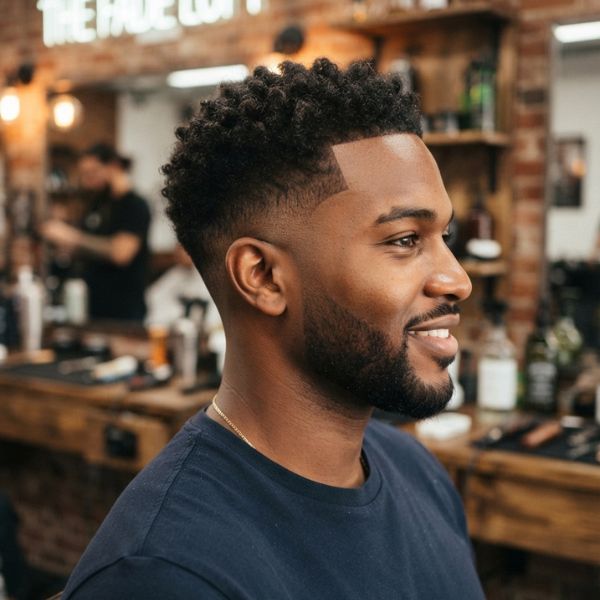
Black hair textures, typically classified from 3B to 4C on the curl pattern chart, tend to shrink, coil tightly, and grow upward rather than falling flat. A low taper fade complements this natural behavior instead of fighting it.
Here is why barbers recommend it so often for Black clients:
- It frames the hairline without exposing scalp, which is helpful for men managing early hair thinning or a naturally high hairline.
- It keeps more length for styling, so waves, twists, and curls have enough hair to actually pattern and hold shape.
- It grows out cleanly, meaning the two to three week gap between barber visits does not leave you with an awkward, patchy look.
- It suits every setting, from corporate offices to creative industries, because the contrast is subtle rather than aggressive.
- It works on thick and dense hair, reducing bulk at the sides while leaving the crown full and shapely.
Top Variations of Low Taper Fade Black Male Hairstyles
The low taper fade is really a foundation, not a fixed style. What you put on top is where the real personalization happens. Below are the most popular variations barbers are cutting in 2026.
Read More : Burst Fade Design: Best Hair Design Ideas, Placement, and Barber Tips (2026)
Short & Buzz-Cut Low Taper Fades
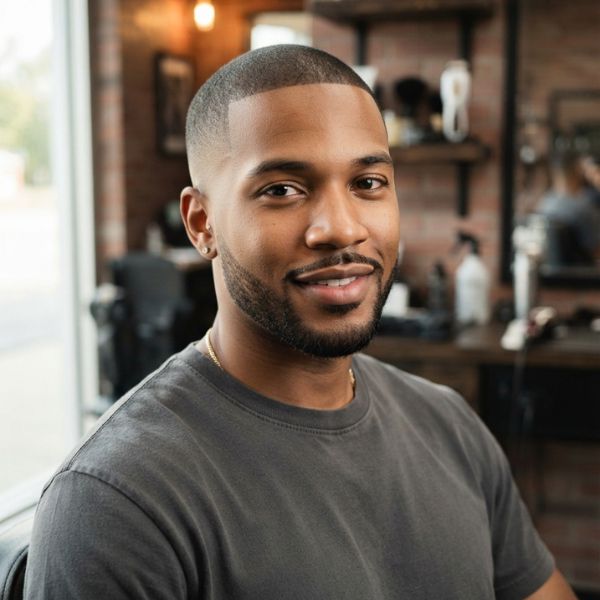
A short buzz on top paired with a low taper is the lowest maintenance version of this cut. The Low taper fade black top usually sits between a half inch and one inch, enough to show natural curl definition without needing daily styling. This is a strong option for men who want a clean, professional look with almost zero morning routine, and it is especially forgiving for thinner hair densities.
Waves, 360 Waves & Coils

Waves are one of the biggest reasons Black men choose a low taper fade. Keeping one to one and a half inches on top gives a durag or wave brush enough length to train a visible 360 degree pattern. A light, non-greasy cream or wave pomade works better here than heavy gel, since gel can flake and dull the shine that makes waves pop. Brushing in consistent directions two to three times a day, then wrapping at night, is what actually builds the pattern over time.
Afro Tops & Shaped Afros
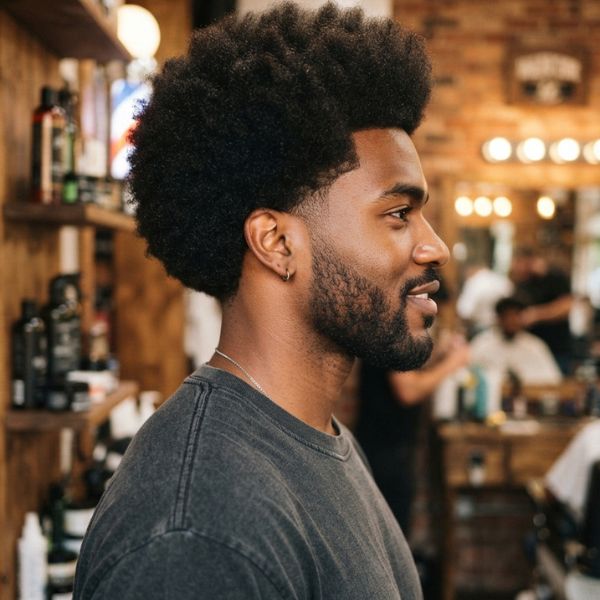
The classic short afro with a Low taper fade black is arguably the most iconic Black male haircut. Anywhere from one to five inches of natural texture on top, rounded into an even silhouette, sits above tapered sides for a striking contrast between fullness and clean edges. An afro pick helps shape the crown, and a light leave-in cream or argan oil keeps the ends from drying out and looking dull.
Long Hair, Braids, Locs & Dreads

For men growing out locs, dreadlocks, or braids, a low taper keeps the sides from overwhelming the length on top. The contrast between tapered edges and flowing locs or braided styles is one of the most requested combinations in barbershops today. You can style the top in a ponytail, bun, or free-hanging locs while the sides stay tight and defined, giving you the best of both a grown-out look and a barbered finish.
Sponge Twists & Hybrid Textures

Sponge twists have become a popular shortcut for men who want a defined curl pattern without the time investment of traditional twisting. Paired with a low taper, sponge twists create tight, uniform curls on top that read as polished and intentional. This hybrid approach works especially well for men transitioning between a fresh cut and letting their hair grow into locs or twists.
Beards, Line-Ups & Designs

A sharp beard line-up connects naturally to a low taper fade, creating one continuous, groomed silhouette from the hairline down to the jaw. Many men also add a simple part line, a small design near the temple, or a subtle hard part to sharpen the overall look. Keep designs minimal with a low taper since the goal of this cut is a refined, understated finish rather than a high-contrast statement piece.
Read More : Low Fade Mullet Guide: Styles, Mid and High Options
Mohawk, FRO hawk & Mid Low Taper
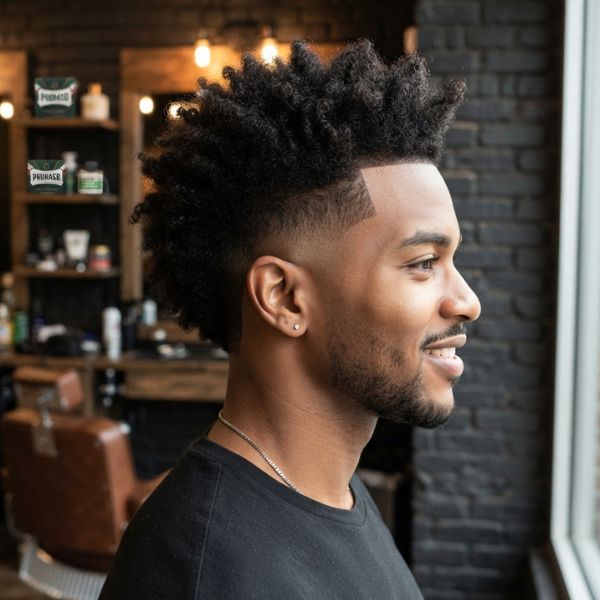
For men who want more edge, a mohawk or FRO hawk built on top of a Low taper fade black keeps a strip of volume down the center while the sides stay tapered rather than fully shaved. A mid low taper is a middle ground option, starting the blend slightly higher than a traditional low taper for a bit more contrast without jumping all the way to a mid fade. Both options give you room to experiment without committing to a dramatic change.
Best Low Taper Fade Black Male for Different Face Shapes

The right variation depends heavily on your face shape. Use this as a starting point, then let your barber fine tune it in the chair.
- Round face: Ask for extra height on top, such as a shaped afro or a taller buzz, to visually elongate the face.
- Square face: Softer, rounded edges around the temples help balance strong jawlines instead of adding to the angles.
- Oval face: Almost every low taper variation works well here, so this is the easiest face shape to experiment with.
- Heart-shaped face: Keep more volume on top to balance a narrower chin, and avoid tapering too aggressively at the temples.
- Diamond face: A low taper with moderate top length softens sharp cheekbones without hiding them completely.
- Rectangular face: Keep the top shorter and add width with waves or a rounded afro shape rather than extra height.
How to Ask for Low Taper Fade Black Male at the Barber
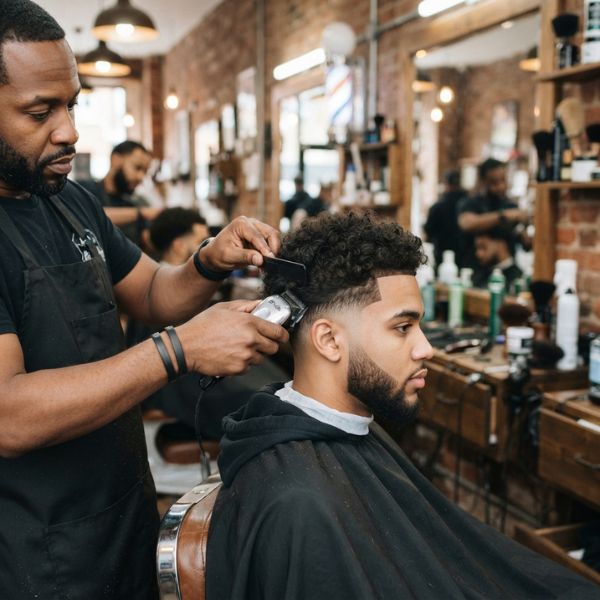
Miscommunication at the barbershop usually happens because the request is too vague. Use this script to get exactly what you want.
- Say clearly: “I want a low taper fade, not a skin fade, starting about one to two inches above my ear.”
- Specify your top length in inches, or point to a reference photo on your phone.
- Mention your texture goal, such as “keep enough length to show my waves” or “shape it into a rounded afro.”
- Ask for a soft blend at the temple and nape rather than a hard line, unless you specifically want contrast there.
- Confirm whether you want a beard line-up or connected sideburns included in the same visit.
- Bring one or two clear reference images, since barbers interpret terms like “low” and “taper” slightly differently.
Bringing photos matters more than most men realize. A term like “low taper” can mean something different depending on the barber’s training and region, so a visual reference removes almost all the guesswork.
How to Maintain Low Taper Fade Black Male Cuts

A fresh cut only stays fresh with the right routine. Since the Low taper fade black sits close to the hairline, even small regrowth becomes noticeable quickly.
- Schedule trims every two to three weeks to keep the taper line crisp and prevent uneven growth around the edges.
- Wash and condition regularly, using a moisturizing shampoo since Black hair textures tend to run dry.
- Use lightweight products on top, such as curl creams or light pomades, and avoid heavy gels that cause buildup and flaking.
- Moisturize daily with a leave-in conditioner or natural oil like argan or jojoba to keep curls, coils, and waves defined.
- Sleep with a satin or silk bonnet or pillowcase to protect texture and prevent the sides from frizzing overnight.
- Touch up the neckline and sideburns at home between barber visits using clippers or a trimmer if you notice fast regrowth.
Common Mistakes & How to Avoid Them

Even a great haircut can look off if a few small details are missed. Watch for these common issues.
- Choosing an inexperienced barber. Always check a barber’s portfolio specifically for work on Black hair textures before booking.
- Overusing heavy products. Thick gels and waxes clog pores and cause product buildup, which dulls both waves and curls over time.
- Waiting too long between trims. Letting the taper grow out past three or four weeks makes the next cut harder to blend cleanly.
- Skipping moisture. Dry hair breaks more easily and makes curls and coils look frizzy instead of defined.
- Picking the wrong top length for your face shape. A style that looks great on someone else may not balance your specific proportions.
- Not communicating clearly. Vague requests like “just clean it up” often lead to a cut that misses the mark entirely.
Low Taper Fade Black Male: Frequently Asked Questions
Is a low taper fade good for Black hair?
Yes. It complements natural curl patterns, protects volume on top, and requires less upkeep than higher contrast fades.
How often should I get a low taper fade touched up?
Most men schedule a trim every two to three weeks to keep the blend sharp and prevent uneven regrowth.
Can a low taper fade work with 360 waves?
Yes. Keeping one to one and a half inches on top gives a durag or brush enough length to build a defined wave pattern.
What is the difference between a low taper and a low fade?
A low taper keeps the transition soft with minimal skin exposure, while a low fade creates a slightly sharper, more defined line near the ear.
Does a low taper fade suit every face shape?
Yes, with small adjustments to top length and edge softness, a low taper can be tailored to flatter round, square, oval, and heart-shaped faces.
Can I pair a low taper fade with locs or braids?
Yes. The tapered sides keep the cut looking groomed while the length on top stays free for locs, braids, or twists.
Read More : Burst Fade Design: Best Hair Design Ideas, Placement, and Barber Tips (2026)
Conclusion
The low taper fade remains one of the most versatile and dependable haircuts for Black men in 2026 because it adapts to almost any texture, face shape, and lifestyle without demanding constant upkeep. Whether you are showing off 360 waves, a shaped afro, sponge twists, or a full head of locs, the tapered sides give you a clean, professional frame while the top stays free to express your personal style. Bring a clear reference photo to your next appointment, communicate your top length and texture goals, and stick to a simple maintenance routine between visits. Get those pieces right, and the low taper fade will keep delivering a sharp, low-maintenance look cut after cut.

Zaria Rhodes is the lead editor and content curator at Lyrinexa, passionate about music, storytelling, and lyrical expression. With a deep love for discovering the meaning behind songs, she brings clarity, creativity, and accuracy to every post. Zaria is dedicated to providing readers with authentic lyrics, thoughtful interpretations, and a seamless music-exploration experience.
