


A low fade crew cut is one of the easiest ways to look sharp without spending extra time in front of the mirror every morning. It keeps the top short and full of shape while the sides taper down slowly near the ear, so there is no harsh line to grow out awkwardly. Men choose this cut because it works in almost any setting, from a client meeting to a weekend hike, and it holds its shape for weeks between visits.
It also suits every hair texture, from pin straight to tightly curled, which is rare for a single haircut style. This guide breaks down what the cut actually is, who it flatters, twelve ways to wear it, the exact words to use in the chair, and how to style it at home in under five minutes.
What Is a Low Fade Crew Cut
A crew cut is a short, tidy haircut where the top is left just long enough to hold shape, usually between half an inch and one and a half inches, while the sides are clipped close. Add a low fade, and the sides begin their gradual taper roughly an inch above the ear rather than at the temple or crown. That single detail changes everything about how the haircut reads.
Because the blend sits so close to the ear and neckline, there is barely any visible skin. Compared with a high fade or mid fade, a low fade keeps far more hair on the sides, which is why barbers often describe it as the most conservative fade height. The top still gets the attention (texture, a slight quiff, or a flat crop) but the sides never compete with it for attention. That balance is what makes the low fade crew cut read as tailored rather than trend chasing, and it is also why it grows out cleanly instead of leaving an obvious ring around the head.
Who It Suits
This cut fits a wide range of men because it does not depend on a bold silhouette to look finished.
- Professionals who need a haircut that looks sharp in a boardroom and does not draw attention for the wrong reasons.
- Students and first job applicants who want something neat but not overly formal.
- Anyone transitioning out of a buzz cut who wants a bit more length on top without committing to a bold high fade.
- Men who prefer a quieter, more classic profile over heavy contrast on the sides.
- Guys with thinning temples, since the low blend keeps more coverage near the hairline than a high fade would.
Face Shapes and Hair Types
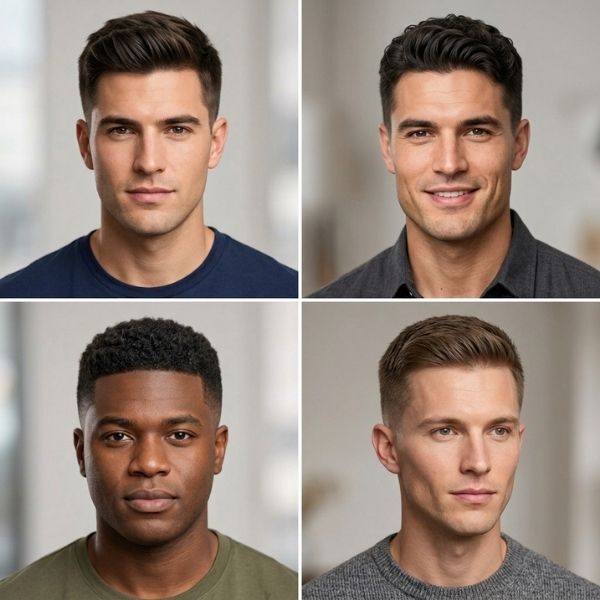
The low fade crew cut adapts to most face shapes, but small changes to the top length and blend height make the final result noticeably more balanced.
| Face Shape | What Works Best |
|---|---|
| Oval | Nearly any top length works, so classic or textured styles both look natural. |
| Square | A slightly softer blend at the temple eases the strong jawline without hiding it. |
| Round | A touch more height on top adds length and keeps the face from looking wider. |
| Oblong | A shorter top with a calm, low blend keeps proportions even and avoids extra height. |
| Heart | A fuller top with a light fringe balances a narrower chin. |
Hair type matters just as much as face shape when choosing the finish.
- Straight hair needs light texture on top, otherwise the crew cut can sit flat and lose its shape by midday.
- Wavy hair benefits from the low fade because it removes bulk on the sides and keeps the waves from puffing outward.
- Curly hair looks best when the crown is kept flatter, so the curls sit neatly instead of expanding upward.
Edges and Details
The small finishing choices are what separate a great low fade crew cut from an average one. The neckline can be left natural for a soft, undone look or squared off for a crisper finish that barbers sometimes call a block neck. Sideburns are usually kept intact rather than faded away completely, since a full sideburn balances the low blend and avoids an unfinished look near the ear. The hairline at the front is rarely touched with a razor unless the client specifically wants a line up, which keeps the overall cut looking soft rather than sharp edged. Ask your barber to check the blend with the clippers off and the hair damp, since that is the easiest way to spot any hard lines before they set.
Read more: Straight Hair Mullet Guide 2026: Styles, Fade, and Easy Care
12 Variations Low Fade Crew Cut Hairstyle
Once the fade height is settled, the top length and finishing details are where you can make the cut your own. Below are twelve of the most requested takes on this style.
Classic Low Fade Crew Cut
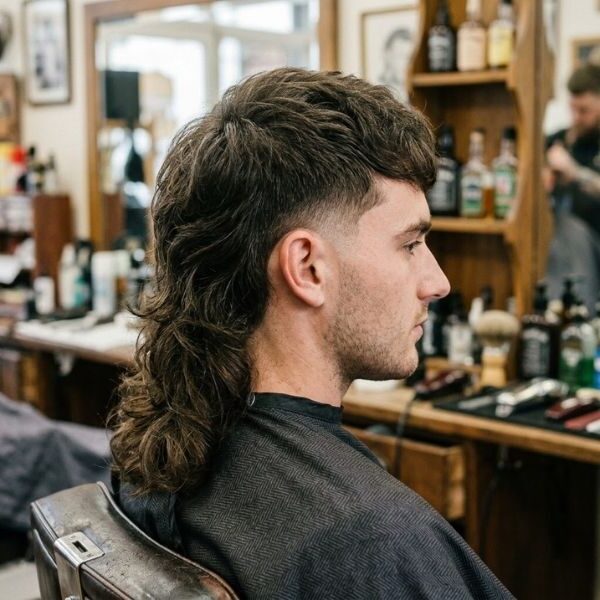
This is the original version: short, tidy top with a true low blend at the temple and nape, no added texture or product needed. It is the safest option for a first-time low fade and the easiest for any barber to replicate consistently.
Textured Low Fade Crew Cut
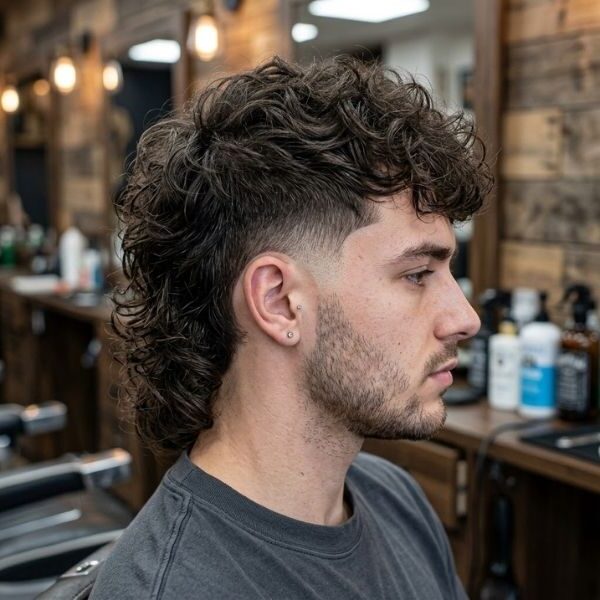
The top is cut with scissors or shears over comb to leave broken, piece-y ends rather than a flat surface. A small amount of matte paste worked through damp hair brings out the texture without adding shine, which suits fine or straight hair especially well.
Messy Low Fade Crew Cut
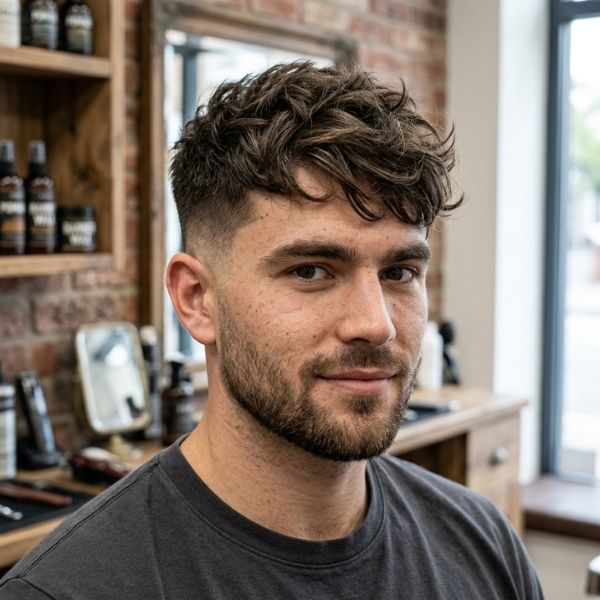
The top is left slightly longer, around one to one and a half inches, and finger-styled rather than combed into place. It still reads as intentional because the outline and the fade stay clean, even though the top looks relaxed and undone.
Skin Low Fade Crew Cut

The blend drops all the way to bare skin at its lowest point, then fades softly upward into the top length. It gives sharper contrast than a soft low fade while still keeping that contrast confined to a small area near the ear and nape.
Drop Low Fade Crew Cut

Instead of running in a straight line, the fade dips slightly behind the ear before curving back up. This keeps the area behind the ear tidier and works particularly well on rounder head shapes, since it avoids extra bulk sitting at the base of the skull.
Buzz Crew Cut Low Fade

The top is clipped very short, close to a number two or three guard, while the sides keep a close low blend. This is the lowest maintenance version of the twelve and a strong choice for sports, hot climates, or jobs that require a helmet or headset.
Low Fade Crew Cut with Beard

Pairing the cut with a well-maintained beard gives a more rugged, grown-up finish. The fade on the sides of the head should be blended into the beard fade at the sideburn so the two areas transition smoothly instead of meeting at an obvious line.
Read more: Messy French Crop Haircuts: Fast Style, Sharp Results
Low Fade Crew Cut with Line Up

A razor is used to sharpen the front hairline and temple, giving the front of the cut a crisper, more defined edge. It pairs especially well with the classic or textured version and adds a slightly more polished, dressed-up feel.
Low Fade Crew Cut with Hard Part

A thin shaved line is cut into the side, separating the top from the fade and creating a fixed part that does not shift throughout the day. It is a popular choice for men who want a defined side part without relying on a comb to hold it in place.
Straight Hair Low Fade Crew Cut
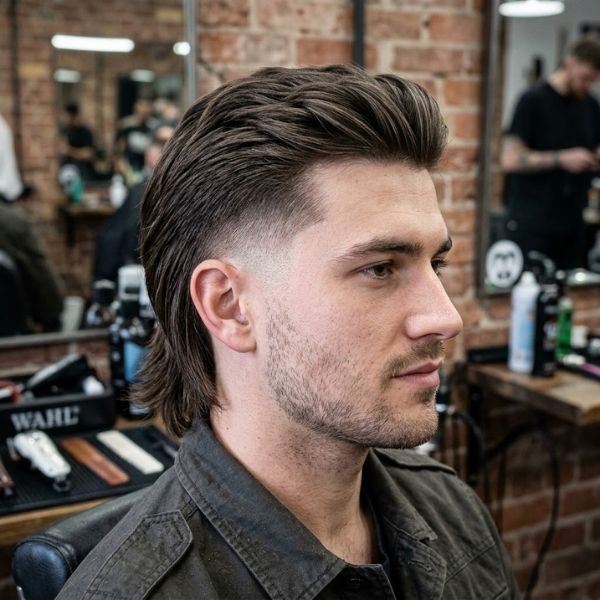
Straight hair needs a touch of texture on top so the cut does not sit flat, so ask your barber to point cut the ends rather than leave a blunt finish. A light, matte product keeps the shape without weighing the hair down.
Wavy Low Fade Crew Cut
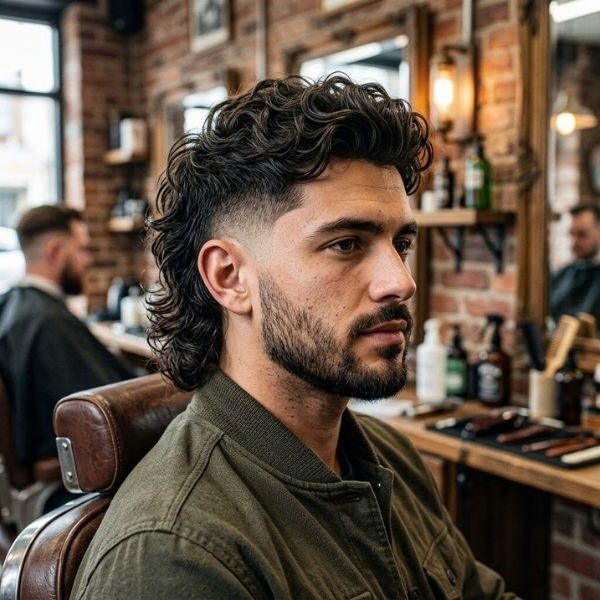
The low blend removes the extra width waves tend to add on the sides, so the top can stay a little longer without the whole look feeling bulky. A sea salt spray helps keep the natural wave pattern visible instead of brushing it flat.
Curly Low Fade Crew Cut
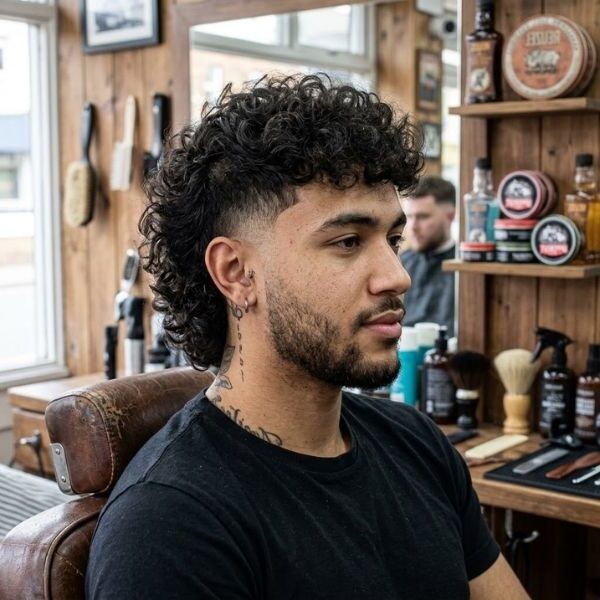
Curls sit best when the crown is kept relatively flat and the length on top is even, since uneven curls tend to look messier once they dry and shrink. A curl defining cream applied to damp hair keeps the pattern controlled through the day.
Barber Script
Walking into a barbershop without the right wording is the most common reason a haircut turns out wrong. Use this exact phrasing to get a consistent result every visit:
“I would like a low fade crew cut. Keep the top short with light texture, take the sides down to a true low fade at the temple and nape, no higher than an inch above the ear. Keep the crown flat and finish the neckline natural, or square it off if that looks cleaner. No fade above the temple, please.”
If you want one of the twelve variations above, simply add it to the end of that script, for example “and add a line up at the front” or “blend the sides into my beard.”
Quick Styling Steps
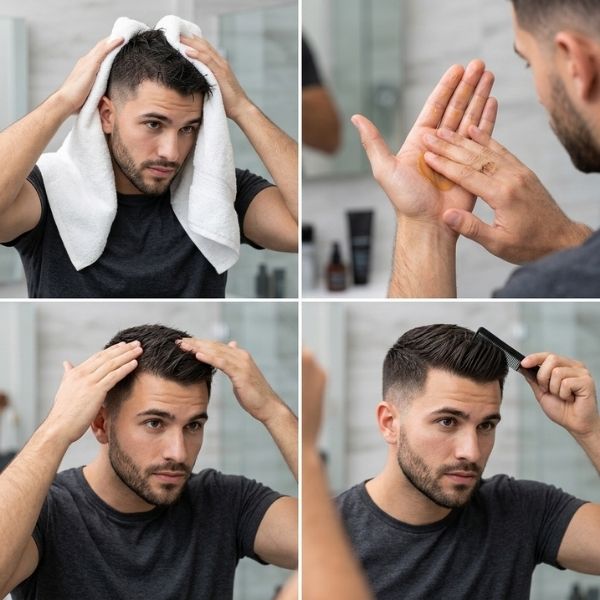
Daily styling takes only a few minutes once the cut is fresh.
- Towel dry the hair until it is damp, not soaking wet.
- Apply a small, coin sized amount of matte paste, clay, or cream depending on your hair type.
- Work the product through the roots first, then the ends, using your fingers rather than a comb for a natural finish.
- Push the top slightly forward or to the side to set the shape.
- Let it air dry or give it a quick blast with a hairdryer on a cool setting to lock the style in place.
Photos and Description
Reference photos are the fastest way to avoid miscommunication with a new barber. Save two or three images that show the cut from the front, the side, and the back so your barber can see exactly how low the blend should sit and how much length you want left on top. Point out the neckline finish and sideburn length specifically, since those details rarely show up clearly in a single photo. Bringing a picture alongside the barber script above gives the most reliable result, especially at a new shop.
Read more: Short Wolf Men 2026: Best Styles for Every Hair Type
Conclusion
The low fade crew cut earns its popularity because it does not force a trade-off between low maintenance and a polished look. The top stays short enough to manage in minutes, the sides stay tidy without needing weekly touch-ups, and the subtle blend means it grows out gracefully instead of leaving an obvious line. Whether you choose the classic version, add texture, pair it with a beard, or go with a line up, the same low, close-to-the-ear fade ties every variation together. Bring the barber script and a couple of reference photos to your next appointment, and you will walk out with a cut that works just as well at the office as it does on a Saturday morning.
FAQs
Where does a low fade start exactly?
A low fade begins roughly an inch above the ear and blends down into the neckline, which is lower than both a mid fade and a high fade.
Is a low fade crew cut good for work?
Yes, it is one of the most office-friendly fades because the blend is subtle and does not draw attention the way a high contrast fade does.
How often do I need a trim?
Most men return every three to five weeks, since the low blend grows out more gracefully than higher fades and does not need constant upkeep.
Does a low fade crew cut work with curly hair?
Yes, keeping the crown flatter and the top length even helps curls sit neatly instead of expanding outward as they dry.
Can I add a beard to this haircut?
Yes, a low fade pairs well with a beard as long as the barber blends the side fade into the beard fade at the sideburn for a smooth transition.
What is the difference between a low fade and a skin fade crew cut?
A skin fade drops all the way to bare skin at its lowest point before fading upward, while a soft low fade keeps some length throughout and never fully exposes the scalp.

Zaria Rhodes is the lead editor and content curator at Lyrinexa, passionate about music, storytelling, and lyrical expression. With a deep love for discovering the meaning behind songs, she brings clarity, creativity, and accuracy to every post. Zaria is dedicated to providing readers with authentic lyrics, thoughtful interpretations, and a seamless music-exploration experience.

1 thought on “Low Fade Crew Cut Hairstyles: Clean, Modern, Easy”